 0
0
 0
0
Read Time:5 Minute, 27 Second
CANBERRA, Australia — Australia is bracing for unprecedented wildlife loss and potential species extinctions as global predictive modelling warns of “large mortalities” across native fauna following the rapid arrival and spread of Highly Pathogenic Avian Influenza (HPAI) H5N1 clade 2.3.4.4b.
Long considered the world’s last major sanctuary free from this hyper-virulent strain, the Australian continent was breached in June 2026 when the virus was detected in migratory seabirds off Western Australia. By early August 2026, confirmed and presumed cases surged past 220 across five states—reflecting a staggering 290% increase in just nine days. Federal biosecurity authorities have classified nearly 400 native bird and mammal species as being at “high risk” or worse.
While public health risk remains exceptionally low, the ecological crosshairs are squarely locked on Australia’s irreplaceable biodiversity.
Escalating Outbreak Across Five States
What began as isolated cases in wild pelagic birds has rapidly transformed into a multi-state wildlife emergency. As of August 9, 2026, the federal Department of Agriculture, Fisheries and Forestry (DAFF) confirmed 220 cases distributed across South Australia, Victoria, Western Australia, New South Wales, and Queensland.
REGIONAL H5N1 CASE DISTRIBUTION (As of August 9, 2026)
-------------------------------------------------------
South Australia    : 152 cases (Epicenter)
Victoria           :  53 cases
Western Australia  :  10 cases
New South Wales    :   4 cases
Queensland         :   1 case
Total Detections   : 220 cases
The epicenter of the outbreak lies in South Australia, where 28 new seabird detections were confirmed over a single weekend. Victoria follows closely with 53 confirmed cases, concentrated heavily along its western border.
“The velocity of transmission among wild populations reflects what we observed in North America and Europe, but Australia’s distinct ecosystem dynamic creates unique challenges,” explained Dr. Beth Cookson, Australia’s Chief Veterinary Officer.
Continent-Wide Spread Predicted Within 12 Months
Comprehensive ecological modelling led by researcher Dr. Sara Ryding has evaluated global H5N1 reports submitted to the World Organisation for Animal Health (WOAH) to forecast how the virus will move across Australian ecosystems.
The risk hierarchy established by the model highlights several iconic avian families facing acute threat:
-
Highest Risk: Gannets and boobies (Sulidae)
-
High Risk: Cranes (Gruidae), Darters (Anhingidae), Ducks, Geese, and Swans (Anatidae)
-
Elevated Vulnerability: Terns and Gulls (Laridae), Pelicans, Falcons, and Ravens
“I would expect Australia is going to experience large mortalities, like those we have been through overseas, and it’s going to put some species at risk,” stated Dr. James Pearce-Higgins, a global avian epidemiologist who contributed to the comparative analysis.
Professor John Woinarski of Charles Darwin University warned that because almost half of Australia’s bird species exist nowhere else on Earth, the ecological implications of continent-wide transmission within 12 months could be catastrophic, potentially driving vulnerable endemics toward extinction.
H5N1 AVIAN SUSCEPTIBILITY TIER
+-------------------------------------------------------------------+
| TIER 1: VERY HIGH RISK                                            |
| Gannets, Boobies, Cranes, Darters, Swans, Ducks, Terns, Gulls      |
+-------------------------------------------------------------------+
| TIER 2: ELEVATED SUSCEPTIBILITY                                   |
| Pelicans, Cormorants, Falcons, Kestrels, Ravens, Crows             |
+-------------------------------------------------------------------+
| TIER 3: RESIDENT MARINE MAMMALS                                   |
| Australian Sea Lions, Australian Fur Seals, NZ Fur Seals          |
+-------------------------------------------------------------------+
First Mass Mortality Event and Marine Mammal Threats
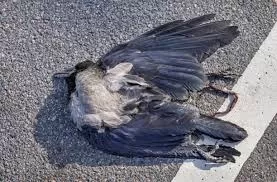
Australia recorded its first official mass mortality event in early August near Cape Jaffa, South Australia—roughly 250 kilometers southeast of Adelaide. Laboratory analysis confirmed H5N1 in a colony where 49 greater crested terns died and 35 were found severely debilitated.
Federal Agriculture Minister Julie Collins addressed the press in Canberra regarding the trajectory of the virus:
“The reality is you can’t stop native and wild birds flying around, and you can’t stop wild animals moving around, and that will mean more mass mortality events like the one we have now seen.”
Beyond avian species, marine mammals face extreme peril. Government analyses classify Australia’s three resident pinniped species—the New Zealand fur seal, the Australian fur seal, and the already endangered Australian sea lion—at “Very High” risk.
This classification reflects past devastation in South America, where H5N1 killed over 30,000 South American sea lions and southern elephant seals in 2023. Environmental authorities are deploying carcass removal protocols near breeding colonies to mitigate mammalian exposure from scavenging dead seabirds.
                      GLOBAL H5N1 DISPERSAL TIMELINE

  2021           2022               2023              JUNE 2026
+-------+      +-------+          +-------+          +---------+
| Europe| ---> | North &  | ---> | Antarctic | ---> | Australia |
| Surge |      | S. America|      | Islands   |      | Incursion |
+-------+      +-------+          +-------+          +---------+
Human Health Risks and Agricultural Containment
Despite the wildlife emergency, health authorities emphasize that the immediate threat to human health remains minimal. The Australian Centre for Disease Control confirmed that no human cases of H5N1 clade 2.3.4.4b have been reported in Australia.
Influenza viruses of this clade do not easily bind to human upper respiratory receptors. Historically, worldwide human infections have been exceedingly rare and primarily tied to prolonged, unprotected contact with sick or dead poultry or wildlife.
       HUMAN HEALTH VS. WILDLIFE IMPACT ANALYSIS
+--------------------------+----------------------------------+
| AGENT MATRIX             | CURRENT OBSERVATION IN AUSTRALIA |
+--------------------------+----------------------------------+
| Human Transmission Risk  | LOW (No human cases recorded)    |
| Commercial Poultry Risk  | CONTROLLED (Indoor order active) |
| Native Wildlife Impact   | HIGH (Mass mortality confirmed)  |
| Ecosystem Resiliency     | CRITICAL / AT-RISK               |
+--------------------------+----------------------------------+
Additionally, DAFF reported that Australia’s commercial poultry and agricultural production systems remain entirely free of H5N1. To safeguard the industry, the Victorian state government implemented a proactive indoor housing mandate for commercial poultry operations, establishing a physical barrier against wild bird interactions.
Public Health Guidance and Biosecurity Measures
Australia’s National Biosecurity Framework was formally activated on July 31, 2026. Wildlife agencies and state authorities are prioritizing active surveillance, rapid genome sequencing, and trial vaccination strategies for critically endangered species housed in sanctuaries.
       WHAT TO DO IF YOU FIND SICK OR DEAD WILDLIFE

   [ DO NOT TOUCH ] ------------> [ CAPTURE DETAILS ]
          |                               |
          v                               v
   Maintain a safe            Note location coordinates
  distance (min 10m)          and take photo if safe
          |                               |
          +---------------+---------------+
                          |
                          v
               [ CALL EAD HOTLINE ]
                  1800 675 888
Actionable Guidance for the Public:
-
Observe, Do Not Touch: Never handle sick, injured, or dead wild birds, seals, or mammals.
-
Report Immediate Detections: Inform authorities of multi-bird deaths or unusual wildlife behavior via the 24-hour Emergency Animal Disease Hotline at 1800 675 888.
-
Pet Safety: Keep domestic dogs on leashes along coastal beaches and near freshwater wetlands to prevent contact with avian carcasses.
-
Biosecurity for Backyard Birds: Flock owners should cover feeding areas, secure water sources from wild birds, and restrict flock movement outdoors.
Medical Disclaimer: This article is for informational purposes only and should not be considered medical advice. Always consult with qualified healthcare professionals before making any health-related decisions or changes to your treatment plan. The information presented here is based on current research and expert opinions, which may evolve as new evidence emerges.
References
-
https://www.theguardian.com/world/2026/aug/09/bird-flu-australia-thousands-of-deaths-expected-global-modelling


Happy
0 %

Sad
0 %

Excited
0 %

Sleepy
0 %

Angry
0 %

Surprise
0 %