 0
0
 0
0
May 13, 2026
Shobha Shukla – CNS (Citizen News Service) KIGALI, RWANDA — For generations, the societal archetype of the “good girl” has been defined by self-sacrifice, placing the needs of family, children, and the elderly above her own. However, experts at the Women Deliver Conference 2026—the world’s largest gathering on gender equality—are issuing a stark warning: this deeply ingrained culture of female self-neglect is fueling one of the top ten global health threats of our time: Antimicrobial Resistance (AMR).
The message from the conference is clear: for women to be effective carers for others, they must first have the agency, safety, and resources to take care of themselves. When gender-based violence, social stigma, and domestic burdens prevent women from accessing timely healthcare, the result is a breeding ground for drug-resistant “superbugs” that threaten the entire global population.
The Invisible Engine of AMR: Gender Inequality
Antimicrobial Resistance occurs when bacteria, viruses, fungi, and parasites change over time and no longer respond to medicines, making infections harder to treat and increasing the risk of disease spread, severe illness, and death. While often discussed in technical or veterinary terms, the human face of AMR is inextricably linked to gender.
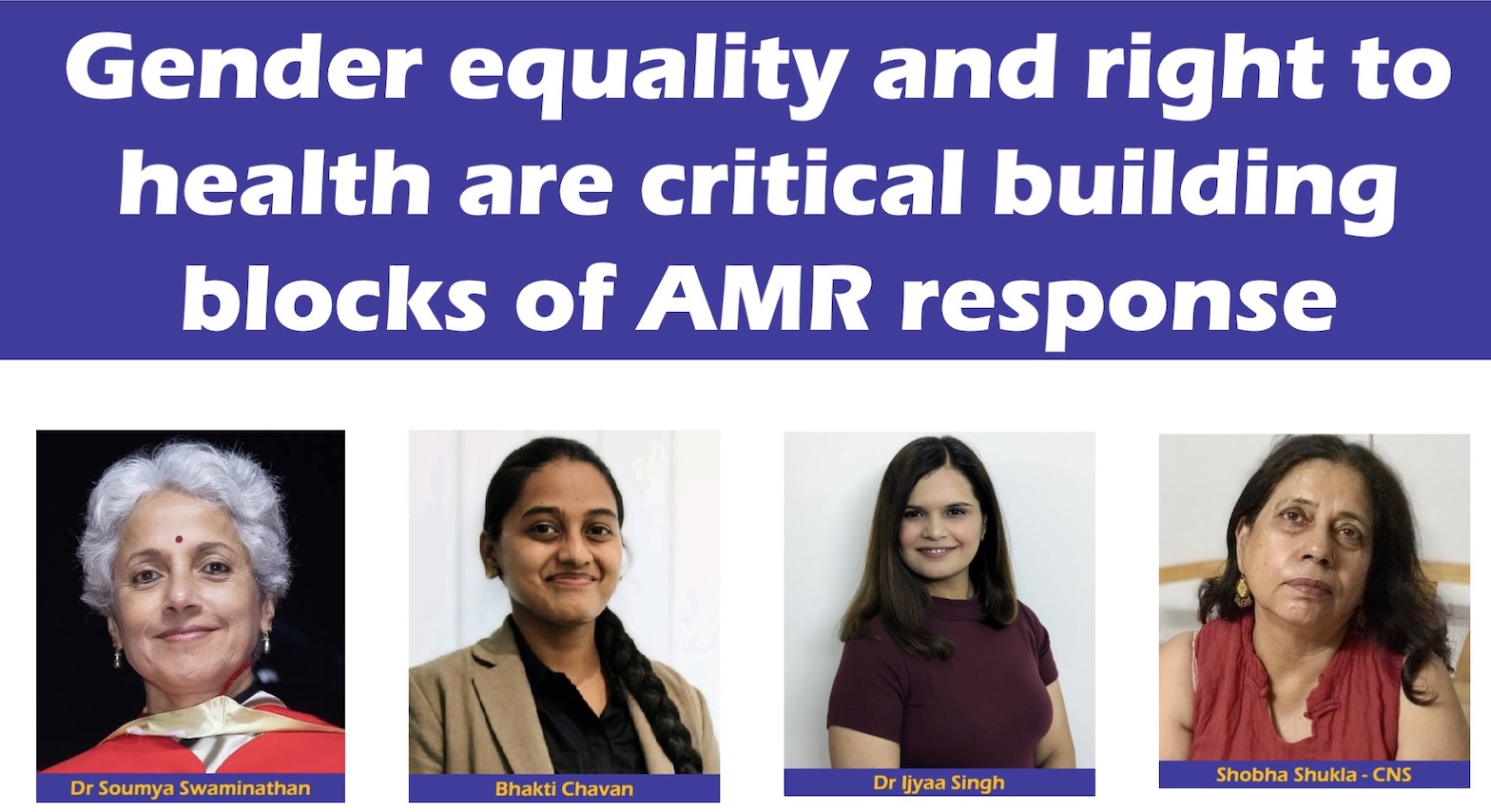
“Drug resistance is caused by misuse and overuse of medicines in human health, livestock, and agriculture,” explained Dr. Ijyaa Singh of ReAct Asia Pacific during a plenary session. “However, AMR is not gender-neutral. Women and girls are the primary carers in most settings, especially in the Global South. Yet, the infection prevention measures in homes and clinics are far from optimal to protect them.”
Statistics presented at the conference highlight a troubling disparity:
-
Immunization Gaps: Studies on child vaccination ratios frequently show that male children are more likely to receive essential immunizations than female children.
-
Diagnostic Delays: Women are significantly less likely to seek formal screening for infections due to a complex mix of economic dependency and cultural expectations.
Violence as a Vector for Infection
One of the most compelling arguments raised at the conference was the direct link between gender-based violence (GBV) and the rise of drug resistance. Dr. Soumya Swaminathan, former Chief Scientist of the World Health Organization (WHO), emphasized that the global community cannot successfully combat AMR without addressing the epidemic of violence against women.
“Women are at a very high risk of intimate partner violence, which leads to more infections—sexually transmitted infections (STIs), urinary tract infections, and pelvic inflammatory diseases,” Dr. Swaminathan stated.
The danger lies not just in the initial infection, but in the aftermath. Due to their position within the household, many women lack the autonomy to seek timely care. When they do access medicine, it is often through informal channels or interrupted by domestic instability.
“She may take a partial course of antibiotics or the wrong doses,” Dr. Swaminathan noted. “Whether it is an unplanned pregnancy or an unsafe abortion, these scenarios are hotspots for antibiotic misuse and the subsequent development of resistance.”
The Weight of Stigma: TB and HIV
For many women, the barrier to health is not just physical or financial, but social. Bhakti Chavan, a survivor of extensively drug-resistant tuberculosis (XDR-TB) and a member of the WHO Task Force of AMR Survivors, shared the harrowing reality of “intersectional stigma.”
“In many communities, a woman diagnosed with TB or HIV is judged as someone who has brought shame to the family,” Chavan said. “I have seen many women hide their illness. They delay testing, take medicine secretly, or stop treatment early to prevent neighbors from finding out.”
This interrupted treatment is a primary driver of XDR-TB, a form of the disease that is far more difficult and expensive to treat, with a significantly higher mortality rate. When a woman chooses “discretion” to save her family’s reputation, the biological consequence is often a more resilient, deadlier pathogen.
The “Feminization” of Risk in Agriculture
The intersectional nature of AMR is perhaps most visible in the “feminization of agriculture.” As men migrate to cities for work, women are left to manage small-scale farms and livestock.
Dr. Swaminathan cited the example of rural women who manage livestock while also caring for their families. These women have the highest exposure to zoonotic pathogens (diseases jumping from animals to humans) but the least financial autonomy to visit a clinic. In these settings, the “easy fix” is often the over-the-counter purchase of unregulated antibiotics for both their animals and themselves, further accelerating the AMR cycle.
A Call for a Feminist AMR Response
The experts concluded that traditional, “gender-blind” health policies are failing. A sustainable response to AMR must be rooted in a feminist development justice model—one that prioritizes the rights and safety of the woman as an individual, not just as a vessel for caregiving.
Proposed shifts in global policy include:
-
Integrating GBV Indicators: National Action Plans for AMR must include data on gender-based violence.
-
Gender-Sensitive Stewardship: Healthcare providers must be trained to recognize the social barriers that prevent women from completing antibiotic courses.
-
Community Support: Reducing the “care burden” so women have the time and permission to prioritize their own diagnostics and treatment.
As the conference drew to a close, the consensus was clear: the world cannot afford the “Good Girl Syndrome.” When women are empowered to take care of themselves first, they aren’t just improving their own lives—they are strengthening the global shield against the rising tide of drug-resistant disease.
Medical Disclaimer: This article is for informational purposes only and should not be considered medical advice. Always consult with qualified healthcare professionals before making any health-related decisions or changes to your treatment plan. The information presented here is based on current research and expert opinions, which may evolve as new evidence emerges.