 0
0
 0
0
Published: May 2, 2026
WASHINGTON — In a milestone for precision oncology, the U.S. Food and Drug Administration (FDA) yesterday approved Veppanu (vepdegestrant), the first-ever treatment powered by PROTAC technology. Developed jointly by Pfizer and Arvinas, the oral therapy is now authorized for adults with estrogen receptor-positive (ER+), HER2-negative advanced or metastatic breast cancer that carries the ESR1 mutation. This approval, arriving more than a month ahead of its scheduled June 5 goal date, offers a powerful new tool for patients whose cancer has developed resistance to standard hormone therapies.
A “Molecular Hitman” for Cancer Proteins
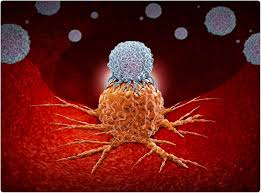
The approval of Veppanu represents more than just a new drug; it introduces an entirely new class of medicine called PROteolysis TArgeting Chimeras (PROTACs). Unlike traditional treatments that merely block a protein’s function, Veppanu acts as a “molecular hitman.”
“Think of the estrogen receptor as a lock that drives cancer growth,” explains Dr. Erika Hamilton, a breast cancer specialist at Sarah Cannon Research Institute. “While older drugs try to jam the lock, a PROTAC like Veppanu actually dismantles and removes the lock from the cell entirely.”
Specifically, Veppanu is a heterobifunctional molecule. It works by grabbing onto the estrogen receptor with one arm and a cellular “recycling” enzyme (E3 ubiquitin ligase) with the other. This forces the cell’s own waste-disposal system, the proteasome, to identify the cancer-driving protein as trash and destroy it.
Clinical Findings: Breaking the Resistance
The FDA’s decision was heavily influenced by data from the Phase 3 VERITAC-2 trial, which involved 624 patients. The results, published in the New England Journal of Medicine following a presentation at the 2025 American Society of Clinical Oncology (ASCO) meeting, were particularly striking for those with the ESR1 mutation.
In the ESR1-mutant subgroup:
-
Progression-Free Survival (PFS): Veppanu extended median PFS to 5.0 months, compared to 2.1 months for those receiving the standard injectable therapy, fulvestrant.
-
Risk Reduction: The drug reduced the risk of disease progression or death by 43% ($HR = 0.57$).
-
Response Rate: The objective response rate (shrinking of tumors) was 19% for Veppanu versus just 4% for the comparator.
“Today’s approval provides a new oral treatment option that showed improved progression-free survival when compared to the current standard of care,” said Noah Berkowitz, M.D., Ph.D., Chief Medical Officer at Arvinas.
Understanding the Burden: Why ESR1 Matters
ER+/HER2- breast cancer is the most common subtype, accounting for approximately 70% of all cases. While initial endocrine therapy combined with CDK4/6 inhibitors is often effective, the cancer eventually finds a way to bypass these treatments.
The ESR1 mutation is a primary culprit. It emerges in 30% to 50% of patients after initial hormone therapy, essentially “switching on” the estrogen receptor so it no longer needs estrogen to fuel tumor growth. For these patients, standard treatments often fail, leaving chemotherapy as one of the few remaining options.
By selectively destroying the mutated receptor, Veppanu addresses a critical gap, potentially delaying the need for more toxic chemotherapy and maintaining a higher quality of life for the estimated 40,000 women in the U.S. who face metastatic breast cancer annually.
Patient Safety and Tolerability
One of the most significant advantages highlighted by oncologists is Veppanu’s oral administration. Unlike fulvestrant, which requires monthly intramuscular injections, Veppanu is a 200 mg pill taken once daily with food.
In clinical trials, the drug was generally well-tolerated. Most side effects were mild (Grade 1 or 2). Common adverse reactions included:
-
Fatigue (26.6%)
-
Nausea (13.5%)
-
Increased liver enzymes (ALT/AST)
-
Decreased white blood cell counts
However, the FDA has included warnings regarding QTc interval prolongation (a heart rhythm change) and embryo-fetal toxicity. Patients are advised to have their heart rhythm monitored and to use effective contraception during treatment.
Public Health and the Path Ahead
For the medical community, the approval of Veppanu necessitates a shift in diagnostic workflows. Because the drug is specifically approved for the ESR1-mutant population, the FDA also approved the Guardant360 CDx as a companion diagnostic. This means patients will need genetic testing—often via a simple blood draw or “liquid biopsy”—to determine if they are candidates for the therapy.
While the “first-in-class” status of PROTACs is celebrated, some experts urge cautious optimism. Dr. Hamilton noted on LinkedIn that while the oral convenience is a “win,” longer-term data on overall survival (OS) is still maturing. Additionally, the VERITAC-2 trial did not show a significant PFS benefit in patients without the ESR1 mutation, meaning its current utility is strictly targeted.
Looking to the Future
The success of Veppanu validates a decade of research into protein degradation. Pfizer and Arvinas are already exploring combination therapies, testing Veppanu alongside CDK4/6 inhibitors and other agents to see if it can be moved into earlier lines of treatment.
For now, the approval stands as a testament to the power of precision medicine—turning a “concept” into a tangible reality for thousands of patients facing resistant breast cancer.
Reference Section
https://www.reuters.com/business/healthcare-pharmaceuticals/us-fda-approves-pfizer-arvinas-breast-cancer-drug-2026-05-01/
Medical Disclaimer: This article is for informational purposes only and should not be considered medical advice. Always consult with qualified healthcare professionals before making any health-related decisions or changes to your treatment plan. The information presented here is based on current research and expert opinions, which may evolve as new evidence emerges.