 0
0
 0
0
Read Time:4 Minute, 54 Second
THIRUVANANTHAPURAM, India — India’s public-sector healthcare manufacturing has reached a significant milestone as HLL Lifecare Limited, a state-owned enterprise under the Ministry of Health and Family Welfare, was recognized among the top global players in the expanding hormonal contraceptive market.
The inclusion, highlighted in a 2026 industry report by Spherical Insights & Consulting, places the Thiruvananthapuram-based manufacturer alongside established multinational pharmaceutical corporations. The market analysis estimates that the global hormonal contraceptive sector, valued at approximately $20.84 billion in 2025, is projected to expand to $33.92 billion by 2035, growing at an annual rate of 4.99%.
The development coincides with HLL’s 60th anniversary and underscores the growing role of affordable, public-sector manufacturing in addressing global reproductive health disparities.
Global Hormonal Contraceptive Market Projection ($ Billions)

  $35B ───                                           $33.92B
  $30B ───                                         /
  $25B ───                              . - - - '
  $20B ─── $20.84B          . - - - '
           (2025)        (2030 est.)                 (2035)
From Domestic Condoms to Global Reproductive Health
Founded in 1966 as Hindustan Latex Limited, the enterprise was established to produce affordable barrier contraceptives for India’s national family planning initiatives. Over six decades, the organization evolved into a diversified healthcare entity, expanding its reach to more than 110 countries.
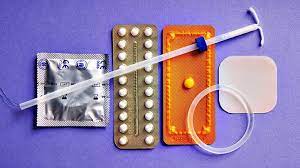
Today, HLL’s reproductive portfolio spans male and female condoms, oral contraceptive pills, emergency contraception, copper intrauterine devices (IUDs), and levonorgestrel-releasing intrauterine systems (LNG-IUS). Among its key offerings is Emily, a hormonal intrauterine system used both for long-acting reversible contraception and the clinical management of heavy menstrual bleeding.
“Public-sector producers like HLL play an indispensable role in international supply chains,” said Dr. Anita Vance, a global health supply chain researcher not involved in the market report. “When public enterprises achieve global scale, it helps stabilize prices, prevent regional drug shortages, and ensure low- and middle-income nations have access to quality-assured reproductive health products.”
The Public Health Imperative: Choice and Accessibility
According to the World Health Organization (WHO), access to voluntary family planning is essential for maternal health, gender equity, and the reduction of unintended pregnancies.
Data from India’s fifth National Family Health Survey (NFHS-5) highlights the impact of expanding contraceptive access:
-
Overall Contraceptive Prevalence Rate (CPR): Rose from 54% in NFHS-4 to 67% in NFHS-5.
-
Modern Method Adoption: Showed consistent gains across urban and rural demographics.
-
Method Choice Gap: Despite gains, access to long-acting reversible contraceptives (LARCs), such as implants and intrauterine systems, remains uneven globally due to cost and training requirements.
While commercial pharmaceutical companies focus on high-margin markets, public-sector manufacturers help close these access gaps by supplying international procurement entities like the United Nations Population Fund (UNFPA) and USAID.
How Hormonal Contraceptives Work
Hormonal contraceptives utilize synthetic versions of female hormones—either progestin alone or in combination with estrogen—to prevent pregnancy.
┌─────────────────────────────────────────────────────────┐
│              Primary Mechanisms of Action               │
├────────────────────────────┬────────────────────────────┤
│ 1. Ovulation Suppression   │ Prevents release of eggs   │
│ 2. Cervical Mucus          │ Thickens barrier to sperm  │
│ 3. Uterine Lining          │ Thins lining to hinder     │
│    Modification            │ implantation               │
└────────────────────────────┴────────────────────────────┘
Beyond pregnancy prevention, these therapies offer non-contraceptive health benefits, including lighter periods, reduced menstrual cramps, and relief from conditions such as endometriosis and polycystic ovary syndrome (PCOS).
Balancing Efficacy with Individual Risk Profiles
Medical guidelines emphasize that no single contraceptive method is universally suitable. Selection requires careful consideration of an individual’s health status.
Medical Eligibility & Safety Considerations
The U.S. Centers for Disease Control and Prevention (CDC) 2024 Medical Eligibility Criteria outlines safety guidelines for contraceptive initiation:
-
Combined Hormonal Methods (Pills, Patches, Rings): Contain estrogen and progestin. They carry a small risk of venous thromboembolism (blood clots), heart attack, and stroke. They are generally contraindicated for individuals over 35 who smoke, or those with hypertension, prior blood clots, or migraine with aura.
-
Progestin-Only Methods (Mini-pills, Implants, Injections, LNG-IUS): Suitable for individuals who cannot tolerate estrogen, including breastfeeding mothers and those with higher cardiovascular risk factors.
+-----------------------------------------------------------------------+
|                       Method Comparison Overview                      |
+----------------------+--------------------+---------------------------+
| Method Category      | User Effort        | Typical Failure Rate (Yr1)|
+----------------------+--------------------+---------------------------+
| Intrauterine System  | Low ("Fit & Forget")| ~0.1%                    |
| Oral Contraceptive   | High (Daily pill)  | ~7% (typical use)        |
| Condoms (Male/Female)| Per-act            | ~13% (typical use)       |
+----------------------+--------------------+---------------------------+
Note: Condoms remain the only contraceptive method that also protects against Sexually Transmitted Infections (STIs).
Common, non-severe side effects of hormonal methods can include spotting between periods, mild nausea, breast tenderness, or temporary mood changes, which often resolve within the first three months of use.
Market Dynamics vs. Clinical Evidence
While inclusion in a commercial market report signals HLL’s industrial presence, health authorities emphasize the distinction between market size and clinical approval.
A market entry listing evaluates production capacity, distribution networks, and commercial potential. For patients and healthcare providers, clinical efficacy, local regulatory approval (such as WHO Prequalification or national FDA approval), and individual health history remain the deciding factors.
“A company’s appearance in a financial forecast is a measure of industrial growth,” explained Dr. Marcus Thorne, an independent clinical epidemiologist. “For patients, the essential questions are whether a product is quality-certified, affordable, accessible, and medically appropriate for their specific physiological profile.”
Implications for Healthcare Global Supply
As the global hormonal contraceptive market heads toward an estimated $33.92 billion by 2035, the entry of public-sector manufacturers into global market recognition reflects a shift in healthcare economics. Diversified manufacturing hubs—particularly in developing regions—can make reproductive healthcare supplies more resilient to supply chain disruptions.
For consumers, the growth of quality-assured, affordable options supports a central public health goal: empowering individuals to make informed choices about their reproductive health in consultation with qualified medical professionals.
Medical Disclaimer: This article is for informational purposes only and should not be considered medical advice. Always consult with qualified healthcare professionals before making any health-related decisions or changes to your treatment plan. The information presented here is based on current research and expert opinions, which may evolve as new evidence emerges.
References


Happy
0 %

Sad
0 %

Excited
0 %

Sleepy
0 %

Angry
0 %

Surprise
0 %