 0
0
 0
0
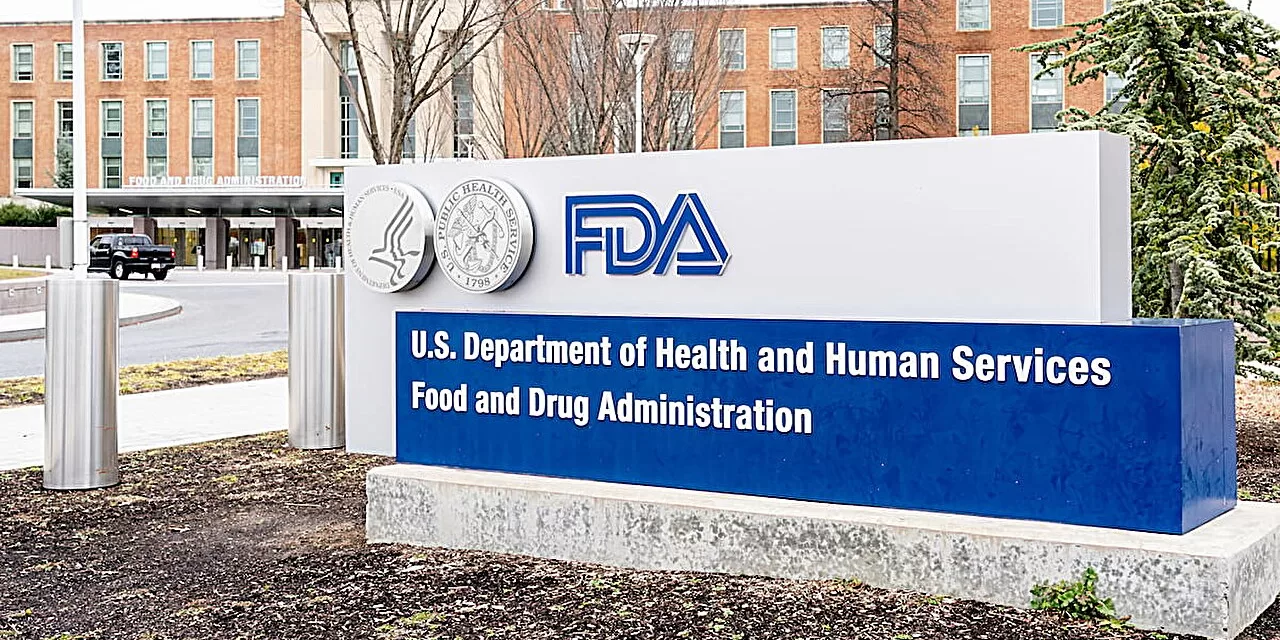
WASHINGTON — The U.S. Food and Drug Administration (FDA) has appointed Dr. Katherine Szarama as the acting director of the Center for Biologics Evaluation and Research (CBER), the pivotal division responsible for the safety and approval of vaccines, gene therapies, and the nation’s blood supply. The appointment, confirmed by a Health and Human Services (HHS) official following initial reports on April 30, 2026, comes at a high-stakes moment for the agency. Dr. Szarama steps into the role following the departure of Dr. Vinay Prasad, whose tenure was marked by internal friction and public debate over the speed of drug approvals and pandemic-era vaccine protocols.
A Data-Driven Leader for a Critical Mission
Dr. Szarama, a PhD biostatistician who has served as CBER’s deputy director since December 2025, assumes leadership effective immediately. Her background is rooted in rigorous data analysis, having transitioned to the FDA in 2024 from the Centers for Medicare & Medicaid Services (CMS).
The leadership shift arrives as the FDA navigates a complex landscape of post-pandemic public health. CBER is currently managing the oversight of next-generation mRNA vaccines, a surge in personalized gene therapy applications, and the continued monitoring of COVID-19 booster efficacy.
“This appointment signals stability and continuity in a unit under pressure,” said Dr. Paul Offit, a renowned vaccine expert at the Children’s Hospital of Philadelphia. “Szarama brings biostatistics expertise and regulatory experience that are absolutely crucial for navigating complex clinical trials and, perhaps more importantly, rebuilding public trust.”
The Scale of Oversight: By the Numbers
To understand the weight of Dr. Szarama’s new role, one must look at the sheer volume of products under CBER’s jurisdiction. The center oversees approximately 40% of all FDA product approvals.
CBER’s 2025 Impact at a Glance:
-
Vaccines: Over 400 annual vaccines for infectious diseases managed.
-
Gene Therapy: Oversight of 1,200 active clinical trials.
-
Safety Monitoring: Tracking adverse events in a market where 12% of accelerated approval drugs reported complications in the last year.
Beyond the laboratory, Dr. Szarama faces a significant sociological hurdle: declining public confidence. According to a 2023 Pew Research Center survey, only 58% of Americans expressed trust in government vaccine safety assurances, a sharp decline from 72% in 2021. Experts believe that Dr. Szarama’s analytical background may be the key to reversing this trend through increased transparency in data reporting.
Public Health Implications and Practical Impact
For the average American, the director of CBER is the “gatekeeper” of the medicine cabinet. The decisions made under Dr. Szarama’s watch will directly influence when and how the public accesses:
-
Updated COVID-19 Boosters: Guiding the schedule for high-risk groups, currently recommended every six months by the CDC.
-
Cancer Innovations: Reviewing emerging mRNA-based therapies designed to treat specific tumors.
-
Rare Disease Treatments: Balancing the “Accelerated Approval” pathway—which brings life-saving drugs to market faster—with the need for long-term safety data.
Dr. Georges C. Benjamin, executive director of the American Public Health Association, noted that Dr. Szarama’s focus on data could have a ripple effect on health equity. “Her analytical rigor may accelerate equitable access, especially in rural areas like Appalachia where childhood immunization rates currently lag 15% behind national averages,” Dr. Benjamin stated.
Challenges and Counterarguments
Despite the optimism surrounding her technical qualifications, some experts caution that an “acting” title carries inherent limitations. Since an interim director lacks a permanent mandate, they may find it difficult to implement the sweeping structural reforms many believe the FDA needs.
“Interim leaders often lack the political capital for major changes; there is always the risk that political appointees will influence priorities during the transition,” warned Dr. Peter Hotez, a vaccine scientist at Baylor College of Medicine. Dr. Hotez has been a vocal critic of the FDA’s communication strategies during the pandemic and suggests that a permanent appointment is necessary to shield the agency from outside pressure.
Furthermore, the “Prasad Legacy” remains a point of contention. While Dr. Prasad was praised by some patient advocacy groups for accelerating access to rare disease treatments, critics argue the pace may have compromised safety. With CBER having cycled through five acting leaders in just two years, the primary concern among staff is “regulatory fatigue” and a lack of long-term strategic vision.
Looking Ahead: The Path to 2027
As Dr. Szarama takes the reins, HHS is reportedly finalizing a shortlist for a permanent successor. Dr. Erica Schwartz has been named as a potential candidate for a formal nomination by late 2026.
In the meantime, the medical community is watching closely to see if Dr. Szarama can bridge the gap between cutting-edge innovation and the cautious, evidence-based oversight the public demands. For consumers, the message remains one of proactive engagement: stay informed on the latest CDC guidelines and maintain an open dialogue with primary care physicians regarding new biologics and vaccine schedules.
Medical Disclaimer: This article is for informational purposes only and should not be considered medical advice. Always consult with qualified healthcare professionals before making any health-related decisions or changes to your treatment plan. The information presented here is based on current research and expert opinions, which may evolve as new evidence emerges.
Reference Section
- https://www.reuters.com/legal/litigation/us-fda-taps-szarama-acting-head-vaccine-unit-politico-reports-2026-05-01/