 0
0
 0
0
DHAKA, Bangladesh — A catastrophic collapse in routine immunization has triggered a massive measles outbreak across Bangladesh, with government and World Health Organization (WHO) data confirming more than 32,000 suspected cases and over 250 deaths since mid-March 2026. The epidemic, which primarily claims the lives of young children, has now infiltrated 58 of the country’s 64 districts. Experts trace the crisis to a perfect storm of political instability and a disastrous shift in vaccine procurement policy that left millions of children vulnerable to one of the world’s most contagious pathogens.
A Shield Shattered: From Success to Systemic Failure
For two decades, Bangladesh was a global poster child for immunization success. By employing a rigorous two-dose Measles-Rubella (MR) schedule (at 9 and 15 months) and nationwide catch-up campaigns every four years, the nation consistently maintained coverage near the 95% threshold required for “herd immunity.”
However, that shield shattered in late 2025. Following the rise of an interim government led by Nobel laureate Muhammad Yunus, the country abandoned its long-standing procurement system facilitated by UNICEF and funded by Gavi, the Vaccine Alliance. In its place, an “open tender” model was introduced to encourage local competition.
The result was a bureaucratic quagmire. Delays in the new bidding process led to nationwide stockouts. According to internal government figures—briefly published and then removed from official websites—MR vaccination coverage plummeted to just 59% in 2025. Furthermore, a critical supplementary campaign planned for 2024 was repeatedly postponed and eventually canceled, leaving a massive “second-dose gap” among the nation’s youth.
The Speed of Contagion
The biological reality of measles leaves no room for administrative error. The virus has a basic reproduction number ($R_0$) of 15 to 18, meaning a single infected individual can spread the disease to nearly 20 unvaccinated people.
The current outbreak began in January 2026 within the highly congested Rohingya refugee camps near the Myanmar border before hitchhiking into the general population. By April, the WHO reported that 79% of infections occurred in children under the age of five.
“The data is heartbreakingly clear,” says Dr. Mohammad Mushtuq Husain, an adviser at the Institute of Epidemiology, Disease Control and Research (IEDCR). “Roughly 72% of the children hospitalized had received no MR doses at all. This isn’t just a medical failure; it’s a structural collapse.”
The pressure on the healthcare system is visible at the Infectious Disease Hospital in Dhaka, where the surge has forced staff to treat feverish, rash-covered children on floor mats due to a total lack of available beds.
Malnutrition: The Deadly Multiplier
The lethality of this outbreak is being amplified by a secondary crisis: malnutrition. Measles is significantly more dangerous for children whose immune systems are already compromised.
-
Stunting and Wasting: Approximately 28% of Bangladeshi children under five are stunted, and 10% suffer from acute wasting.
-
Vitamin A Depletion: Measles rapidly depletes Vitamin A levels in the body, which can lead to blindness and increased mortality. Bangladesh has missed three of its biannual Vitamin A distribution campaigns since 2024, removing a vital layer of protection.
“When you combine a highly infectious virus with a population that has missed its Vitamin A supplements and is facing food insecurity, the death rate climbs exponentially,” explains Be-nazir Ahmed, former director of disease control at the Directorate General of Health Services.
Accountability and the Road to Recovery
The crisis has become a political lightning rod. The newly elected government, led by Prime Minister Tarique Rahman, took office in February 2026 and immediately moved to reinstate the UNICEF-facilitated procurement model. On April 5, an emergency vaccination drive was launched, targeting children aged 6 months to 5 years.
However, the legal fallout is only beginning. On April 12, 2026, a complaint was filed with the Anti-Corruption Commission alleging that the interim government’s shift to open tendering was marred by systemic mismanagement and potential corruption. Rana Flowers, UNICEF’s representative in Bangladesh, noted that the organization had “quietly warned” officials that the policy shift could destabilize the entire immunization infrastructure.
Global Implications and Lessons for Families
The tragedy in Bangladesh serves as a grim warning to neighboring India and Myanmar, as well as Western nations seeing a resurgence of the virus. It demonstrates that “measles-free” status is a temporary privilege, not a permanent achievement.
For parents and healthcare providers, the primary takeaways are urgent:
-
Timing is Vital: The two-dose schedule is not a suggestion; it is a clinical necessity. Missing the second dose leaves a child significantly more vulnerable during an outbreak.
-
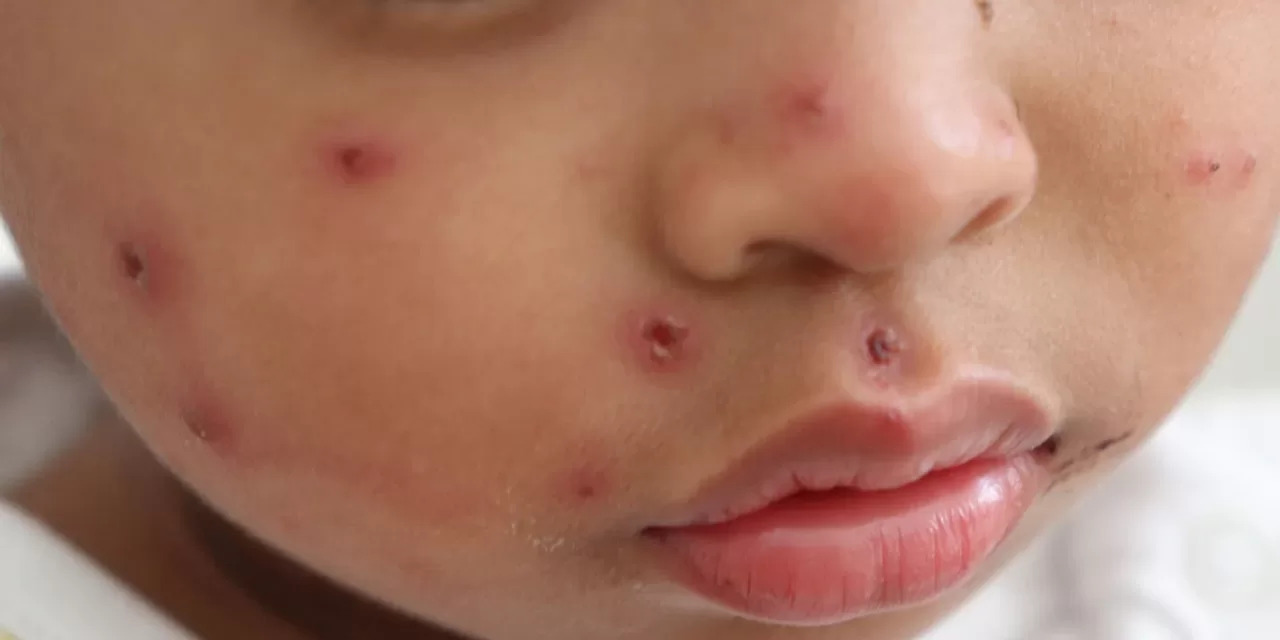
Recognize Symptoms Early: High fever, a signature red-brown rash, cough, and “pink eye” (conjunctivitis) require immediate medical isolation to prevent community spread.
-
Vaccination is a Collective Duty: When coverage drops below 95%, the entire community is at risk, including those too young to be vaccinated or those with underlying health conditions.
As the government of Bangladesh struggles to regain control, the international health community is watching closely. The “human tragedy,” as described by health adviser Sayedur Rahman, serves as a stark reminder that in the world of public health, a delay in paperwork can lead directly to a funeral.
Medical Disclaimer: This article is for informational purposes only and should not be considered medical advice. Always consult with qualified healthcare professionals before making any health-related decisions or changes to your treatment plan. The information presented here is based on current research and expert opinions, which may evolve as new evidence emerges.
Reference Section
- https://www.science.org/content/article/measles-explodes-bangladesh-after-vaccination-breakdown-killing-hundreds-children