 0
0
 0
0
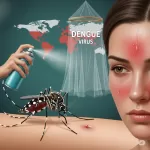
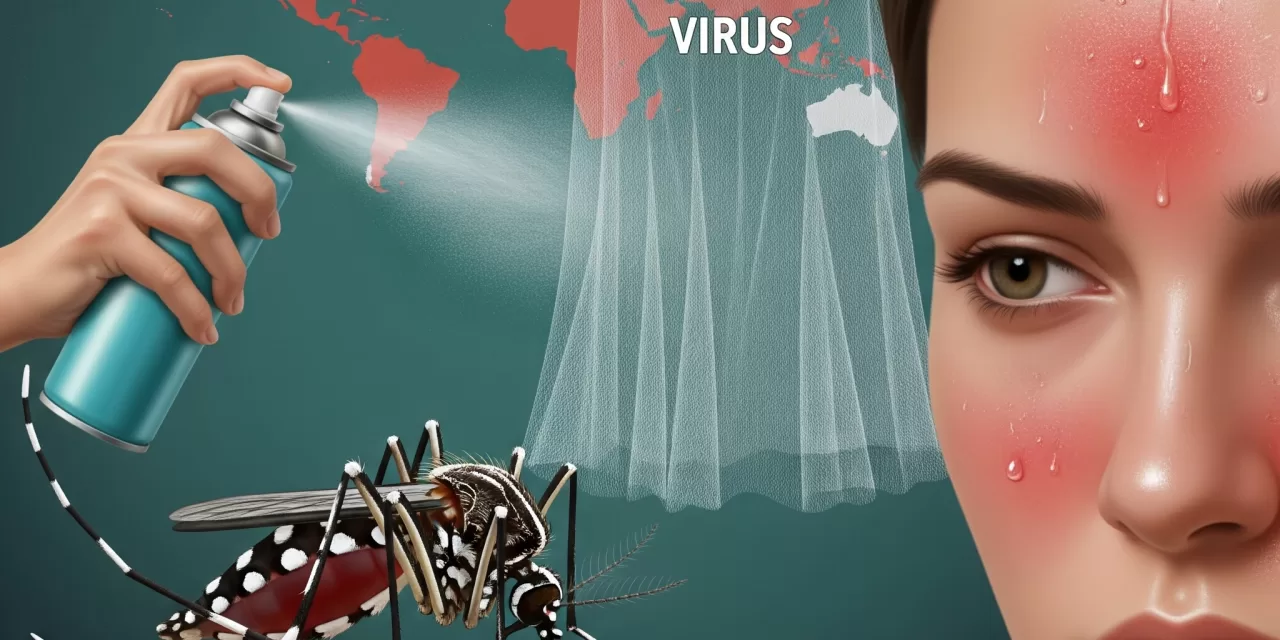
COLOMBO, Sri Lanka — In an aggressive attempt to halt a rapidly expanding public health emergency, Sri Lanka has mobilized its Air Force to deploy aerial surveillance drones alongside thousands of military personnel, police officers, and public health inspectors across the island nation. The extraordinary military-backed health initiative comes as health authorities battle Sri Lanka’s worst dengue fever outbreak in nearly a decade, with official surveillance logging more than 76,000 confirmed infections and 53 deaths since January. Driven by torrential monsoon rains and a dominant, virulent strain of the virus, the rapid influx of patients has pushed major urban medical centers and regional hospitals past operational capacity.
High-Tech Aerial Surveillance Meets Ground Operations
The cornerstone of the newly intensified vector control campaign is an unprecedented integration of military technology into environmental health surveillance. Air Force drones equipped with high-resolution cameras are currently sweeping dense metropolitan centers, including Colombo and Gampaha, scouting for hidden reservoirs of stagnant water on high-rise rooftops, gutters, and industrial structures that are otherwise inaccessible to manual inspection teams.
Once aerial imagery flags potential breeding sites, ground-based search-and-destroy teams—comprising public health inspectors, police, and military personnel—are dispatched to drain water, apply larvicides, and fine property owners who fail to maintain basic vector control standards.
“Drones allow us to map high-risk pockets rapidly, especially in crowded urban zones where rooftop gutters and unfinished construction sites trap rainwater unseen from the ground,” explained Dr. Kapila Kannangara, acting director general of Sri Lanka’s National Dengue Control Unit (NDCU). “However, visual tracking is only the initial step. The real success depends on how rapidly ground teams clear those vector nurseries and how consistently the public maintains their surroundings once teams leave.”
Strain Dynamics: DENV-2 and the Threat of Severe Illness
Epidemiologists trace the heightened severity of the current surge to the dominance of the DENV-2 serotype, which accounts for approximately 75% of genotyped samples in recent weeks. Dengue virus exists as four distinct serotypes (DENV-1, DENV-2, DENV-3, and DENV-4). When a population that recently acquired immunity to one serotype (such as DENV-3, which circulated widely in Sri Lanka during recent seasons) is exposed to a different strain like DENV-2, individuals face a significantly higher risk of severe secondary disease.
This phenomenon—often driven by antibody-dependent enhancement, where pre-existing antibodies facilitate viral entry into host cells rather than neutralizing it—can lead to life-threatening complications such as Dengue Hemorrhagic Fever (DHF) and Dengue Shock Syndrome (DSS).
       Dengue Transmission & Severity Cycle

   Primary Infection (e.g., DENV-3) ──> Mild/Moderate Febrile Illness
                                                 │
                                                 ▼
                                     Lifetime Strain Immunity
                                                 │
   Secondary Exposure (e.g., DENV-2) ───────────┴──> Antibody-Dependent Enhancement
                                                 │
                                                 ▼
                                     Increased Risk of Severe DHF/DSS
At District General Hospital in Negombo, located approximately 35 kilometers north of Colombo in one of the hardest-hit regions, medical staff are managing an unprecedented wave of admissions.
“It is extraordinarily challenging for clinicians because of the sheer velocity with which patient numbers are rising,” said Dr. Lalindra Dias, a senior consultant physician at Negombo District General Hospital. “All of a sudden, you experience a massive influx into the wards. Our facility alone has treated nearly 1,800 dengue patients over a two-month span—nearly double the load we observed during the same window last year.”
To prevent healthcare collapse, hospitals across 14 affected districts have converted non-emergency wards into dedicated dengue units, added extra cots along corridors, and extended nursing and medical shifts.
Public Health Imperatives: Practical Guidance for Communities
Dengue is transmitted primarily by the female Aedes aegypti mosquito—a container-breeding species that bites predominantly during daytime hours. Because Sri Lanka has not integrated a dengue vaccine into its national immunization program, public health authorities emphasize that transmission control relies almost entirely on personal protection and environmental management.
Key Warning Signs of Severe Dengue
While initial symptoms typically include high fever, severe headache, retro-orbital (behind the eye) pain, muscle aches, and skin rash, severe dengue usually manifests 3 to 7 days after initial onset, coincided with the drop in body temperature (the critical phase).
Public health experts advise patients and caregivers to seek immediate emergency medical care if any of the following warning signs appear:
-
Persistent vomiting or inability to tolerate oral fluids
-
Severe abdominal pain or tenderness
-
Mucosal bleeding (spontaneous bleeding from gums or nose)
-
Fluid accumulation (difficulty breathing, swelling)
-
Lethargy, confusion, or extreme restlessness
-
Sudden drop in blood pressure or rapid, weak pulse
Everyday Preventive Steps
Health agencies urge residents to take proactive daily actions:
-
Weekly Source Reduction: Inspect yards, balconies, and indoor spaces every 7 days (matching the mosquito lifecycle from egg to adult) to empty, scrub, or cover water-holding containers.
-
Repellent Use: Apply EPA-approved insect repellents containing DEET, Picaridin, or Oil of Lemon Eucalyptus (OLE) on exposed skin.
-
Physical Barriers: Keep window screens closed and use bed nets when resting during daytime hours.
Environmental Drivers and Infrastructure Challenges
The timing of the current outbreak coincides with the southwest monsoon season, which historically produces a seasonal rise in mosquito populations from May through July. However, public health experts stress that weather is only an amplifier of deeper structural vulnerabilities. Rapid urban density, delayed solid waste collection, and inadequate drainage systems create ideal micro-habitats for Aedes vectors. Furthermore, ongoing vector surveillance in high-burden zones like Gampaha has detected emerging insecticide resistance among local mosquito populations, reducing the efficacy of routine chemical fogging.
Epidemiologists caution that while the end of monsoon rains may bring temporary relief, a secondary transmission wave typically follows during the northeast monsoon between October and December. Without sustained municipal sanitation efforts, emergency technological interventions like drone sweeps offer only temporary respite.
Data Limitations and Epidemiological Surveillance
When interpreting surveillance metrics, public health analysts point out several inherent reporting limitations:
-
Underreporting & Passive Surveillance: Official case numbers reflect facility-based reporting and laboratory-confirmed cases; mild or asymptomatic infections managed entirely at home remain largely uncounted.
-
Diagnostic Overlap: Dengue symptoms overlap significantly with other febrile diseases endemic to the region (such as chikungunya, Zika, and leptospirosis), creating surveillance noise during peak transmission periods.
-
Lag in Reporting: Confirmed death counts and severe case metrics often lag behind initial hospital admission spikes due to administrative verification processes.
References
-
Reuters. Sri Lanka uses air force drones to tackle spreading dengue outbreak. Published July 21, 2026.
Medical Disclaimer: This article is for informational purposes only and should not be considered medical advice. Always consult with qualified healthcare professionals before making any health-related decisions or changes to your treatment plan. The information presented here is based on current research and expert opinions, which may evolve as new evidence emerges.