 0
0
 0
0
ISLAMABAD — Nearly 40% of toddlers and young children tested across high-risk urban locations in Pakistan show elevated concentrations of lead in their bloodstream, according to a landmark joint assessment by Pakistan’s Ministry of National Health Services, Regulations & Coordination and UNICEF.
The findings, released in July 2026, sound an urgent public health alarm for pediatricians and policymakers alike: a preventable heavy-metal poison is quietly threatening the cognitive potential and physical development of millions of vulnerable children.
A Concentrated Crisis in Urban Centers
The Pakistan Childhood Lead Exposure Survey evaluated blood samples from 2,175 children aged 12 to 36 months across seven high-risk urban centers:
-
Karachi
-
Lahore
-
Peshawar
-
Quetta
-
Rawalpindi
-
Islamabad
-
Haripur
Researchers found that approximately four out of every ten children evaluated harbored blood lead levels above globally recognized safety thresholds. In specific vulnerable neighborhoods of Karachi, the prevalence hovered around 39%.
However, researchers noted significant variation between sampling locations. Toxic metal accumulation was heavily concentrated around industrial zones, informal recycling hubs, and low-income neighborhoods rather than being uniformly distributed across the entire population.
       SURVEY OVERVIEW: PAKISTAN CHILDHOOD LEAD EXPOSURE STUDY
┌──────────────────────────────┬──────────────────────────────────────────┐
│ Total Children Tested        │ 2,175 aged 12–36 months                  │
├──────────────────────────────┼──────────────────────────────────────────┤
│ Geographic Scope             │ 7 cities (Karachi, Lahore, Peshawar,    │
│                              │ Quetta, Rawalpindi, Islamabad, Haripur)  │
├──────────────────────────────┼──────────────────────────────────────────┤
│ Overall Unsafe Exposure Rate │ ~40% above international safety triggers │
├──────────────────────────────┼──────────────────────────────────────────┤
│ Primary Contamination Hubs   │ Battery recycling, paints, spices, dust  │
└──────────────────────────────┴──────────────────────────────────────────┘
Why Lead Harms Developing Brains
Lead is a potent neurotoxin with no known biological role in the human body. Medical experts stress that no safe blood lead concentration has been identified in children.
Young children absorb ingested lead up to four to five times more efficiently than adults. Furthermore, their innate hand-to-mouth behaviors increase their intake of contaminated soil, peeling paint chips, and household dust.
“Children absorb lead far more easily than adults, and the damage to the developing brain can be devastating and completely irreversible,” cautioned Pernille Ironside, UNICEF Representative in Pakistan. “There is simply no safe level of exposure.”
When lead enters the bloodstream, it mimics essential minerals like calcium and iron, crossing the blood-brain barrier to disrupt neural pathways.
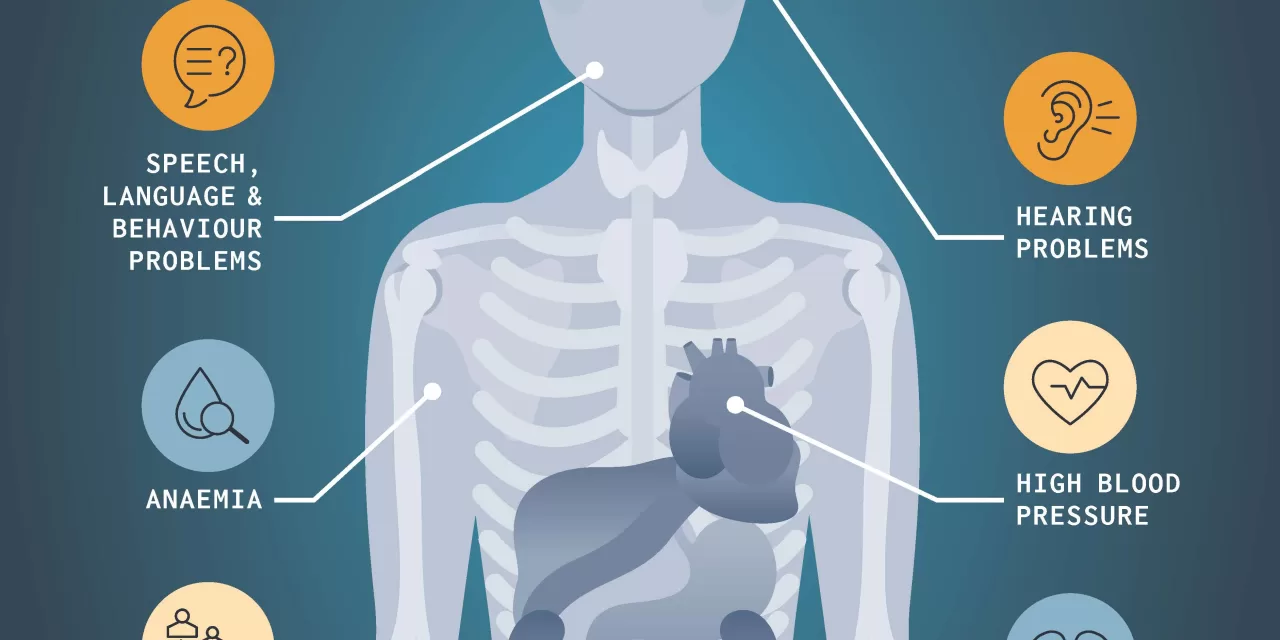
Known Health Outcomes of Early Childhood Lead Poisoning
-
Cognitive: Reduction in IQ scores, learning disabilities, impaired executive function.
-
Behavioral: Shortened attention span, heightened impulsivity, increased risk of behavioral disorders.
-
Systemic: Anemia, slowed physical growth, kidney damage, elevated blood pressure later in life.
The World Health Organization (WHO) currently guidelines state that a blood lead level of 5 micrograms per deciliter ($\mu\text{g/dL}$) must trigger immediate clinical and environmental investigation to locate and eliminate the source of exposure.
Everyday Sources: How Lead Enters the Household
The survey findings align with decades of pediatric environmental health research in South Asia. Exposure rarely stems from a single point source; rather, it accumulates through multiple everyday avenues:
-
Informal Lead-Acid Battery Recycling: Unregulated workshops melting down automotive batteries release airborne particles into adjacent residential zones.
-
Lead-Based Decorative Paints: Peeling paint and contaminated dust on home surfaces remain primary exposure routes for crawling infants.
-
Adulterated Spices & Consumer Products: Certain traditional remedies, unverified cosmetics (such as traditional kohl or surma), and spices ground with lead-adulterated pigments (like lead chromate added for color brightness).
-
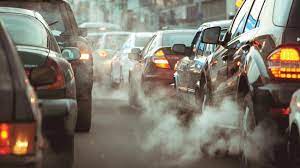
Industrial Emissions & Soil: Legacy contamination from historic leaded gasoline combustion, industrial smelting, and contaminated urban soil.
A case study from Karachi published in the International Journal of Environmental Research and Public Health identified ingested household dust and contaminated food items as the top primary vectors for infants and toddlers, whereas soil inhalation posed the greatest exposure path for pregnant mothers.
Expert Perspectives & Critical Context
Independent public health analysts emphasize that while these findings represent a critical warning, the study design requires careful interpretation.
“Because this survey deliberately targeted known high-risk neighborhoods—such as areas near informal battery foundries or dense industrial centers—the 40% statistic cannot be generalized to every child in Pakistan,” explains Dr. Faisal Mahmood, an independent clinical epidemiologist not involved in the study execution. “However, it highlights an intolerable burden of toxicity in our most vulnerable communities that demands targeted environmental remediation.”
Health officials agree that the survey serves as a essential catalyst for broader national surveillance.
                  PATHWAYS OF CHILDHOOD LEAD EXPOSURE
                                   │
       ┌───────────────────────────┼───────────────────────────┐
       ▼                           ▼                           ▼
Air & Industrial           Household Hazards           Food & Products
 • Battery recycling        • Lead-based paint          • Adulterated spices
 • Smelter emissions        • Contaminated dust         • Traditional remedies
 • Legacy gasoline soil     • Old plumbing pipes        • Lead-glazed ceramics
       │                           │                           │
       └───────────────────────────┼───────────────────────────┘
                                   ▼
                         Infant Ingestion / Inhalation
                                   │
                                   ▼
                   Systemic Toxicity & Brain Damage
Practical Action: What Parents and Communities Can Do
Because lead toxicity frequently progresses without obvious early clinical symptoms, a child may appear completely healthy while experiencing silent organ damage. Public health authorities advise parents, particularly those in urban or industrial areas, to implement practical risk-reduction steps:
-
Practice Wet Cleaning: Frequently mop floors and wipe windowsills with wet cloths to trap contaminated dust rather than dry sweeping, which recirculates toxic particles into the air.
-
Inspect Spices and Cosmetics: Purchase spices from verified, regulated manufacturers. Avoid unbranded cosmetics and traditional eye powders (kohl/surma) unless verified lead-free.
-
Hygiene Habits: Encourage regular handwashing with soap before meals, especially after children play outdoors or on bare ground.
-
Nutritional Countermeasures: Diets rich in calcium, iron, and vitamin C can naturally help reduce the intestinal absorption of ingested lead.
Public Health Road Ahead
Ending childhood lead poisoning requires structural policy shifts alongside household awareness. The WHO emphasizes that preventive environmental policy yields massive economic and societal returns compared to treating permanent developmental delays after exposure occurs.
To safeguard future generations, health organizations recommend three immediate national priorities for Pakistan:
-
Enforcing strict statutory limits on lead content in paints, consumer goods, and food products.
-
Transitioning informal battery recycling into regulated, safe industrial facilities.
-
Establishing routine blood lead screening protocols in primary healthcare clinics within high-risk urban jurisdictions.
Without sustained regulatory enforcement and community intervention, this invisible neurotoxin will continue to silently compromise the cognitive potential of young children.
References
- https://tripurachronicle.in/world-news/nearly-40-per-cent-of-children-in-pakistan-have-unsafe-levels-of-lead-in-blood/
Medical Disclaimer: This article is for informational purposes only and should not be considered medical advice. Always consult with qualified healthcare professionals before making any health-related decisions or changes to your treatment plan. The information presented here is based on current research and expert opinions, which may evolve as new evidence emerges.