 0
0
 0
0
Read Time:5 Minute, 20 Second
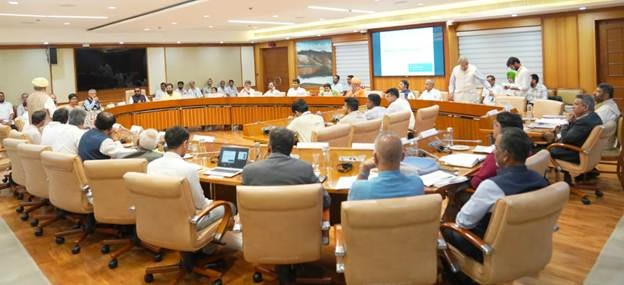
NEW DELHI — In a major push toward holistic and preventive healthcare, Union Minister of State (Independent Charge) for Ayush, Shri Prataprao Jadhav, underscored the urgent need to integrate India’s traditional wellness systems with modern scientific validation. Speaking at the Fifth Parliamentary Consultative Committee Meeting in New Delhi on August 10, 2026, Jadhav outlined a roadmap to position Yoga and Naturopathy as evidence-based, drug-free pillars alongside conventional medicine to combat the growing global burden of chronic diseases.
“Tradition is our strength, science is its evidence, and quality is our priority,” Shri Prataprao Jadhav emphasized during the committee’s deliberations.
The meeting convened key parliamentarians, senior medical experts, and institutional leaders to address the rise of non-communicable diseases (NCDs), mental health challenges, and the healthcare demands of an aging population.
A Dual Approach to Healthcare: Prevention Meets Treatment
Modern medical advances have dramatically improved acute care and disease management. However, health systems globally face escalating costs and rising incidence rates of lifestyle-driven conditions such as cardiovascular disease, type 2 diabetes, chronic stress, and metabolic disorders.
Addressing the consultative committee, Minister Jadhav argued that managing these conditions requires a fundamental shift in strategy—moving from a purely curative framework to one where disease prevention and healthy daily choices work in tandem with medical treatments.
+-------------------------------------------------------------------------+
|                        HOLISTIC HEALTHCARE MODEL                        |
+-------------------------------------------------------------------------+
|                                                                         |
|   +---------------------------------+--+----------------------------+   |
|   |       PREVENTIVE & WELLNESS     |  |     CURATIVE MEDICINE      |   |
|   |         (Ayush Framework)       |  |    (Allopathic Framework)   |   |
|   +---------------------------------+  +----------------------------+   |
|   | • Lifestyle Modification        |  | • Acute Disease Care       |   |
|   | • Nutrition & Natural Therapies |  | • Emergency Intervention   |   |
|   | • Stress & Pain Management      |  | • Pharmacotherapy          |   |
|   | • Active & Healthy Aging        |  | • Surgical Procedures      |   |
|   +---------------------------------+--+----------------------------+   |
|                                     |                                   |
|                                     v                                   |
|                EVIDENCE-BASED INTEGRATED PATIENT CARE                   |
+-------------------------------------------------------------------------+
The Role of Yoga and Naturopathy
-
Yoga: Focuses on physical postures (asanas), breath control (pranayama), and mindfulness practices to improve cardiovascular fitness, mental health, and autonomic nervous system regulation.
-
Naturopathy: Emphasizes non-invasive, drug-free therapies—including targeted nutrition, hydrotherapy, and lifestyle modifications—to support the body’s natural physiological healing mechanisms.
By integrating these practices into mainstream care, health officials aim to improve patient outcomes in stress management, pain rehabilitation, maternal health, and active aging.
Grounding Traditional Knowledge in Modern Science
A central theme of the parliamentary meeting was ensuring that traditional therapies undergo rigorous scientific evaluation before widespread clinical implementation.
Independent medical experts note that while traditional practices carry centuries of anecdotal success, modern healthcare integration requires standardized clinical trial data, biological mechanism studies, and safety profiling to gain trust within the scientific community.
+-------------------------------------------------------------------------+
|                    THE THREE PILLARS OF INTEGRATION                     |
+-------------------------------------------------------------------------+
|                                                                         |
|     [ TRADITION ] ---------------> Cultural Wisdom & Historical Use     |
|          |                                                              |
|          v                                                              |
|      [ SCIENCE ]  ---------------> Clinical Research & PubMed Studies   |
|          |                                                              |
|          v                                                              |
|      [ QUALITY ]  ---------------> Standardized Certification & Rules   |
|                                                                         |
+-------------------------------------------------------------------------+
Ms. Alarmelmangai D., Joint Secretary in the Ministry of Ayush, presented an overview of the current scientific and institutional ecosystem supporting Yoga and Naturopathy in India:
| Resource / Metric | Current Infrastructure & Scope |
| Peer-Reviewed Research | Over 10,500 PubMed-indexed publications covering Yoga and Naturopathy. |
| Research Units | 22 Central Council for Research in Yoga and Naturopathy (CCRYN) units nationwide. |
| Academic Expansion | 100+ universities offering dedicated Yoga degree courses. |
| Community Infrastructure | Over 5,000 Yoga centers and 113 accredited institutions across the country. |
| Quality Control | 29 accredited Personnel Certification Bodies and the newly formed Naturopathy Registration Board (NRB). |
Institutional Reforms and Seven Priority Goals
To eliminate unverified practitioners and establish uniform clinical protocols, the Parliamentary Consultative Committee unanimously called for a unified regulatory mechanism governing Yoga and Naturopathy education and practice.
The strategy relies on key national bodies, including the Morarji Desai National Institute of Yoga (MDNIY), the Yoga Certification Board (YCB), the National Institute of Naturopathy (NIN), and the Naturopathy Registration Board (NRB).
                         MINISTRY OF AYUSH
                                 |
        +------------------------+------------------------+
        |                                                 |
        v                                                 v
  YOGA FRAMEWORK                                 NATUROPATHY FRAMEWORK
  • MDNIY (Education & Training)                 • NIN (Institutional Care)
  • YCB (Personnel Certification)                • NRB (Registration & Standards)
  • CCRYN (Clinical Research)                    • CCRYN (Research Units)
        |                                                 |
        +------------------------+------------------------+
                                 |
                                 v
                 UNIFIED PUBLIC HEALTH IMPACT
The Ministry outlined seven strategic priorities to drive these initiatives:
-
Infrastructure Growth: Expand educational programs and clinical facilities nationwide.
-
Scientific Rigor: Increase randomized controlled trials (RCTs) and mechanistic research.
-
Yoga Standards: Elevate professional certifications through the Yoga Certification Board.
-
Naturopathy Oversight: Standardize registration and practice standards via the Naturopathy Registration Board.
-
Community Access: Deliver affordable preventive wellness programs at primary healthcare levels.
-
Wellness Tourism: Position India as an international hub for evidence-based medical value travel.
-
Global Outreach: Export standardized, science-backed wellness frameworks worldwide.
Public Health Implications and Practical Patient Guidance
For the public, integrating structured lifestyle medicine into routine care offers a practical framework to manage personal health proactively.
Public health researchers emphasize that while lifestyle practices significantly lower chronic disease risks, they are meant to complement—not replace—necessary medical therapies.
+-------------------------------------------------------------------------+
|                  PATIENT ACTION PLAN: RESPONSIBLE USE                   |
+-------------------------------------------------------------------------+
|                                                                         |
|  [CONSULT] -----> Speak with your primary care physician before         |
|                   starting new regimens, especially for existing NCDs.  |
|                                                                         |
|  [VERIFY]  -----> Ensure Yoga instructors and Naturopathy therapists    |
|                   hold credentials recognized by bodies like YCB/NRB.  |
|                                                                         |
|  [COMBINE] -----> Treat lifestyle practices as supportive adjuncts to   |
|                   prescribed medical treatments, not substitutes.       |
|                                                                         |
+-------------------------------------------------------------------------+
Navigating Integrative Care Wisely
-
Consult Primary Physicians: Individuals with pre-existing conditions (e.g., severe hypertension, joint damage, or advanced diabetes) should speak with their primary care provider before beginning intense physical regimens or restrictive diets.
-
Verify Credentials: Seek services from certified practitioners registered with recognized accreditation boards to ensure safe, standardized care.
-
Avoid Abrupt Treatment Changes: Therapeutic practices should serve as supportive measures alongside prescribed medications unless altered by a physician.
Balanced Perspectives and Future Outlook
While public health experts welcome the focus on preventive care, some researchers urge caution regarding rapid expansion. Critics note that while Yoga has a robust body of clinical studies for stress, back pain, and metabolic support, Naturopathic interventions vary widely and require further rigorous, high-sample trials to validate specific therapeutic claims.
Establishing unified regulatory standards and expanding PubMed-indexed clinical research are designed to address these concerns. As India works toward its long-term health goals, combining traditional practices with modern clinical verification offers a viable path toward sustainable, lifelong wellness.
References
-
Press Information Bureau (PIB) Delhi. (2026, August 10). Prevention and Healthy Lifestyles Must Go Hand in Hand with Disease Treatment: Shri Prataprao Jadhav. Ministry of Ayush, Government of India.
Medical Disclaimer: This article is for informational purposes only and should not be considered medical advice. Always consult with qualified healthcare professionals before making any health-related decisions or changes to your treatment plan. The information presented here is based on current research and expert opinions, which may evolve as new evidence emerges.


Happy
0 %

Sad
0 %

Excited
0 %

Sleepy
0 %

Angry
0 %

Surprise
0 %