 0
0
 0
0
OTTAWA — In a landmark move for North American drug pricing, Health Canada has approved a second generic version of semaglutide, the active ingredient in the blockbuster drug Ozempic. The authorization, granted on April 28, 2026, makes Canada the first country in the G7 to clear multiple generic versions of the medication, potentially slashing costs for millions of patients living with type 2 diabetes and those using the drug off-label for weight management.
The new approval covers a once-weekly injection manufactured by Canadian-based Apotex. It follows the approval of a first generic version from India-based Dr. Reddy’s Laboratories just days prior. By introducing competition into a market previously dominated by Novo Nordisk’s brand-name Ozempic, health economists predict a significant shift in affordability and accessibility across the country.
Understanding the Approval: Bioequivalence and Safety
The Apotex generic is authorized for the treatment of adults with type 2 diabetes. While Ozempic has become a household name for weight loss, its primary regulatory indication remains blood-sugar control.
To gain Health Canada’s seal of approval, a generic drug must prove bioequivalence. This means the generic version contains the same active ingredient and is absorbed into the bloodstream at the same rate and extent as the original brand-name drug.
“Generic medicines are not ‘lite’ or ‘weaker’ versions of the original,” explains Dr. Sean Wharton, a leading Canadian internal medicine specialist and obesity expert. “They undergo rigorous testing to ensure that the patient experience—both in terms of blood sugar management and side effects—is identical to the brand-name product.”
The “Generic Tier” Effect: What Patients Will Save
For many Canadians, the cost of Ozempic has been a prohibitive barrier. Out-of-pocket expenses for the brand-name drug typically range between $300 and $400 per month.
The entry of a second generic player is a critical economic trigger. Under the pan-Canadian Pharmaceutical Alliance (pCPA) framework, drug pricing usually follows a predictable downward trend:
-
First Generic: Often enters the market at 75% to 85% of the brand-name price.
-
Second Generic: Historically triggers a “price floor,” often driving the cost of both generics down to 50% or less of the original brand price.
If these patterns hold, Canadian patients could soon see monthly costs drop to approximately $150 to $200, a change that advocates say will significantly reduce “cost-related non-adherence,” where patients skip doses to save money.
Global Significance: Canada vs. The G7
Canada’s regulatory speed places it ahead of its G7 peers, including the United States, United Kingdom, and Germany. In the U.S., Novo Nordisk maintains robust patent protections that have successfully fended off generic entries, leaving American patients to pay significantly higher prices for the same molecule.
Health Canada is not stopping at two. The regulator confirmed it is currently reviewing at least seven additional submissions for generic semaglutide. This “pipeline” suggests that within the next 12 to 24 months, the market could see even further price erosion and more stable supply chains, helping to mitigate the drug shortages that have plagued the GLP-1 market since 2023.
How Semaglutide Works
Semaglutide is a GLP-1 (glucagon-like peptide-1) receptor agonist. It functions by mimicking a natural hormone produced in the gut. Its primary roles include:
-
Insulin Regulation: Stimulating the pancreas to release insulin when blood sugar is high.
-
Appetite Suppression: Signaling the brain’s satiety centers to make the user feel full longer.
-
Digestion: Slowing down gastric emptying, which prevents sharp spikes in glucose after meals.
While these generics are approved for diabetes, the underlying science is the same as that used in weight-loss-specific formulations like Wegovy. However, medical professionals emphasize that semaglutide is intended as an adjunct to lifestyle changes—including diet and exercise—rather than a standalone solution.
Expert Commentary and Public Health Caution
While the news is being cheered by patient advocacy groups, some medical experts urge a balanced approach.
“Increased access is a double-edged sword,” says one Toronto-based endocrinologist. “While it’s a win for diabetes patients who have been priced out, we must ensure that broader availability doesn’t lead to ‘cosmetic’ use. These are serious medications that require medical supervision.”
Potential Side Effects to Monitor:
-
Nausea and vomiting (most common during the dose-escalation phase)
-
Constipation or diarrhea
-
Rare but serious risks: Pancreatitis, gallbladder disease, and kidney complications.
Furthermore, long-term data regarding weight maintenance remains a concern. Clinical observations suggest that many patients experience weight regain once the medication is discontinued, highlighting the need for permanent lifestyle integration and long-term primary care support.
Practical Implications for Readers
If you are currently prescribed Ozempic or are considering semaglutide for type 2 diabetes, here is what this news means for you:
-
Talk to Your Pharmacist: Generic versions may not be on every shelf immediately, as supply chains scale up. Ask when the Apotex or Dr. Reddy’s versions will be available at your local pharmacy.
-
Review Your Insurance: Private insurers and provincial drug plans (like OHIP+ or Fair PharmaCare) will likely update their formularies to favor the lower-cost generic versions.
-
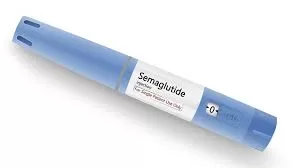
Consult Your Doctor: Before switching, discuss whether the generic injection device (the “pen”) operates the same way as the brand-name version to ensure you are comfortable administering the dose.
The Bottom Line
The approval of a second generic semaglutide marks a shift from “luxury” pricing toward “essential” medicine pricing. By breaking the monopoly, Canada is setting a precedent for how G7 nations can address the skyrocketing costs of metabolic healthcare.
Medical Disclaimer: This article is for informational purposes only and should not be considered medical advice. Always consult with qualified healthcare professionals before making any health-related decisions or changes to your treatment plan. The information presented here is based on current research and expert opinions, which may evolve as new evidence emerges.
References
-
CityNews Calgary. (2026, May 1). Health Canada approves 2nd generic version of Ozempic — and it’s Canadian.