 0
0
 0
0
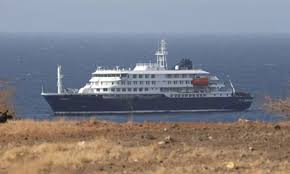
TENERIFE, SPAIN — A complex multinational health operation concluded Monday as Spanish authorities finalized the evacuation of the MV Hondius, a Dutch-flagged cruise ship struck by a rare and deadly outbreak of hantavirus. The operation, which involved travelers from more than 20 countries, marks a significant milestone in containing a cluster that has claimed three lives and triggered a global contact-tracing effort.
While the scale of the evacuation was vast—utilizing military transport and specialized quarantine protocols—the World Health Organization (WHO) and regional health ministries are moving to reassure the public. Officials emphasize that while the situation aboard the vessel was critical, the risk of a broader community outbreak remains “low” due to the specific nature of how this virus spreads.
The Evacuation: A Race Against the Clock
The final phase of the repatriation effort took place in Tenerife, where the remaining passengers boarded chartered flights to destinations including Australia and the Netherlands. The MV Hondius originally carried 147 passengers and crew from 23 different nations.
The crisis escalated rapidly after severe respiratory illnesses were first reported in late April. According to Reuters, laboratory testing has now confirmed seven cases of Andes hantavirus among those on board. Spanish Health Minister Mónica García confirmed on Monday that the vessel is now en route to the Netherlands, manned only by essential crew, where it will undergo a rigorous professional disinfection process.
“The speed of this response was essential,” Minister García stated during a press briefing, noting that the operation required seamless coordination between the Spanish military, commercial airlines, and international health agencies to ensure exposed individuals were transported without further risk to the public.
Understanding the Andes Hantavirus
Hantaviruses are a family of viruses primarily spread by rodents. Humans typically become infected through contact with the urine, saliva, or droppings of infected mice or rats—often by breathing in contaminated dust stirred up in confined spaces.
However, the current outbreak is of particular concern to epidemiologists because it involves the Andes strain. While most hantaviruses do not spread between people, the Andes variety is notable for its rare ability to facilitate limited person-to-person transmission.
“The Andes hantavirus is the outlier in the hantavirus family,” explains Dr. Aris Katzourakis, an evolutionary biologist specializing in viral outbreaks (not involved in the ship’s response). “While the primary route remains rodent-to-human, we have documented instances of human-to-human spread in close-contact settings. This is precisely why a cruise ship environment, with its shared air and close quarters, necessitated such an aggressive isolation strategy.”
Symptoms and Clinical Progression
The WHO reports that the initial illnesses on the MV Hondius began appearing between April 6 and April 28. For those infected, the disease trajectory is often deceptive. According to clinical data from the Mayo Clinic, the early stages of Hantavirus Pulmonary Syndrome (HPS) often mimic common seasonal ailments:
-
Initial Phase: Fever, severe muscle aches (especially in the thighs, hips, and back), headaches, and gastrointestinal distress (nausea, vomiting, or stomach pain).
-
Critical Phase: Four to ten days after the initial symptoms, the disease can progress rapidly to include coughing, shortness of breath, and a feeling described as a “tight band around the chest” as the lungs fill with fluid.
In the shipboard cluster, several patients progressed to acute respiratory distress syndrome (ARDS) and shock, illustrating why health officials treat every suspected case as a high-priority emergency.
Why the Public Risk Remains Low
Despite the tragic loss of three passengers, public health experts are quick to distinguish between a “contained cluster” and a “public health threat.”
The WHO’s risk assessment remains “low” for the general population for several reasons:
-
Limited Transmission: Even with the Andes strain, human-to-human transmission is inefficient and usually requires prolonged, intimate contact.
-
Incubation Monitoring: Health authorities have identified all high-risk contacts. These individuals are currently under supervised quarantine or strict “fever watch” protocols.
-
No Environmental Persistence: The virus does not survive long outside of its host or the environment of a rodent nest, making “casual” infection in public spaces like airports highly unlikely.
Practical Implications for Travelers
For the average traveler, the MV Hondius incident serves as a reminder of the importance of travel history in medical diagnosis. Because early hantavirus symptoms look like COVID-19 or the flu, patients must inform doctors of recent travel or potential exposure to rodents.
“If you have recently traveled and develop a fever along with muscle aches and any difficulty breathing, seek medical attention immediately,” the WHO advised in its latest bulletin. “Early supportive care—specifically monitoring oxygen levels and hydration—is the most effective way to manage the infection.”
Limitations and Unresolved Questions
Medical investigators are still working to solve the “Patient Zero” mystery. It remains unclear how the virus entered the ship. Investigations are focused on whether the virus was introduced via contaminated supplies, a stowaway rodent, or an initial passenger who was already in the incubation phase after an inland excursion.
Furthermore, the final case count may shift. Because the incubation period for hantavirus can last up to several weeks, health officials are bracing for the possibility of a few “delayed” cases appearing among quarantined passengers.
As the MV Hondius sails toward the Netherlands for its final cleaning, the global health community remains vigilant. The success of this evacuation suggests that while rare pathogens remain a threat in our interconnected world, modern surveillance and rapid international cooperation remain our most effective defense.
Reference Section
- https://www.reuters.com/business/healthcare-pharmaceuticals/evacuation-passengers-virus-hit-cruise-ship-be-completed-monday-2026-05-11/
Medical Disclaimer: This article is for informational purposes only and should not be considered medical advice. Always consult with qualified healthcare professionals before making any health-related decisions or changes to your treatment plan. The information presented here is based on current research and expert opinions, which may evolve as new evidence emerges.