 0
0
 0
0
Tuesday, May 12, 2026
NEW DELHI — India’s healthcare landscape is undergoing a structural metamorphosis. Driven by a burgeoning middle class, an aging population, and a pivot toward high-tech diagnostics, the nation’s hospital sector has officially entered a new, volume-led growth cycle. According to a landmark research report released this week by brokerage firm Mirae Asset Sharekhan, the Indian hospital market—valued at approximately $193.4 billion in FY25—is on a trajectory to reach a staggering $364.6 billion by 2034.
This 7.2% compound annual growth rate (CAGR) is more than just a financial metric; it represents a fundamental shift in how 1.4 billion people will access life-saving care. For the first time in nearly a decade, major private hospital chains are moving away from simply increasing the cost of a hospital bed to a strategy focused on “volume-led growth”—essentially, building more beds and using advanced technology to treat more people, faster.
The Supply-Demand Gap: A Race to 2 Million Beds
Despite being a global pharmacy and a hub for medical tourism, India faces a chronic shortage of physical infrastructure. The current statistics paint a stark picture: India possesses roughly 1.3 hospital beds per 1,000 people, significantly trailing the global median of 2.9.
“The under-penetration in the Indian market is so acute that every new bed added by a reputable chain is almost immediately absorbed by the community,” says Dr. Ananya Sharma, a senior health systems analyst not involved in the Sharekhan study. “We are looking at a shortfall of nearly 2 million beds to even approach basic international standards.”
To bridge this gap, private hospital chains—which are projected to grow at a faster 10.6% CAGR—are ramping up capital expenditure. Major networks like Apollo Hospitals and Max Healthcare are reporting bed utilization rates consistently above 60%, with some nearing 70%, signaling that the demand for quality tertiary care is at an all-time high.
The “Digital Nervous System”: AI at the Bedside
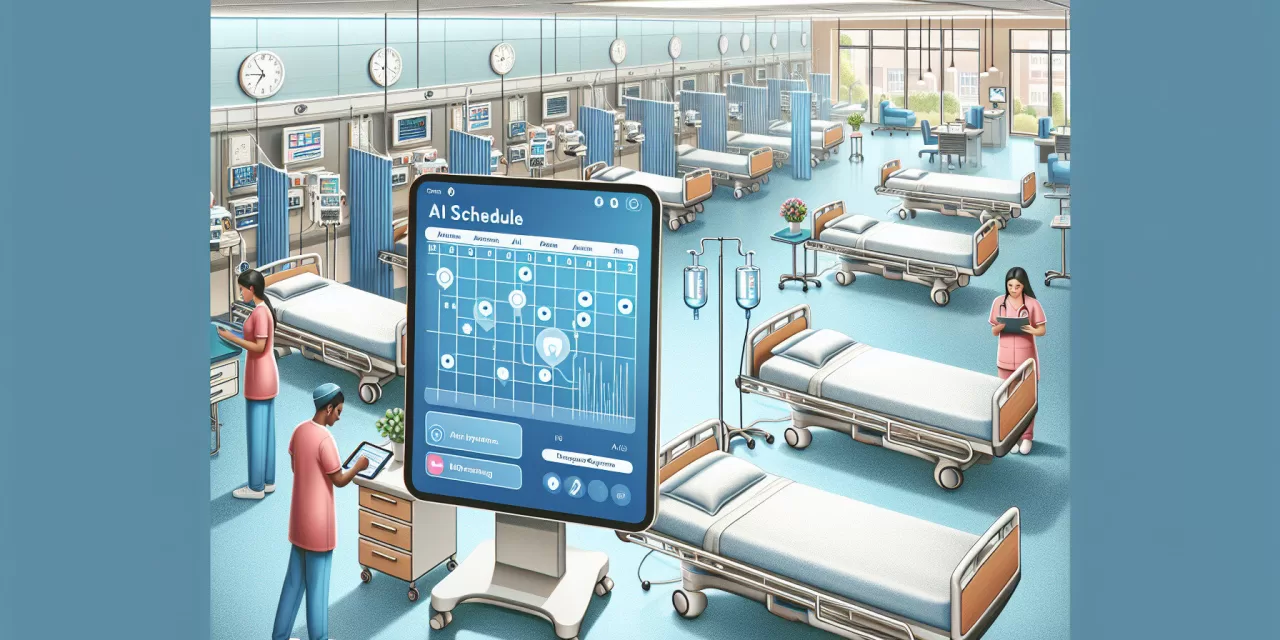
While physical brick-and-mortar expansion provides the skeleton, Artificial Intelligence (AI) is becoming the nervous system of modern Indian hospitals. From Tier-1 metros to emerging medical hubs in Tier-2 cities, AI-driven tools are no longer futuristic concepts—they are daily clinical realities.
Key Technological Breakthroughs:
-
Early Diagnostics: AI algorithms are now routinely used to screen for diabetic retinopathy and lung nodules in imaging, often catching signs of disease months before traditional methods.
-
Teleconsultation: With over 282 million telemedicine consultations recorded nationally by late 2025, specialist expertise is finally reaching remote districts.
-
Operational Efficiency: AI-enabled bed management systems, such as those trialed at AIG Hospitals in Hyderabad, have boosted patient throughput by 12% by optimizing discharge and admission workflows.
“AI isn’t replacing the doctor; it’s giving the doctor a superpower,” notes a recent evidence review in npj Digital Medicine. By automating routine screening, AI allows overstretched specialists to focus on the most complex cases, effectively “democratizing” high-end care.
The Payer Revolution: Who Picks Up the Tab?
The way Indians pay for healthcare is also shifting. Traditionally a market dominated by “out-of-pocket” spending—which often pushed families into poverty—the sector is seeing a rise in third-party payments.
Private insurance now accounts for 30% to 43% of revenue for large hospital chains, up from just 20% a few years ago. Simultaneously, the Ayushman Bharat (PM-JAY) scheme has expanded the safety net, with over 16,700 private hospitals now empanelled to treat the nation’s most vulnerable.
However, this transition is not without friction. “The government schemes provide the volume, but the fixed-package pricing puts immense pressure on hospital margins,” explains Rajat Gupta, a healthcare policy consultant. “Hospitals are forced to become hyper-efficient to remain viable while serving patients under these public insurance models.”
Challenges: The Human and Ethical Cost
The road to $364 billion is paved with significant hurdles. The most pressing is a workforce crisis. India’s doctor-to-population ratio stands at roughly 1.2 per 1,000, and the shortage of specialized nurses and paramedics remains a bottleneck for safe scaling.
Furthermore, the rapid integration of AI raises ethical red flags. Experts warn that without rigorous validation, algorithmic bias could lead to misdiagnosis in diverse populations. Data privacy also remains a paramount concern as hospitals move toward unified Electronic Health Records (EHR) through the National Health Claims Exchange.
What This Means for You
For the average citizen, this “Growth Cycle” translates to:
-
Lower Wait Times: Increased capacity in Tier-2 and Tier-3 cities means fewer long-distance trips to metros for surgeries.
-
Precision Medicine: Greater access to AI-assisted diagnostics means earlier detection of chronic conditions like cancer and heart disease.
-
Financial Protection: Expanding insurance coverage reduces the risk of catastrophic health expenditures.
The Bottom Line: India’s hospital sector is no longer just “repairing balance sheets.” It is building a high-tech, high-volume infrastructure aimed at closing a decades-long gap in care.
Reference Section
- https://health.economictimes.indiatimes.com/news/hospitals/indias-hospital-sector-enters-new-growth-cycle-as-ai-and-capacity-expansion-reshape-care-report/131001163?utm_source=latest_news&utm_medium=homepage
Medical Disclaimer: This article is for informational purposes only and should not be considered medical advice. Always consult with qualified healthcare professionals before making any health-related decisions or changes to your treatment plan. The information presented here is based on current research and expert opinions, which may evolve as new evidence emerges.