 0
0
 0
0
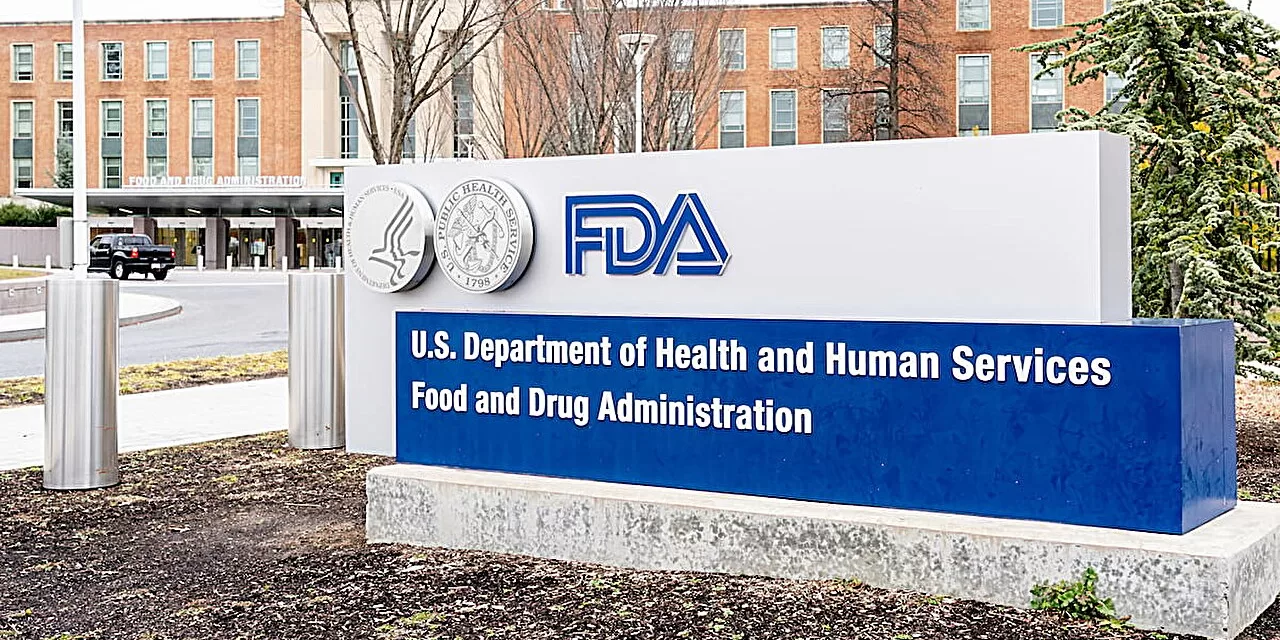
WASHINGTON, D.C. — In a significant shift for neurodegenerative disease care, the U.S. Food and Drug Administration (FDA) has approved an at-home starter dose for the Alzheimer’s drug Leqembi (lecanemab-irmb). Announced on July 13, 2026, the regulatory decision allows patients with early-stage Alzheimer’s disease to initiate their treatment regimen via a weekly subcutaneous (under-the-skin) injection using the LEQEMBI IQLIK autoinjector. Developed jointly by Eisai and Biogen, this new pathway marks a pivotal transition away from the mandatory, resource-intensive intravenous (IV) infusions traditionally required at the start of therapy, potentially reshaping the treatment landscape for thousands of families navigating the early stages of cognitive decline.
Expanding Access and Autonomy at Home
The newly cleared protocol permits eligible individuals—specifically those diagnosed with mild cognitive impairment (MCI) or mild dementia due to Alzheimer’s disease—to skip the initial biweekly hospital or clinic infusions. Instead, they can begin therapy in the comfort of their own homes.
According to pharmaceutical developer Eisai, the approval is backed by clinical data demonstrating that a weekly 500 mg subcutaneous injection yields a drug exposure profile in the body equivalent to the standard biweekly IV regimen. Crucially, the data indicated that systemic injection-related or infusion-related reactions were uncommon during subcutaneous trials, occurring in less than 2% of the study participants.
For the general public and healthcare providers alike, the immediate benefit centers on logistical relief. Rather than coordinating frequent, stressful transit to specialized infusion clinics during the critical initiation phase, families can manage the injections independently. The Alzheimer’s Association noted that this setup mirrors the advantages of the previously approved subcutaneous maintenance dosing, significantly lowering the travel burden, reducing time commitments, and easing the persistent bottleneck currently straining institutional infusion centers.
The Clinical Reality: Slowing Progression, Not a Cure
Despite the added convenience of the autoinjector, medical experts emphasize that the underlying science of the drug remains unchanged. Leqembi is an anti-amyloid monoclonal antibody—a engineered protein designed to target and clear amyloid-beta plaques, which are abnormal protein clumps that accumulate in the brains of individuals with Alzheimer’s disease.
The definitive data supporting lecanemab stems from the landmark Phase 3 Clarity AD clinical trial, which evaluated 1,795 participants over an 18-month period. Published in The New England Journal of Medicine, the trial revealed that Leqembi slowed clinical decline by 27% on the Clinical Dementia Rating–Sum of Boxes (CDR-SB) scale compared to a placebo.
However, independent neurologists stress that the drug does not restore lost memories or reverse existing cognitive damage. In a viewpoint published in JAMA Neurology, experts described the treatment’s clinical efficacy as real but modest. Writing in Nature Reviews Neurology, independent commentators further urged the public to weigh these incremental benefits against broader challenges, including long-term safety, out-of-pocket costs, and the uneven availability of specialized neurological care.
Managing the Risks: Safety and Monitoring Remain Central
The transition to home administration does not mean patients can bypass rigorous medical oversight. The primary safety concern associated with anti-amyloid therapies like Leqembi is Amyloid-Related Imaging Anomalies, or ARIA.
ARIA manifests in two primary ways:
-
ARIA-E: Swelling or fluid accumulation (edema) in the brain.
-
ARIA-H: Small bleeding spots (microhemorrhages) on the brain’s surface.
Eisai’s prescribing information reveals that ARIA of any type occurred in 21% of Leqembi-treated patients in the pivotal trial, compared to 9% in the placebo group. While many cases are asymptomatic and detected only via routine scans, symptomatic ARIA occurred in 3% of patients, and serious, potentially life-threatening symptoms were recorded in 0.7% of participants. The risk is significantly elevated for individuals who inherit two copies of the APOE ε4 gene variant, a genetic factor strongly linked to late-onset Alzheimer’s.
Because ARIA typically develops during the early months of treatment, the FDA-approved label mandates a baseline brain Magnetic Resonance Imaging (MRI) scan and periodic follow-up MRI monitoring. Consequently, patients utilizing the at-home starter dose must still visit imaging centers and maintain tight clinical supervision with their supervising neurologists.
Balancing the Public Health Impact
From a public health perspective, the option to begin treatment at home could introduce vital flexibility into health systems. By reducing the volume of early-stage clinic visits, hospital systems may free up valuable chairs in crowded infusion suites, allowing dementia specialists to allocate resources to a wider pool of patients.
Nonetheless, health equity advocates warn that the home-start option may not fully resolve deep-seated disparities in Alzheimer’s care. Because the therapy relies heavily on timely molecular diagnostics (such as PET scans or spinal fluid tests to confirm the presence of amyloid plaques) and regular MRI safety checks, individuals living in rural regions or lower-resource communities may still face substantial geographic and financial barriers. Without systemic infrastructure improvements to support local diagnostics, the real-world advantages of an autoinjector may remain out of reach for underserved populations.
Ultimately, the clinical consensus points toward a highly individualized approach. For a patient with strong caregiver support, reliable access to advanced neuroimaging, and a clear understanding of the drug’s safety profile, the at-home starter dose represents a welcome step forward. For others, the traditional clinic setting may still provide a necessary layer of reassurance.
References
-
-
Reuters. “FDA approves at-home starter dose of Eisai-Biogen Alzheimer’s drug.” Published July 13, 2026.
-
Medical Disclaimer: This article is for informational purposes only and should not be considered medical advice. Always consult with qualified healthcare professionals before making any health-related decisions or changes to your treatment plan. The information presented here is based on current research and expert opinions, which may evolve as new evidence emerges.