 0
0
 0
0
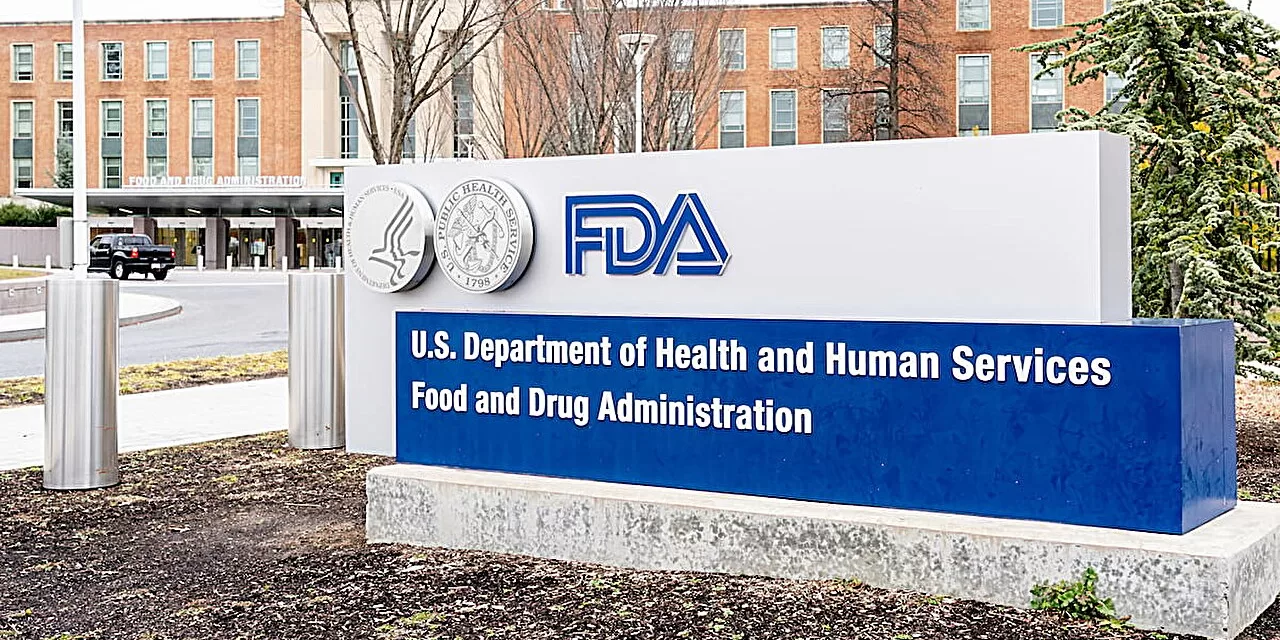
WASHINGTON — The U.S. Food and Drug Administration (FDA) announced on July 2, 2026, that it is actively investigating a rare but severe safety signal involving serious neurologic complications and deaths following routine general anesthesia. The safety alert specifically highlights a vulnerability in some patients of maternal Venezuelan ancestry. The adverse reactions have been linked most frequently to the widely used volatile anesthetic sevoflurane, though the FDA notes the risk may extend to other inhaled anesthetics. Preliminary research suggests the complications may be driven by a rare, maternally inherited mitochondrial genetic variant, though health authorities emphasize that the overall risk appears to be extremely uncommon and the evidence is still unfolding.
The Scope of the FDA Investigation
According to the FDA notice, the federal agency is currently reviewing adverse event data involving both adult and pediatric patients who experienced profound neurological injury after being exposed to volatile (inhaled) anesthetics. Because the suspected underlying mechanism is a genetic variant that alters how cellular components respond to these drugs, the FDA has clarified that the safety review is not necessarily limited to a single brand or specific manufacturing batch of anesthesia.
The agency noted that its decision to issue the public alert was partially influenced by recent logistical and healthcare strains following earthquakes in Venezuela. The warning aims to help international clinicians, as well as those providing humanitarian medical aid to Venezuelan populations, quickly recognize and manage this rare condition. Until definitive data are established, the FDA suggests that healthcare providers operating in Venezuela or treating high-risk patients consider utilizing alternative techniques—such as Total Intravenous Anesthesia (TIVA) or regional anesthesia—whenever clinically appropriate and logistically feasible.
Emerging Data and International Tracking
While large-scale clinical trials have not yet been conducted, professional medical societies have been rapidly compiling observational data.
-
Global Case Counts: A clinical perspective published in the American Journal of Ophthalmology reported that approximately 40 cases had been identified globally. These cases spanned several countries, including the United States, Chile, Germany, Spain, and Guyana. The published data tracked a distinct pattern: otherwise healthy individuals of maternal Venezuelan descent experienced severe, unexplained neurological damage shortly after undergoing routine surgery.
-
The Genetic Link: Researchers have consistently identified a specific mitochondrial variant—known as MT-ND4 m.11232T>C—in the affected individuals.
-
Widespread Institutional Concern: The issue has caught the attention of multiple international bodies. The Canadian Anesthesiologists’ Society (CAS) published a formal advisory statement in the Canadian Journal of Anesthesia, detailing the need for clinical vigilance. This followed an earlier, proactive joint communication from the American Society of Anesthesiologists (ASA) and the Society for Pediatric Anesthesia (SPA), which first flagged reports of unexplained neurological decline in previously healthy Venezuelan children.
Understanding the Science: Why Mitochondria Matter
To understand why a routine drug could trigger such a severe reaction, it helps to look at the microscopic engines inside human cells: the mitochondria.
Mitochondria are responsible for generating adenosine triphosphate (ATP), the primary energy currency of the body. Because mitochondria possess their own distinct DNA, which is inherited entirely from an individual’s mother, variations in these genes can alter how cells handle metabolic stress.
In this specific scenario, investigators hypothesize that the MT-ND4 m.11232T>C variant subtly alters the structure of proteins within the mitochondrial respiratory chain. When exposed to volatile anesthetics like sevoflurane, these altered mitochondria may undergo severe metabolic failure, leading to cellular energy deprivation and subsequent injury to highly sensitive tissues like the central nervous system.
However, medical experts urge caution when interpreting these findings. A statistical or genetic association is not absolute proof of direct causality. The current evidence relies heavily on case reports and retrospective series rather than prospective, controlled clinical trials.
Independent Medical Perspectives
Anesthesiology societies worldwide are taking a measured, highly targeted approach to the data, framing it as a specialized pharmacogenetic puzzle rather than a reason to alter broad anesthesia protocols.
In a joint statement, the European Society of Anaesthesiology and Intensive Care (ESAIC), the European Society of Paediatric Anaesthesia (ESPA), and the European Reference Network for Neuromuscular Diseases (ERN EURO-NMD) emphasized that this safety signal should not lead to widespread anxiety or indiscriminate bans on inhaled anesthetics. Instead, they recommend that clinicians treat this as an individualized genetic risk factor requiring tailored patient assessments.
Dr. Elena Vasquez, an independent neuroanesthesiologist not involved in the initial case reports, noted the importance of context:
“What we are seeing is the precision of modern pharmacovigilance. A generation ago, an incredibly rare event like this might have gone unnoticed or been dismissed as an inexplicable surgical complication. Today, international registries allow us to spot genetic clusters quickly. However, it is vital for the public to understand that general anesthesia remains fundamentally safe, and this specific variant is exceptionally rare, even within the Venezuelan population.”
Public Health Implications and Practical Steps for Patients
For hospitals and perioperative teams, the FDA review opens up challenging questions regarding pre-operative screening, informed consent, and how rapidly emerging genetic safety data should be integrated into standard hospital protocols. The FDA is continuing to analyze whether this safety signal poses a broader statistical risk to the general U.S. population or impacts the broader safety profiles of FDA-approved anesthetic products.
For the general public and health-conscious consumers, the most important takeaway is communication rather than fear.
What Patients Should Do Before Surgery:
-
Detail Family History: Patients preparing for an upcoming surgical procedure should provide their clinical team with a comprehensive family medical history.
-
Highlight Anesthesia Complications: Specific attention should be paid to any history of unexpected surgical complications, unexplained prolonged sedation, or sudden post-operative neurological issues, particularly on the mother’s side of the family.
-
Discuss Ancestry Contextually: For individuals aware of maternal Venezuelan heritage, mentioning this background can help the anesthesiologist determine if alternative sedative techniques or further preoperative evaluations are warranted.
Ultimately, international health authorities emphasize that the current data support measured vigilance rather than panic. General anesthesia remains one of the safest and most essential pillars of modern medicine, and ongoing research will help ensure it becomes even more precisely tailored to individual genetic profiles.
Reference Section
-
Reuters Health: “FDA probes anesthesia-linked neurological complications in some patients of Venezuelan ancestry.” Report published July 2, 2026.
Medical Disclaimer: This article is for informational purposes only and should not be considered medical advice. Always consult with qualified healthcare professionals before making any health-related decisions or changes to your treatment plan. The information presented here is based on current research and expert opinions, which may evolve as new evidence emerges.