 0
0
 0
0
JAMSHEDPUR, INDIA — Health officials in the East Singhbhum district of Jharkhand reported nine new confirmed cases of cerebral malaria between July 1 and July 2, 2026. The new diagnoses bring the total number of detected cases in the Potka block to approximately 150 within the past week. The sharp increase has prompted state and local health authorities to launch wide-scale medical screening, vector control, and emergency treatment operations across the worst-affected villages.
The concentrated cluster has triggered an immediate public health response as medical teams attempt to contain the transmission of the deadly neurological complication, which has already claimed the lives of at least four children.
Escalating Case Counts and Frontline Containment
According to local health authorities, medical teams have conducted rapid screening on roughly 3,000 blood samples in the Potka block since June 24, 2026. Out of these, approximately 150 individuals have tested positive for cerebral malaria.
The outbreak is heavily concentrated in rural pockets, particularly within the villages of Kandar and Hithbasa. In response, the district health administration has deployed mobile medical units to execute door-to-door surveillance. Frontline workers are actively distributing insecticide-treated mosquito nets (ITNs), administering immediate antimalarial regimens, and coordinating the urgent transfer of symptomatic patients to nearby secondary and tertiary hospitals.
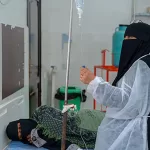
Dozens of residents—a significant proportion of whom are pediatric patients—remain hospitalized. Hospital administrators have confirmed that several patients are currently in critical condition, requiring round-the-clock monitoring in intensive care units.
Understanding Cerebral Malaria: A Neurological Emergency
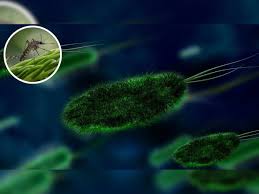
Cerebral malaria represents the most severe and life-threatening neurological complication of malaria. It is predominantly caused by the Plasmodium falciparum parasite, which is transmitted to humans through the bite of infected female Anopheles mosquitoes.
[Parasite Infection via Mosquito Bite]
                  │
                  ▼
[Infected Red Blood Cells Become Sticky]
                  │
                  ▼
[Microvascular Occlusion (Blocked Brain Capillaries)]
                  │
                  ▼
[Inflammation & Reduced Brain Oxygen] ──► [Seizures, Coma, or Death]
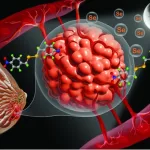
When the parasite multiplies inside the human host, it alters the surface properties of red blood cells, causing them to become sticky. These infected cells adhere to the inner linings of small blood vessels, a process known as cytoadherence. When this occurs in the brain’s microvasculature, it obstructs capillary blood flow, leading to:
-
Cellular inflammation
-
Localized oxygen deprivation (hypoxia)
-
Increased intracranial pressure (brain swelling)
Without rapid medical intervention, the condition can progress rapidly from standard flu-like malaria symptoms to persistent seizures, altered consciousness, coma, and death. Clinical guidelines dictate that prompt diagnosis via rapid tests and the immediate administration of intravenous or intramuscular (parenteral) antimalarial therapies are vital to reducing mortality rates.
Expert Perspectives on Seasonal Transmission
District officials have characterized the ongoing mobilization as an accelerated containment operation meant to interrupt the vector lifecycle and catch infections before they progress to advanced neurological stages.
Independent infectious disease experts not directly involved in the regional response note that sudden spikes in severe malaria during the early monsoon months align with historical transmission patterns.
“Early monsoon rains create widespread stagnant water pools, which serve as ideal breeding grounds for Anopheles mosquitoes,” notes an independent epidemiologist specializing in vector-borne diseases. “When these environmental factors intersect with rural communities that may have gaps in vector-control infrastructure or delayed access to primary healthcare, localized spikes in severe, complicated malaria can occur very rapidly.”
Historically, Jharkhand and neighboring states have maintained endemic pockets of malaria transmission. Localized outbreaks of severe malaria frequently coincide with the annual monsoon season when vector densities surge. Public health data indicates that reducing mortality during these seasonal spikes relies entirely on the availability of rapid diagnostic tests (RDTs) at the village level, consistent stock of injectable antimalarials like artesunate, and established referral pathways to transport unstable patients to higher-level clinical centers.
Public Health Implications and Vulnerable Populations
The identification of 150 cerebral malaria cases within a single block in a one-week window reveals a remarkably high attack rate among the sampled population. This statistical reality highlights an urgent need for sustained vector control, including indoor residual spraying (IRS) and the elimination of stagnant water sources. Furthermore, it underscores the necessity of maintaining uninterrupted supply chains for diagnostic kits and critical therapeutics.
The outbreak highlights a particularly stark reality regarding vulnerable populations: children bear the brunt of the severe complications. Data from official briefings show that a disproportionate number of the severe cases and all four documented fatalities occurred in the pediatric age group. Children under five years old lack fully developed immunity to Plasmodium falciparum, making them highly susceptible to rapid central nervous system degradation when infected.
Contextualizing the Data: Surveillance vs. Transmission
While the numbers point to a serious localized public health situation, epidemiological experts urge a nuanced interpretation of the data. The available laboratory breakdowns from the regional field campaigns do not yet provide comprehensive data regarding:
-
The exact ratio of Plasmodium falciparum to less severe species (such as Plasmodium vivax) across every single positive sample.
-
Comprehensive demographic tracking regarding pre-existing comorbidities or nutritional status.
Additionally, public health experts point out that surveillance intensity heavily influences apparent case counts. The sudden confirmation of 150 cases is tied directly to an aggressive, targeted testing drive that screened 3,000 individuals in a short window. Therefore, the spike reflects a combination of intense local transmission and highly effective, proactive case-finding by health workers who are actively looking for asymptomatic or early-stage infections that routine surveillance might otherwise miss.
Practical Action and Prevention Guidelines
For residents in monsoon-affected regions, understanding early warning signs and deploying basic preventative strategies can prevent mild malaria from advancing to a life-threatening state.
Recognizing Emergency Symptoms
If an individual living in or returning from a malaria-endemic area exhibits any of the following symptoms, they require immediate emergency medical evaluation:
-
A persistent, high-grade fever that does not respond to standard antipyretics (fever reducers).
-
Repeated, uncontrollable vomiting.
-
Generalized seizures or localized twitching.
-
Unusual drowsiness, lethargy, disorientation, or altered consciousness.
Community and Household Prevention Measures
-
Vector Reduction: Routinely empty, cover, or chemically treat standing water sources around the home (such as coolers, old tires, and open pots) to eliminate mosquito breeding sites.
-
Personal Protection: Sleep under long-lasting insecticide-treated nets (LLINs) every night. Utilize insect repellents containing DEET, Picaridin, or IR3535 on exposed skin.
-
Early Screening: Seek immediate blood testing via a qualified healthcare worker at the very first onset of a fever during the monsoon season. Early oral antimalarial treatment prevents the parasite from sequestering in the brain microvasculature.
Reference Section
Government & News Dispatches
-
Press Trust of India (PTI): “Nine more cerebral malaria cases detected in Jharkhand, count rises to 150,” published July 1–2, 2026.
- Medical Disclaimer: This article is for informational purposes only and should not be considered medical advice. Always consult with qualified healthcare professionals before making any health-related decisions or changes to your treatment plan. The information presented here is based on current research and expert opinions, which may evolve as new evidence emerges.