 0
0
 0
0
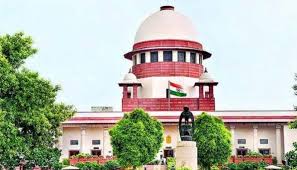
NEW DELHI — In a landmark decision that has sent ripples through India’s healthcare landscape, the Supreme Court ruled in early May 2026 that medical negligence proceedings do not expire upon the death of a practitioner. The judgment allows such claims to continue against a deceased doctor’s legal heirs, reigniting a fierce national debate over the balance between patient rights and the rise of “defensive medicine.”
While the ruling provides a legal pathway for aggrieved patients to seek closure, it has also triggered a wave of anxiety across the medical fraternity. Organizations representing physicians warn that the prospect of legal battles following them—and their families—beyond the grave could fundamentally alter how medicine is practiced in India.
The Core of the Verdict: Estate vs. Individual
The case originated from a consumer dispute involving an eye surgery that allegedly resulted in a total loss of vision. When the accused surgeon passed away during the litigation process, the question arose: does the claim die with the doctor?
The Supreme Court answered with a definitive “no.” The bench clarified that legal representatives can be impleaded in ongoing proceedings to ensure the claim is adjudicated. However, the Court established a critical safeguard:
-
Limited Liability: Legal heirs are not personally liable for the alleged negligence.
-
Estate-Based Recovery: Any compensation awarded by the court can only be recovered from the deceased doctor’s estate—the assets and property left behind—under the relevant succession framework.
“The distinction is paramount,” notes legal analyst Adv. Rohan Mehra, who specializes in healthcare law. “The court isn’t punishing the family for the doctor’s actions; it is ensuring that the financial obligations of a professional practice are met by the assets of that practice or the practitioner’s estate.”
The “Defensive Medicine” Dilemma
Despite the legal nuances, medical associations are voicing grave concerns. The primary fear is that this ruling will accelerate the trend of defensive medicine—a practice where doctors order unnecessary tests, avoid high-risk procedures, or over-refer patients to specialists primarily to create a “paper trail” for legal protection.
“For a young surgeon, the stakes just got higher,” says Dr. Ananya Sharma, a critical care specialist not involved in the case. “If a complicated surgery goes south, we now have to consider that a legal shadow could hang over our families long after we are gone. This naturally pushes practitioners toward the safest, most risk-averse path, which isn’t always the best path for the patient.”
The psychological burden of “legal anxiety” is cited as a major factor. Doctors in emergency medicine and trauma care—fields where “bad outcomes” are statistically more likely despite best efforts—feel particularly vulnerable.
The Patient Safety Reality Check
While doctors express concern over litigation, global and domestic data highlight why accountability mechanisms remain a public health necessity. According to the World Health Organization (WHO), patient harm is a significant global burden:
-
Diagnostic Errors: Occur in 5% to 20% of physician-patient encounters.
-
Medication Harm: Affects 1 in every 30 patients globally.
-
Preventable Harm: Surgical errors and hospital-acquired infections remain leading causes of avoidable injury.
Patient advocacy groups argue that the Supreme Court’s ruling prevents a “justice vacuum.” Without the ability to pursue a claim against an estate, a family that has lost a breadwinner or incurred massive disability costs due to proven negligence would be left without any financial recourse if the doctor happens to pass away during a decade-long trial.
Navigating the Legal Standard
Indian law traditionally sets a high bar for proving medical negligence. Under the established “Bolam Test” and subsequent Indian precedents, a doctor is not negligent simply because a treatment failed or a better alternative existed. They are negligent only if their conduct fell below the standard of a reasonably competent practitioner in that field.
Comparison of Medical Outcomes vs. Legal Negligence
| Scenario | Likely Legal View |
| Unavoidable Complication | Not Negligence: Recognized risk explained in consent. |
| Error of Judgment | Not Negligence: If a “respectable body” of medical opinion would agree. |
| Breach of Duty | Negligence: Failure to follow standard protocols or gross carelessness. |
Practical Implications for the Public
For the average citizen, this ruling reinforces the importance of transparency in the doctor-patient relationship.
For Patients:
-
Continuity of Claims: A legal pursuit for justice is no longer tied strictly to the lifespan of the practitioner.
-
Informed Consent: It highlights the need for patients to fully understand risks before procedures, as documented consent is a primary defense in court.
For Healthcare Providers:
-
Rigorous Documentation: Clear, chronological medical records are the strongest shield against negligence claims.
-
Professional Indemnity: Doctors are increasingly looking at insurance policies that specifically cover estate-based liabilities.
Limitations and the Road Ahead
Critics of the ruling argue that it may lead to a “litigation fatigue” in the healthcare system, potentially driving up the cost of care as doctors pass on the costs of extra tests and higher insurance premiums to patients. Furthermore, there is a lack of empirical data on whether such rulings actually improve patient safety or merely increase the volume of paperwork.
The medical fraternity continues to lobby for a specialized medical tribunal to handle such cases, arguing that consumer courts may not always grasp the clinical complexities of high-stakes medicine.
As the legal landscape evolves, the goal remains a “middle path”: a system where patients are protected from genuine malpractice, but doctors feel empowered to take the calculated risks necessary to save lives.
Reference Section
- https://medicaldialogues.in/news/health/doctors/medical-fraternity-raises-concern-over-sc-verdict-allowing-negligence-claims-against-doctors-legal-heirs-170148
Medical Disclaimer: This article is for informational purposes only and should not be considered medical advice. Always consult with qualified healthcare professionals before making any health-related decisions or changes to your treatment plan. The information presented here is based on current research and expert opinions, which may evolve as new evidence emerges.