 0
0
 0
0
NEW DELHI — In a move that has sent shockwaves through India’s medical education landscape, the long-debated transition of the National Eligibility cum Entrance Test (Undergraduate), or NEET-UG, to a computer-based test (CBT) has once again hit a stalemate. Despite the high-stakes 2026 examination being marred by fresh allegations of digital leaks and subsequent cancellation, the Ministry of Education and the Ministry of Health remain at an impasse over how to modernize the country’s largest medical entrance gateway.
The National Testing Agency (NTA), which oversees the exam for over 2.2 million aspirants, has faced a deluge of criticism after reports surfaced that “guess papers” were circulated via encrypted messaging apps like WhatsApp and Telegram. While the NTA has historically defended its pen-and-paper format, the 2026 crisis has reignited the urgent question: Can India move its medical admissions online without leaving its most vulnerable students behind?
The Digital Paradox: Security vs. Equity
The push for a Computer-Based Test is not new; discussions have been ongoing since 2018. Proponents, including the Ministry of Education, argue that a CBT model would eliminate the primary vulnerability of the current system: the physical transport and storage of question papers.
“The old-school mode of pen-and-paper examination is the weak link in the chain,” says Dr. Rajeev Jayadevan, a clinician and healthcare advocate. “The question paper has to be physically printed, stored, and transported to thousands of centers. Each is a point of vulnerability. In a digital format, distribution is encrypted and randomized, making a single, widespread leak far more difficult.”
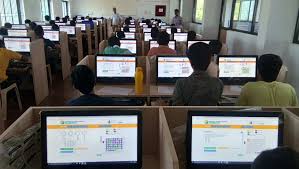
However, the National Medical Commission (NMC) and the Union Health Ministry have consistently flagged significant logistical and social barriers. Unlike the JEE Main (for engineering), which serves roughly 1.3 million students and is conducted over multiple sessions, NEET-UG involves over 2.2 million candidates. To shift this volume to computers, experts estimate the exam would need to be spread across 20 to 30 shifts over a month, requiring dozens of unique but “normalized” question papers to ensure fairness.
Key Challenges in the 2026 Landscape
The current delay is rooted in three primary concerns that continue to stall the 2026 rollout:
-
The Digital Divide: While urban students are increasingly tech-savvy, a significant portion of NEET aspirants from rural India have limited access to high-speed internet and computer-based testing environments.
-
Normalization Complexity: When an exam is held over multiple days, the difficulty levels of papers can vary. Statistical “normalization” is used to level the playing field, but this process often leads to legal disputes and public distrust regarding “rank inflation.”
-
Infrastructure Deficit: Reports indicate the NTA currently has a CBT capacity of roughly 150,000 students per day. Scaling this to 2.2 million would require a massive investment in secure testing centers, which a 2024 tender failed to finalize.
Public Health Stakes: Beyond the Examination Hall
This debate is more than an administrative hurdle; it is a public health concern. NEET-UG is the sole pipeline for India’s future physician workforce. When the sanctity of the exam is compromised, it risks eroding public trust in the medical profession itself.
“This is not merely an administrative failure,” notes Dr. Lakshya Mittal, Chairperson of the United Doctors Front. “It is a story about who gets to become a doctor in India. If paper-leak beneficiaries enter medical schools, it poses a long-term risk to the quality of the nation’s healthcare.”
The repeated cancellations and delays also take a significant mental toll on students. The 2026 re-test forces 22 lakh aspirants to restart their preparation cycles, potentially delaying the entire academic session for first-year MBBS students and further straining an already overburdened healthcare training system.
Expert Commentary: No “Silver Bullet”
Medical education experts warn that simply changing the format will not solve the deeper systemic issues.
“Switching the exam mode alone is not a cure-all,” says Dr. Ranga Reddy Burri, President of the Infection Control Academy of India. “If the system moves online, it must also guarantee stable infrastructure, transparent scoring, and rapid grievance redressal. The real challenge is building a system that is secure, inclusive, and transparent enough to withstand public scrutiny.”
Recent investigations by the Rajasthan Police’s Special Operations Group (SOG) suggest that even “digital” leaks are evolving, with handwritten questions being photographed and circulated. This suggests that while a CBT model reduces physical risks, it introduces new cybersecurity threats that require a “zero-error” policy.
What to Watch Next
As the Ministry of Education weighs its options for the 2027 cycle, a “hybrid model” is being explored. This would involve digitally transmitting question papers to centers at the last minute, while students still mark their answers on physical OMR sheets. This could serve as a middle ground, reducing transport risks while maintaining the single-day, single-paper format that ensures ease of normalization.
For now, the 2026 aspirants remain in limbo, waiting for a re-examination date and a clear roadmap for a system that can finally balance the demands of modern security with the necessity of rural access.
Reference Section
- https://health.economictimes.indiatimes.com/news/education/from-2018-to-2026-the-battle-to-move-neet-ug-online-that-india-keeps-losing/131093063?utm_source=latest_news&utm_medium=homepage
Medical Disclaimer: This article is for informational purposes only and should not be considered medical advice. Always consult with qualified healthcare professionals before making any health-related decisions or changes to your treatment plan. The information presented here is based on current research and expert opinions, which may evolve as new evidence emerges.