0
0
 0
0
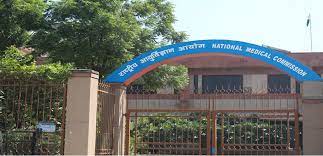
DATIA, MADHYA PRADESH — A volatile confrontation at Datia Medical College on May 12, 2026, has reignited a national conversation regarding the fragile safety ecosystem within Indian government hospitals. What began as a dispute over patient care in an orthopaedic ward quickly spiraled into allegations of assault, illegal confinement, and a harrowing suicide attempt, highlighting the systemic stressors that continue to plague the country’s healthcare infrastructure.
While local authorities confirmed that both parties—junior doctors and a patient’s relative—eventually reached a “compromise” by labeling the event a misunderstanding, public health experts warn that such incidents are symptoms of a deeper, more dangerous malaise in the healthcare sector.
The Anatomy of a Crisis: What Happened in Datia
The conflict erupted when Pradeep Pal, attending to his uncle’s treatment, engaged in a heated argument with junior doctors regarding the quality or timing of care. According to family allegations, the situation turned physical when several doctors reportedly assaulted Pal and locked him in a duty room for nearly an hour. During this period of confinement, Pal allegedly attempted to end his life using a window curtain. He was only rescued after police intervention forced the room open.
Conversely, the hospital administration presented a starkly different narrative. Officials claimed the attendant initiated the violence by attempting to attack medical staff with a stool, prompting the doctors to file a police complaint. Following mediation by the medical superintendent, the legal proceedings were halted as both sides agreed to settle the matter.
A Global Epidemic of Healthcare Violence
The Datia episode, while localized, mirrors a staggering global trend. The World Health Organization (WHO) estimates that between 8% and 38% of health workers suffer physical violence at some point in their careers. Beyond physical harm, a much larger percentage is subjected to verbal abuse and threats.
In India, the situation is particularly acute in tertiary care government centers. A 2023 systematic review published in the National Journal of Community Medicine identified that verbal violence remains the most pervasive form of aggression in Indian hospitals. The study cited several recurring risk factors:
-
Excessive waiting times for procedures and consultations.
-
Infrastructure deficiencies that lead to overcrowding.
-
Communication gaps between stressed staff and anxious families.
Expert Analysis: Systemic Stress vs. Individual Behavior
Medical safety experts argue that focusing solely on the “guilt” of individuals in these clashes misses the forest for the trees. Violence in healthcare is often a “systemic failure” rather than a purely criminal one.
“When you have one doctor managing a ward meant for sixty patients, the communication lines are bound to fray,” says a public health consultant not involved in the Datia case. “Violence often triggers when a family’s high expectations meet a system’s low capacity. Without de-escalation training and visible security, these flashpoints are inevitable.”
The National Medical Journal of India has previously noted that many of these episodes are preventable. Their research suggests that “trigger events”—such as the sudden delivery of bad news or a delay in surgery—can be managed through specialized communication protocols, preventing them from escalating into physical brawls.
Public Health Implications: A Lose-Lose Scenario
The consequences of hospital violence extend far beyond the immediate victims. For the public, these clashes disrupt the delivery of life-saving care. When a ward becomes a crime scene, treatments are delayed, and the psychological safety of other patients—who are already in a state of vulnerability—is compromised.
For healthcare providers, the “Datia effect” leads to:
-
Burnout and Attrition: Increased fear leads to decreased job motivation.
-
Defensive Medicine: Doctors may become hesitant to take on high-risk cases for fear of being blamed for poor outcomes.
-
Quality Erosion: A distracted, fearful staff is more prone to clinical errors.
The Challenge of “Compromise” and Reporting
One of the primary limitations in addressing hospital violence is the lack of transparent data. As seen in the Datia case, many incidents end in a “compromise” or “misunderstanding” to avoid lengthy legal battles. While this provides immediate peace, it often prevents a formal investigation into the root causes, leaving the underlying systemic issues unaddressed.
Furthermore, the rise of “social media justice” presents a double-edged sword. While viral videos can bring attention to misconduct, they often lack the context of what happened before the camera started rolling, potentially skewing public perception and further eroding trust between the community and medical professionals.
Actionable Takeaways for Patients and Families
Navigating a high-stress hospital environment requires patience and a proactive approach to communication. To avoid escalations:
-
Identify the Chain of Command: If you feel a concern is not being addressed, do not confront the immediate staff. Request to speak with the Chief Medical Officer (CMO), the Medical Superintendent, or visit the Patient Relations/Grievance Desk.
-
Ask for Clarification Early: Frustration often stems from uncertainty. Ask for a clear timeline for tests or procedures to manage expectations.
-
Recognize the Signs of Stress: Understand that in government settings, doctors are often working 24-hour shifts. Approaching communication with a collaborative rather than adversarial tone often yields better clinical results.
For hospitals, the path forward involves implementing WHO-recommended safety measures, including restricted public movement in critical areas, mandatory de-escalation training for junior staff, and the installation of emergency “panic buttons” in high-risk wards.
The Datia Medical College incident is a sobering reminder that a hospital should be a place of healing, not a battlefield. Until systemic pressures are alleviated and communication is prioritized, the safety of both those who provide care and those who receive it remains at risk.
Medical Disclaimer: This article is for informational purposes only and should not be considered medical advice. Always consult with qualified healthcare professionals before making any health-related decisions or changes to your treatment plan. The information presented here is based on current research and expert opinions, which may evolve as new evidence emerges.
References
-
Free Press Journal. “Attendant Tries To End Life After Dispute With Junior Doctors In Datia Medical College.” Published May 12, 2026.