 0
0
 0
0
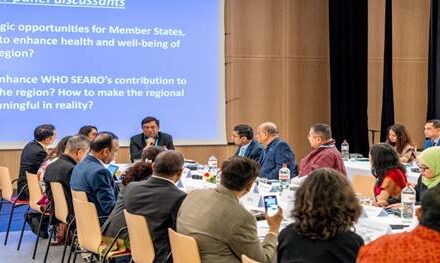
MADRID, Spain — Facing a public health crisis that claims over a million lives each year, top international health and transportation officials convened in Madrid on June 25, 2026, to forge a united front against the global epidemic of road traffic injuries. The historic first joint summit brought together road safety leaders from 22 nations, spearheaded by the World Health Organization (WHO), the Pan American Health Organization (PAHO), and the Ibero-American Road Safety Observatory (OISEVI).
The emergency meeting arrives at a critical juncture. According to current WHO data, road traffic collisions remain a leading global killer, causing nearly 1.2 million deaths annually and leaving between 20 million and 50 million people with life-altering, severe injuries. The sudden surge in regional cooperation is primarily fueled by a dramatic, disproportionate spike in motorcycle fatalities, which now represent the largest single category of traffic deaths worldwide. By linking the Global Road Safety Leaders Network with OISEVI’s peer-learning platform, officials hope to bridge the gap between abstract policy and concrete, life-saving field enforcement.
A Surge in Icy Statistics: The Two-Wheeled Epidemic
The primary driver behind the Madrid summit is the shifting demographic of road trauma. For decades, passenger vehicle occupants constituted the majority of traffic casualties. Today, that reality has flipped.
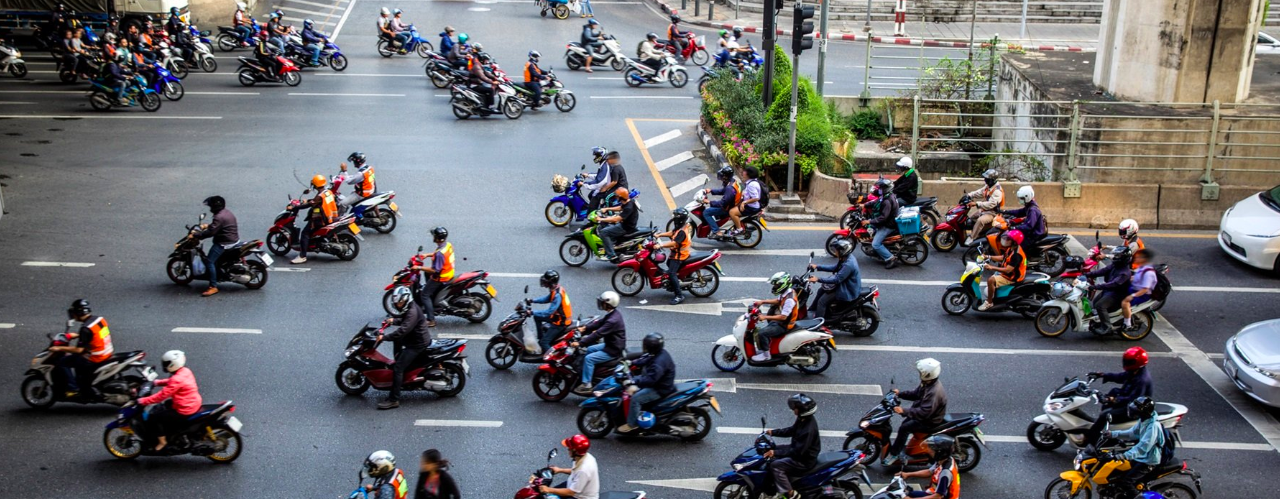
Data presented at the conference revealed that the global motorcycle fleet has tripled since 2011. This rapid shift in how citizens move—driven by urban density, economic factors, and the explosive growth of the app-based delivery economy—has outpaced existing infrastructure and legal frameworks. In the Ibero-American and Caribbean regions, motorcyclists accounted for a staggering 42% of all road deaths in 2024.
Regional Road Deaths (Ibero-America, 2024)
==============================================
[█████████████████░░░░░░░░░░░░░░░░░░░░░░] 42% Motorcyclists
[████████████████████████░░░░░░░░░░░░░░░] 58% Other Road Users
From a medical perspective, the clinical consequences of this shift are profound. Unlike occupants shielded inside modern cars equipped with crumple zones and airbags, motorcyclists absorb the direct physical impact of a crash. Emergency departments across the Americas report an overwhelming influx of complex trauma cases stemming from two-wheeler collisions, specifically:
-
Traumatic Brain Injuries (TBIs): The leading cause of death and long-term cognitive disability in riders.
-
Complex Orthopedic Fractures: Open fractures of the lower extremities requiring multiple surgeries and prolonged hospital stays.
-
Polytrauma: Severe systemic injuries that permanently drain healthcare resources and strip young, working-age individuals of their livelihoods.
Moving from Policy to Action: The Three Pillars
To counteract these grim metrics, the delegates advanced the Ibero-American Strategic Framework for Safe Mobility 2030. Rather than relying on vague declarations, the coalition finalized three highly practical regulatory instruments designed to standardize safety across international borders:
-
The Ibero-American Safe Mobility Index: A new benchmarking tool, developed in partnership with the Ibero-American Federation of Victims against Road Violence (FICVI) and the International Road Assessment Programme (iRAP). Modeled after the Human Development Index, this framework tracks national safety outcomes and institutional capacities without serving as a punitive ranking system.
-
Harmonized Driving Licenses: Progressive regional standardization of licensing requirements, ensuring that operators of high-powered or commercial delivery motorcycles undergo rigorous, graduated testing before gaining road access.
-
Unified Evidence-Based Road Rules: A regional convergence around strict minimum standards regulating speed limits, alcohol consumption, distracted driving, seat belt compliance, and mandatory helmet specifications.
“Today’s meeting is about strengthening political leadership to drive real-world progress,” noted Dr. Etienne Krug, Director of the Department for Health Determinants, Promotion and Prevention at the WHO. “It marks a bridge between the technical and political, regional and global efforts. Strong political leadership can ensure effective measures are actioned, such as safe speed limits, motorcycle safety regulations, safe infrastructure and vehicles, laws, enforcement, emergency care, and sustainable financing.”
The Institutional Challenge: Keeping Road Safety Focused
A key theme echoing through the halls of the Madrid conference was the structure of the agencies tasked with keeping people safe. As cities push toward greener initiatives, road safety is increasingly bundled into broader urban planning, climate change, and green mobility portfolios.
Independent experts warn that this consolidation can dilute the urgent, life-saving focus required to reduce trauma. Dr. Matt-Åke Belin, the WHO’s Global Lead for the Decade of Action, drew on successful national frameworks from Andorra, Costa Rica, Spain, and Uruguay to outline what makes a road safety agency effective.
“Effective leadership requires a clear mandate, sufficient institutional rank, stable resources, reliable data, and strong links with police and enforcement,” Dr. Belin stated, warning that integrating road safety into wider environmental or urban agendas must not obscure the immediate mission of preventing human carnage.
Independent public health analysts emphasize that traffic management cannot be treated as an educational or behavioral problem alone. Instead, a “Safe System” approach recognizes that humans naturally make errors. Therefore, the infrastructure—such as self-enforcing road designs, physical barriers, and lower speed limits—must be engineered to forgive those mistakes, absorbing kinetic energy so that a simple human error does not result in a fatal medical outcome.
The Road Ahead: The 2030 Public Health Targets
The Madrid meeting serves as a regional springboard for two upcoming global diplomatic milestones: the United Nations High-Level Meeting on Road Safety in New York (July 20–21, 2026) and the Ibero-American Summit of Heads of State and Government (November 4–5, 2026).
All of these efforts feed into the overarching UN Decade of Action for Road Safety 2021–2030, which has set an ambitious target to cut global road traffic deaths and serious injuries by 50% by the end of the decade.
Implementation Limits and Unanswered Questions
Despite the optimistic tone of the joint communique, seasoned health journalists and policy analysts note several structural limitations. The agreements reached in Madrid are framework documents, not binding treaties. The WHO notice does not provide country-by-country clinical trial data, specific mortality trends, or explicit funding guarantees. Furthermore, the timeline for exactly how quickly the 22 participating nations will implement the new Safe Mobility Index remains ambiguous. Ultimately, diplomatic alignment means very little if local police forces fail to enforce helmet laws, or if cash-strapped governments delay critical infrastructure upgrades.
What This Means for Your Daily Health
For the everyday reader, the takeaway from the Madrid summit is clear: traffic safety is an active pillar of preventative medicine, not an unchangeable reality of modern transit.
If you or your family members ride a motorcycle, using a certified, securely fastened helmet, adhering strictly to speed limits, and avoiding distracted riding are the most potent tools available to prevent sudden, catastrophic trauma. Furthermore, as the gig economy expands, consumers should support delivery platforms that actively mandate workplace safety regulations and fair scheduling for their riders, reducing the economic pressure that forces delivery workers to take fatal risks on the road.
Medical Disclaimer
Medical Disclaimer: This article is for informational purposes only and should not be considered medical advice. Always consult with qualified healthcare professionals before making any health-related decisions or changes to your treatment plan. The information presented here is based on current research and expert opinions, which may evolve as new evidence emerges.
References
-
World Health Organization (WHO). “Ibero-American road safety leaders strengthen cooperation.” WHO Global Newsroom. Published July 2, 2026. [Ref: WHO/OISEVI Meeting Notice].