 0
0
 0
0
Published: May 15, 2026
NEW DELHI — In a decisive move to restore the sanctity of India’s medical gateway, the Union Government is currently evaluating a “hybrid” examination model for the National Eligibility cum Entrance Test (Undergraduate), or NEET-UG. This shift comes in the immediate wake of the cancellation of the May 2026 exam following fresh paper-leak scandals that left nearly 2.4 million medical aspirants in limbo. The proposed framework aims to merge digital security with traditional pen-and-paper testing, creating a “middle path” designed to eliminate the vulnerabilities of physical transport and long-term storage of question papers.
A New Blueprint for Entrance Security
The National Testing Agency (NTA), under heavy scrutiny following a referral of the 2026 irregularities to the Central Bureau of Investigation (CBI), is exploring what officials describe as a “computer-assisted secure paper-based test.”
Under this model, the era of transporting sealed trunks of question papers across the country via trucks and trains—a process prone to interception—would end. Instead, encrypted digital files would be transmitted to high-security servers at designated regional hubs or exam centers just hours before the commencement of the test. These papers would then be printed locally under strict surveillance and biometric protocols.
“The objective is to reduce the ‘surface area’ for potential leaks,” says a senior official familiar with the deliberations. “By keeping the paper in a digital, encrypted vault until the very last moment, we eliminate the days-long window where physical copies are traditionally vulnerable at printing presses or bank vaults.”
The Science of the Shift: Why Hybrid?
While many competitive exams in India, such as the JEE (Main) for engineering, have transitioned to a fully Computer-Based Test (CBT) format, NEET-UG presents a unique logistical challenge.
-
Scale: With over 20 lakh (2 million) candidates, the sheer volume of high-quality computer terminals required simultaneously across the country exceeds current infrastructure limits.
-
Equity: A sudden shift to CBT could disadvantage students from rural areas who may have less familiarity with digital testing interfaces.
-
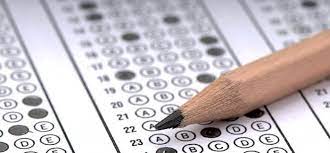
The Compromise: The hybrid model allows students to continue using the OMR (Optical Mark Recognition) sheets they are trained for, while the back-end delivery system receives a 21st-century digital upgrade.
Key Features of the Proposed Reform:
-
Encrypted Transmission: End-to-end encryption for question paper delivery.
-
AI-Based Authentication: Utilizing artificial intelligence to verify candidate identity via biometrics at the center.
-
Local Printing Ecosystem: Secure, high-speed printing units installed at centers to generate physical papers just-in-time.
Expert Perspectives: A Crisis of Trust
The fallout from the 2026 cancellation has resonated deeply within the medical community. Beyond the administrative headache, there is a growing concern regarding the psychological and systemic impact on the nation’s future healthcare workforce.
“Exam integrity is not just an administrative metric; it is a fundamental pillar of patient safety,” says Dr. Arvinth Kumar, a medical education consultant not involved in the government panel. “If the entry point into the medical profession is perceived as corruptible, it erodes the public’s trust in the doctors who eventually graduate from that system. We need a ‘zero-failure’ architecture.”
The Federation of All India Medical Association (FAIMA) has been vocal in its skepticism of piecemeal reforms. In a recent petition to the Supreme Court, the body argued that while digital delivery is a step forward, the entire testing ecosystem—including the outsourcing of invigilation and center management—requires a complete overhaul.
Public Health Implications: The “Hidden” Toll
For a health-conscious public, the NEET-UG crisis is more than a news headline; it is a public health concern. The uncertainty surrounding the exam creates a “cascading stress” effect on millions of young adults.
-
Mental Health: Persistent delays and the trauma of cancellations contribute to heightened anxiety and burnout among the 17–19 age demographic.
-
Workforce Pipeline: Delays in the entrance exam inevitably lead to delays in the academic calendar, potentially stalling the entry of thousands of new junior doctors into the healthcare system four to five years down the line.
-
Socioeconomic Strain: For families, especially those from lower-income backgrounds, the cost of extended coaching and re-traveling to exam centers represents a significant financial burden.
Limitations and Potential Risks
Despite the optimism surrounding the hybrid model, technical experts warn that digital systems are not a panacea.
“Moving from physical trunks to digital servers simply changes the nature of the threat,” explains Dr. S. Radhakrishnan, a cybersecurity analyst. “You move from the risk of a physical break-in to the risk of a server hack or an ‘insider job’ at the digital distribution point.”
Furthermore, the “local printing” aspect introduces new variables:
-
Technical Failure: What happens if a printer jams or a local server loses power in a remote district?
-
Consistency: Ensuring that 2.4 million copies printed across thousands of locations maintain identical formatting and legibility.
What Candidates and Parents Need to Know
As the government weighs the recommendations of the high-level committee led by former ISRO chief K. Radhakrishnan, the current guidance for candidates remains focused on preparation and vigilance.
-
Stay Informed: Rely exclusively on official notifications from the NTA website (nta.ac.in). Avoid “leaked” materials circulating on social media, which are often scams.
-
Prepare for Change: While the OMR format likely remains, students should be mentally prepared for stricter biometric checks and potentially different center environments.
-
Focus on Fundamentals: Regardless of the delivery method, the curriculum remains unchanged.
The transition to a hybrid model signals a recognition that the status quo is no longer tenable. As India seeks to protect its medical aspirants, the success of this model will depend not just on the strength of the encryption, but on the transparency of the institutions managing it.
References
- https://health.economictimes.indiatimes.com/news/education/neet-ug-hybrid-exam-model-under-study-after-repeated-paper-leak-rows/131080202?utm_source=top_story&utm_medium=homepage
Medical Disclaimer: This article is for informational purposes only and should not be considered medical advice. Always consult with qualified healthcare professionals before making any health-related decisions or changes to your treatment plan. The information presented here is based on current research and expert opinions, which may evolve as new evidence emerges.