 0
0
 0
0
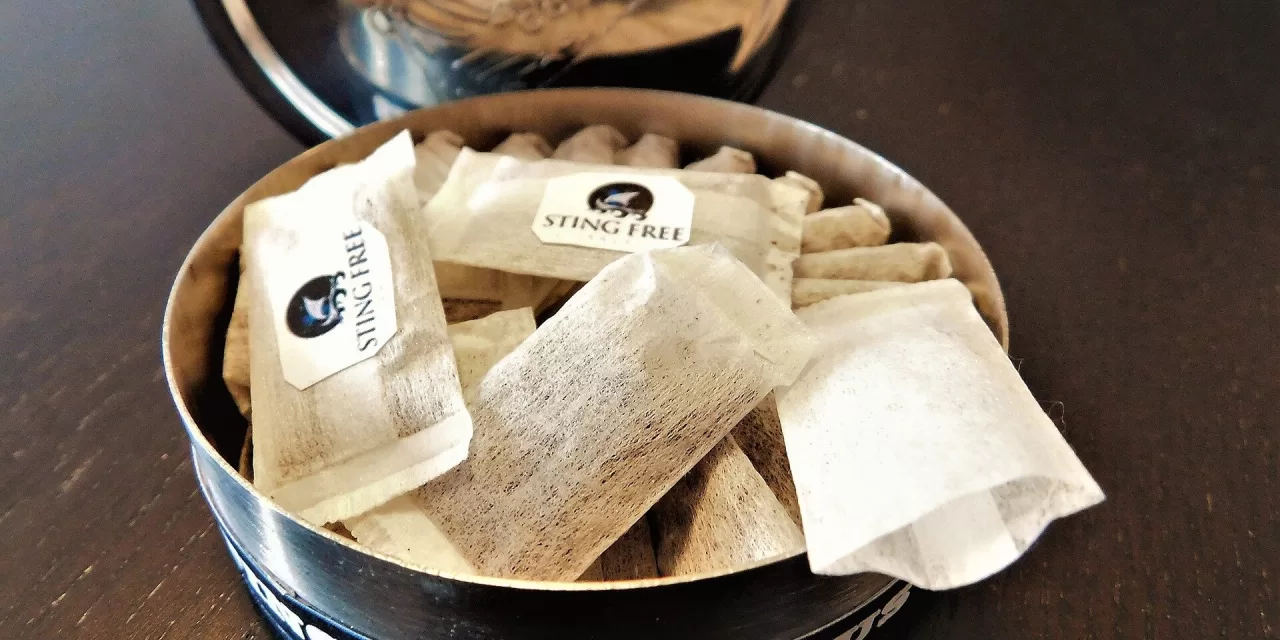
NEW DELHI — A quiet but rapid shift is occurring in the global nicotine landscape, and it has arrived on India’s doorstep. Nicotine pouches—small, white, tobacco-free sachets placed discreetly between the gum and lip—have surged in global sales, raising fresh public health alarms over youth addiction, high nicotine dosing, and unregulated digital marketing both in India and abroad. As these products slip through regulatory loopholes, public health advocates and medical professionals are issuing an urgent call to action before a new generation becomes dependent on chemical nicotine.
The Global Explosion and India’s Hidden Market
Nicotine pouch sales have exploded worldwide over the last few years. The trend recently prompted the World Health Organization (WHO) to issue a global warning regarding the rapid uptake of these products among adolescents. Response from the international community has been swift; several countries, including France, have moved to completely ban or tightly restrict oral nicotine pouches amid growing concerns that they recruit entirely new, young users rather than serving as a off-ramp for adult smokers.
In India, the threat is no longer theoretical. State drug regulators and health activists have flagged a worrying rise in illegal online sales and grey-market availability. Investigations by state authorities have identified pouches circulating with nicotine concentrations that far exceed the therapeutic levels permitted in approved smoking-cessation aids like nicotine gums or patches.
What the Evidence Shows: High Doses and Clever Marketing
Available clinical and regulatory reporting reveals that nicotine pouches deliver the drug rapidly across the oral mucosa. Biochemically, many of these sachets contain a nicotine payload equal to, or significantly greater than, a single combustible cigarette. This high concentration drastically escalates the risk of chemical dependence and associated cardiovascular and neurological harms, particularly in developing adolescent brains.
Public health bodies emphasize that the industry’s playbook relies heavily on:
-
Aggressive Flavouring: Options like mint, berry, and dessert flavours mask the harsh taste of nicotine.
-
Social Media Marketing: The heavy use of digital influencers normalizes the product as a lifestyle accessory.
-
Discreet Formats: The candy-like, smokeless design allows for undetectable use in classrooms and public spaces.
These tactics threaten to undermine decades of hard-won tobacco-control gains across developing nations.
Expert Perspectives: A Growing Regulatory Void
Medical professionals watching the trend unfold express deep concern over the lack of oversight.
“Nicotine is a highly addictive, pharmacologically active drug. High-dose, unregulated pouches pose a clear and present addiction risk to youth,” warns Dr. Sanjay Sen, a public health specialist based in New Delhi who is not affiliated with the tobacco or nicotine industry. “We cannot afford a laissez-faire approach to market access. Waiting for long-term epidemiological data before we regulate means allowing our youth to become the test subjects.”
Clinicians in southern India have similarly flagged pouches being sold under multiple brand names through e-commerce platforms and niche retail outlets. They warn that these unapproved products are currently being distributed without the mandatory drug manufacturing and distribution licenses required by the Central Drugs Standard Control Organisation (CDSCO).
Context and Background: Contesting the Legal Landscape
Nicotine pouches belong to a broader family of non-combustible alternatives that includes snus (which contains tobacco), nicotine gums, and e-cigarettes. However, unlike licensed nicotine-replacement therapies (NRTs) that are strictly regulated as medicines to help people quit smoking, many pouches are positioned strictly as consumer lifestyle products. This allows manufacturers to systematically evade the stringent regulatory frameworks governing medicinal nicotine.
India’s legal stance on these products remains highly contested. According to monitoring organizations like the Global State of Tobacco Harm Reduction (GSTHR), while some regional jurisdictions have instituted outright prohibitions, tracking groups continue to identify active sales and online listings. This discrepancy has forced state entities, such as the Tamil Nadu Drugs Control Directorate, to step in, issuing show-cause notices and public warnings to clamp down on unauthorized distributors.
Public Health Implications: The Threat of Dual Use
The primary public health concern regarding the proliferation of white sachets is twofold:
                  ┌──────────────────────────────────────────────┐
                  │      The Twofold Public Health Concern       │
                  └──────────────────────┬───────────────────────┘
                                         │
                    ┌────────────────────┴────────────────────┐
                    ▼                                         ▼
┌──────────────────────────────────────┐   ┌──────────────────────────────────────┐
│ Creation of a new generation of      │   │ Unregulated, high-dose consumer      │
│ nicotine-dependent young people via  │   │ products increasing the overall      │
│ youth-centric marketing & flavours.  │   │ population exposure to nicotine.     │
└──────────────────────────────────────┘   └──────────────────────────────────────┘
There is also a significant risk of “dual use.” If smokers adopt pouches to satisfy cravings in smoke-free zones rather than quitting entirely, overall population nicotine exposure rises, and public health gains collapse. International regulatory hesitancy—such as the U.S. Food and Drug Administration’s (FDA) highly cautious, prolonged approach to reviewing these products—reflects this deep scientific uncertainty regarding their net public health impact.
Limitations and Counterarguments
Proponents of nicotine pouches argue that because the products are tobacco-free and smokeless, they offer a significantly lower-harm alternative for adult smokers who are otherwise unable or unwilling to quit. From a harm-reduction perspective, they argue that if sales are strictly restricted to adults, pouches could theoretically reduce tobacco-related mortality.
However, independent clinical evidence proving that these products successfully reduce overall tobacco harm at a population level remains highly limited. Long-term safety data regarding the prolonged exposure of oral tissues to high-dose synthetic nicotine are sparse, making it impossible for public health authorities to endorse widespread availability without strict safeguards.
Policy Options for India
To prevent an epidemic of oral nicotine addiction, public health policy experts suggest India pursue a multi-pronged regulatory strategy:
-
Immediate Enforcement: Strengthen enforcement mechanisms against illegal online marketplaces and unlicensed brick-and-mortar retailers, scaling the proactive show-cause strategies pioneered by state drug directorates.
-
Product Classification: Explicitly classify nicotine pouches under existing drug laws or tobacco control legislation to strictly control nicotine ceilings, mandatory warning labels, and permissible sales channels.
-
Strict Marketing Bans: Prohibit youth-centric flavour profiles, digital influencer marketing, and lifestyle branding, while mandating plain packaging.
-
Point-of-Sale Age Verification: Implement rigorous age-gate checks for both digital and physical retail formats to eliminate adolescent accessibility.
Practical Advice for Readers
-
For Parents and Consumers: Treat nicotine pouches with the same caution as any other addictive substance. They are not harmless alternatives and carry a high potential for dependence. They should be strictly avoided by adolescents, young adults, and pregnant individuals.
-
For Healthcare Professionals: Clinicians should routinely screen patients for oral nicotine pouch use alongside traditional tobacco screening. Patients seeking to quit tobacco should be directed toward evidence-based, approved cessation tools (such as licensed NRT gums or patches) rather than unregulated consumer lifestyle products.
References and Sources
-
-
“The White Sachet: Why India Needs to Ban Nicotine Pouches Now,” Economic Times Health, July 1, 2026.
-
Medical Disclaimer: This article is for informational purposes only and should not be considered medical advice. Always consult with qualified healthcare professionals before making any health-related decisions or changes to your treatment plan. The information presented here is based on current research and expert opinions, which may evolve as new evidence emerges.