 0
0
 0
0
MADRID, SPAIN — Researchers in Spain and Switzerland have identified an experimental molecule called OLE that can “reprogram” the brain’s immune cells—microglia—to restore their protective function against Alzheimer’s disease. The study, published in June 2026 in the peer-reviewed journal Cell Death and Disease, showed that OLE treatment reduced toxic beta-amyloid plaque buildup and improved memory performance in animal models. This development marks a promising new therapeutic strategy for a neurodegenerative condition that affects an estimated 6.7 million people in India alone, illuminating a fresh path forward in a field long stymied by treatment limitations.
Restoring the Brain’s Natural Defenders
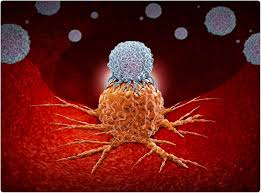
Alzheimer’s disease is pathologically characterized by the accumulation of beta-amyloid proteins, which clump together to form toxic plaques between neurons. In a healthy brain, microglia—the resident immune cells of the central nervous system—act as a cleanup crew. They protect the brain through phagocytosis, a process where cells engulf and digest cellular debris and toxic aggregates.
However, as Alzheimer’s progresses, chronic neuroinflammation triggered by pro-inflammatory proteins (cytokines) like TNF$\alpha$ and IFN$\gamma$ impairs these immune cells. The microglia become progressively sluggish and disabled, losing their ability to clear beta-amyloid and inadvertently contributing to bystander damage in surrounding brain tissue.
The new study, co-led by Dr. Jose Vicente Sanchez Mut of the Institute for Neurosciences in Alicante (a joint center of the Spanish National Research Council [CSIC] and Miguel Hernandez University [UMH]) and Dr. Johannes Gräff of the Ecole Polytechnique Fédérale de Lausanne (EPFL), focused on a molecule called OLE, which is naturally produced by the PM20D1 gene.
Rather than attempting to introduce external agents to destroy plaques, the team sought to jumpstart the brain’s native defense system.
Key Scientific Findings Across Multiple Models
To validate the therapeutic potential of OLE, the international research team deployed a tiered experimental framework spanning cell cultures, simple organisms, and complex mammal models:
-
Cell Culture Insights: In vitro experiments demonstrated that microglia treated with OLE regained their migratory drive. The cells actively moved toward beta-amyloid deposits and exhibited a heightened capacity to remove them.
-
Worm Models (C. elegans): Genetically modified roundworms designed to produce human beta-amyloid showed a significant reduction in protein aggregate buildup and demonstrated markedly improved physical movement following OLE treatment.
-
Mouse Models: Mice engineered to develop Alzheimer’s pathology were administered OLE over a three-month period. The treated mice displayed fewer beta-amyloid plaques and significantly out-performed untreated control mice in standardized memory and cognitive tests.
A critical piece of the puzzle came from single-cell RNA sequencing, which allowed researchers to analyze thousands of individual brain cells simultaneously.
“Single-cell analysis allowed us to determine that microglia were the cells that responded most strongly to the treatment,” noted Victoria Pozzi, first author of the study. “From there, we observed that the compound helped these cells move toward beta-amyloid plaques and better contain the damage associated with the disease.”
The treated microglia effectively built a physical barrier around the plaques. This containment mechanism isolated the toxic aggregates, dramatically reducing direct contact between the plaques and vulnerable neighboring neurons, which enhanced overall neuronal survival.
A Shift in the Therapeutic Landscape
The public health implications of a new therapeutic target are substantial. According to data compiled by ZipDo Education Reports, approximately 6.7 million individuals live with dementia in India, with 1.2 million new cases diagnosed annually.
For decades, available treatments like donepezil and memantine have only managed temporary symptoms without slowing underlying neurodegeneration. While recent years have seen the market entry of disease-modifying monoclonal antibody therapies—such as Leqembi® (lecanemab) and Kisunla™ (donanemab)—these treatments come with steep hurdles. They require regular intravenous infusions, carry high financial costs, and are associated with Amyloid-Related Imaging Abnormalities (ARIA), a side effect involving brain swelling or micro-bleeding that affected up to 24% of patients in clinical trials.
OLE presents a fundamentally different paradigm. By targeting the PM20D1-OLE pathway, researchers hope to achieve a dual benefit: clearing existing plaques through the body’s own re-engineered immune cells while directly shield-guarding neurons from toxic exposure, potentially with a lower risk of ARIA.
“One of the most significant findings is that we have identified a molecule capable of restoring microglia’s protective function,” explained Dr. Sanchez Mut, director of the Functional Epi-Genomics of Aging and Alzheimer’s Disease Laboratory. “In Alzheimer’s disease, these cells become progressively impaired. Our results suggest that this process can be reversed, pointing to new therapeutic and research avenues.”
Limitations and the Road to Clinical Trial
Despite the enthusiasm surrounding the study, independent neurological experts urge tempered expectations. The trajectory of Alzheimer’s drug development is notorious for “translational failure”—where molecules that perform miraculously in rodents fail to show efficacy or safety in humans.
Furthermore, the broader therapeutic rationale of clearing amyloid is undergoing heavy debate. A major Cochrane systematic review published in April 2026 concluded that the overall class effect of anti-amyloid antibody therapies on actual patient cognition is “trivial,” raising crucial questions about whether clearing plaques inherently preserves human memory.
Dr. Gräff’s laboratory at EPFL, noted for its extensive work on the epigenetic mechanisms of memory storage, emphasizes that much remains unknown. Future studies must determine safe dosing ranges, map long-term toxicological profiles, and discover whether OLE can interact beneficially with tau tangles—another primary hallmark of Alzheimer’s disease pathology. Additionally, researchers must evaluate whether this molecule can aid brains already suffering from moderate-to-severe stages of the disease, or if its utility is strictly confined to early intervention.
What This Means for Patients and Providers
For healthcare professionals, this research maps out an entirely new biochemical axis (PM20D1-OLE) for drug design, shifting focus away from external antibody clearance toward intrinsic immunomodulation.
For health-conscious consumers and families impacted by Alzheimer’s, the discovery underscores the rising medical consensus that microglial health is central to protecting the aging brain. While OLE is a highly experimental compound protected by European patents and is at least 10 years away from widespread clinical availability, current literature suggests that everyday habits—such as obtaining quality sleep, engaging in regular cardiovascular exercise, and consuming antioxidant-rich diets—help mitigate chronic neuroinflammation and support optimal microglial activity.
Medical Disclaimer
Medical Disclaimer: This article is for informational purposes only and should not be considered medical advice. Always consult with qualified healthcare professionals before making any health-related decisions or changes to your treatment plan. The information presented here is based on current research and expert opinions, which may evolve as new evidence emerges.
References
-
“Scientists reprogram brain immune cells to fight Alzheimer’s.” ScienceDaily, June 19, 2026.