 0
0
 0
0
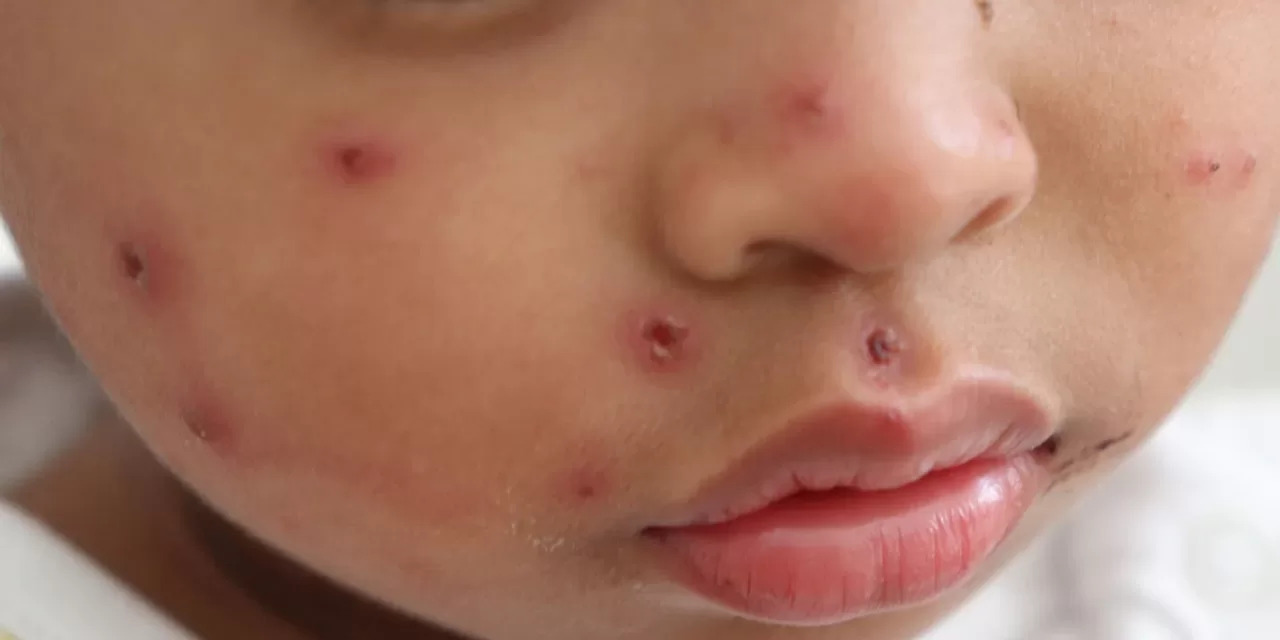
DHAKA, Bangladesh — A worsening measles outbreak in Bangladesh claimed the lives of seven more children over a 24-hour period, pushing the nation’s combined confirmed and suspected death toll to 677 since March 15, 2026. According to the latest data released by the Directorate General of Health Services (DGHS), six of the recent fatalities occurred in the capital city of Dhaka, with one reported in the southern division of Barishal. The rapid surge represents the deadliest measles crisis the South Asian nation has witnessed in decades, prompting emergency interventions from both local health authorities and international relief organizations.
The Scale of the Crisis: Tracking the Outbreak
The scale of the current outbreak has placed an unprecedented burden on the country’s healthcare infrastructure. Since mid-March, more than 102,700 children nationwide have been affected by the virus. DGHS surveillance reports indicate that 91,789 children have exhibited clinical symptoms of measles, with 10,949 cases officially confirmed through laboratory testing. Hospital registries show that 75,902 children required admission for symptom management, though clinical efforts have enabled 71,970 to recover and return home.
A closer look at the data reveals an unusually high case fatality rate that has alarmed epidemiological experts. While 93 deaths have been definitively linked to measles via laboratory confirmation, an additional 584 children died while presenting classic measles symptoms but without definitive laboratory verification. Taken together, the figures yield an overall case fatality rate of approximately 3.46% across all reported symptomatic cases. Among the laboratory-confirmed cohort alone, the fatality rate stands at 6.18%—a stark deviation from the 1% to 2% typically observed in developing nations during localized outbreaks.
Inside the Mortality Crisis: Complications and Vulnerabilities
Medical professionals note that the high mortality rate highlights severe vulnerabilities in the affected population, particularly regarding baseline health and access to timely medical intervention.
“The exceptionally high fatality rate we’re seeing in Bangladesh is alarming,” said Dr. Jason Bowling, an infectious disease expert at UT Health San Antonio, who is not involved in the local outbreak response. “In typical developing country settings, measles fatality rates range from 1-2%, but we’re seeing rates exceeding 6% for confirmed cases here. This suggests severe gaps in clinical management, likely compounded by malnutrition and delayed treatment access.”
According to clinical reports, children under five years of age constitute roughly 80% of the active cases, with the highest vulnerability concentrated among infants under nine months and children under two years old.
Dr. Bowling emphasized that the measles virus itself is rarely the direct mechanism of mortality. Instead, death typically results from severe secondary complications that exploit an immune system weakened by the virus. These complications include:
-
Pneumonia: The leading cause of measles-related mortality globally.
-
Severe Diarrhea: Leading to acute dehydration and electrolyte imbalances.
-
Encephalitis: An acute inflammation of the brain that can cause permanent neurological damage or death.
-
Secondary Bacterial Infections: Occurring when the epithelial barriers of the respiratory and digestive tracts are compromised.
When these complications strike children who are already undernourished or experiencing vitamin A deficiencies, their immune systems struggle to mount an adequate defense.
Reflecting on the scale of the emergency, Bangladesh Health and Family Welfare Minister Sardar Md Sakhawat Husain expressed gravity over the situation. “I am shocked by the death of so many children,” Husain stated. “Measles has emerged suddenly, but within a short time, we are now fully prepared to prevent measles.”
Background: Immunization Gaps and Systemic Challenges
Public health analysts point to a sharp drop in routine immunization coverage as the primary catalyst for the current crisis. Data from Bangladesh’s Expanded Programme on Immunization (EPI) indicates that the national coverage rate for the first dose of the measles vaccine plummeted to 57.1% in 2025, marking the lowest coverage rate the country has seen in eight years. Between 2017 and 2024, coverage for the measles-rubella (MR-1 and MR-2) vaccines remained stable at approximately 90%, but dropped below the 60% threshold over the last year.
Currently, the national average stands at 85% for the first dose and 82% for the second dose. While these figures reflect a partial recovery, they leave roughly 15% to 20% of the pediatric population entirely unprotected, creating a critical mass of susceptible individuals. The resulting transmission has spread across all eight administrative divisions of Bangladesh, affecting densely populated urban sectors as well as remote rural regions.
“The immunity gaps in recent birth cohorts, combined with declining routine immunization rates and vaccine supply constraints, created the perfect conditions for this explosive outbreak,” explained a World Health Organization (WHO) regional advisor currently supporting the response on the ground.
National Mobilization and Clinical Interventions
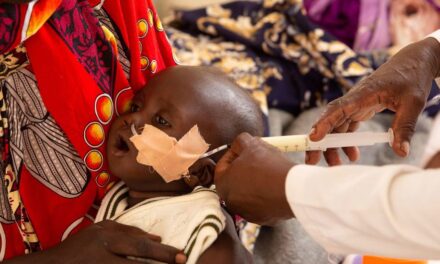
In response to the surge, the government of Bangladesh—in partnership with UNICEF, the WHO, and Gavi, the Vaccine Alliance—launched a massive emergency immunization campaign. The initiative targets children between the ages of 6 months and 59 months.
To date, the emergency campaign has successfully immunized more than 18.3 million children, achieving a nominal coverage rate of 102% relative to initial demographic estimates. In highly vulnerable zones, such as the Cox’s Bazar region and its associated Rohingya refugee camps, teams vaccinated over 166,000 children, reaching approximately 93.7% of the targeted local population.
Alongside preventative vaccination, healthcare networks are working to manage clinical cases despite significant logistical constraints. Hospitals continue to report shortages of dedicated isolation beds, trained diagnostic personnel, and laboratory testing reagents. In response, local health authorities have deployed medical surge teams and set up temporary triage centers. Specific interventions include the deployment of additional mechanical ventilators to high-burden zones, such as Rajshahi and Manikganj, alongside targeted training for nursing staff on respiratory support protocols.
Vitamin A Protocol
A cornerstone of the clinical management strategy is the administration of high-dose oral vitamin A, in accordance with standard WHO guidelines for areas with known or suspected micronutrient deficiencies. The protocol dictates:
-
Children over 1 year: 200,000 IU administered orally for two consecutive days.
-
Infants 6–11 months: 100,000 IU administered orally for two consecutive days.
Biomedical research indicates that serum retinol levels drop rapidly during an active measles infection, with lower levels directly correlating to increased disease severity. While clinical trials show that two days of high-dose vitamin A supplementation significantly reduces mortality and shortens the duration of measles-associated pneumonia, nutritional experts emphasize its limitations. Vitamin A serves as a vital supportive therapy to reduce complications, but it does not prevent infection and cannot replace the long-term immunity provided by vaccination. Furthermore, unmonitored overuse can lead to acute toxicity affecting the hepatic and central nervous systems.
Public Health Implications and Data Limitations
The situation in Bangladesh reflects a broader, more troubling global trend in infectious disease control. While global measles mortality dropped by an estimated 88% between 2000 and 2024, recent data indicates an 8% increase in estimated global cases compared to pre-pandemic baselines. In 2024 alone, approximately 95,000 individuals—mostly children—died from measles globally, with the vast majority of fatalities concentrated within the African and Eastern Mediterranean regions.
The current outbreak demonstrates how rapidly decades of public health progress can erode when routine immunization drops below the 95% herd immunity threshold. The standard two-dose Measles, Mumps, and Rubella (MMR) vaccine regimen remains highly effective, providing 97% protection against infection and delivering lifelong immunity for most individuals.
Limitations in Outbreak Surveillance
Independent epidemiological analysts note that the wide disparity between confirmed deaths (93) and suspected deaths (584) highlights critical limitations in the region’s diagnostic capacity. The high volume of unconfirmed cases suggests that many local health facilities lack the resources to perform definitive laboratory verification before a patient succumbs to complications. Consequently, the true biological footprint of the virus remains difficult to map precisely, leaving open the possibility that underlying co-morbidities or secondary infections are confounding the official data. Furthermore, while official statements suggest the outbreak is beginning to stabilize in certain early-hit districts, the steady flow of daily fatalities indicates that community transmission remains active across 56 of the nation’s 64 districts.
Practical Insights for Caregivers and Communities
For parents, caregivers, and international observers, the crisis offers several key takeaways regarding measles prevention and management:
-
Vaccination Schedule: The American Academy of Pediatrics recommends that children receive their first MMR dose between 12 and 15 months of age, followed by a second dose between 4 and 6 years of age.
-
Adult Protection: Unvaccinated adults who lack documented immunity should receive at least one dose of the vaccine, which provides roughly 93% protection; a second dose increases efficacy to 97%.
-
Recognizing Complications: Early signs of severe complications—such as rapid breathing, persistent high fever, severe diarrhea, or lethargy—require immediate medical evaluation rather than home isolation.
-
Supportive Care: While vitamin A is recommended as a complementary therapy under medical supervision in high-risk areas, maintaining proper hydration and monitoring for secondary bacterial infections remain critical components of recovery.
As global health agencies monitor the situation, the ongoing crisis serves as a stark reminder that measles remains a highly contagious and potentially lethal pathogen whenever immunization infrastructure falters.
Medical Disclaimer
Medical Disclaimer: This article is for informational purposes only and should not be considered medical advice. Always consult with qualified healthcare professionals before making any health-related decisions or changes to your treatment plan. The information presented here is based on current research and expert opinions, which may evolve as new evidence emerges.
References
- https://tennews.in/measles-outbreak-in-bangladesh-claims-seven-more-lives-death-toll-rises-to-677/