 0
0
 0
0
KATHMANDU, NEPAL — Nepal’s sole Central Zoo, located in Jawalakhel, Lalitpur district within the Kathmandu Valley, has been closed to the public indefinitely. The urgent closure, effective Friday, June 19, 2026, follows the laboratory-confirmed detection of highly pathogenic H5N1 avian influenza (bird flu) across more than a dozen birds and mammals housed within the facility.
The National Trust for Nature Conservation (NTNC), which operates the prominent tourist attraction, issued the suspension “until further notice” as a protective measure to safeguard visitors, staff, and the surrounding metropolitan population. Zoo administrators indicated that the facility will remain strictly shut for an initial two-week quarantine and disinfection period, with its eventual reopening dependent entirely on comprehensive veterinary risk assessments and expert recommendations.
Multiple Species Infected: The Mammalian Spillover
The current outbreak has triggered particular concern among epidemiologists because it transcends traditional avian boundaries. According to Ganesh Koirala, an information officer at the Central Zoo, diagnostic testing confirmed H5N1 in both avian carcasses and predatory mammalian residents.
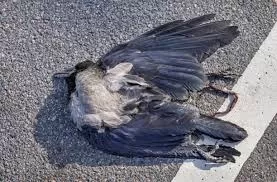
The virus was detected in wild crows and pigeons found dead inside the sanctuary, as well as in captive populations of:
-
Birds: Egrets, owls, and vultures.
-
Mammals: Leopard cats, jungle cats, and civets.
Between eight and ten animals have died since the inception of the zoo’s localized outbreak. Routine diagnostic samples analyzed by Nepal’s Department of Livestock Services returned positive results for the highly pathogenic H5N1 strain. Unlike standard commercial farming protocols, zoo authorities have announced that they are not planning wholesale culling of their rare or endangered animal collections, turning instead to localized isolations and strict internal biosecurity zones.
A Widening Agricultural Crisis
The situation inside the zoo is a microcosm of a much larger crisis gripping Nepal’s agricultural sectors. This specific wave of avian influenza first emerged on March 18, 2026, in the eastern Morang district of Koshi Province. Over the last three months, the highly pathogenic virus has steadily advanced into the densely populated Kathmandu Valley, infiltrating at least 55 commercial poultry farms across 10 districts.
According to data released by the Department of Livestock Services, the nationwide response has forced a massive biosecurity intervention to halt further transmission.
| Containment Metrics | Quantity Impacted |
| Culled Poultry (Fowls) | ~479,156 to 700,000 birds |
| Destroyed Commercial Eggs | ~694,193 to 1.1 million eggs |
| Confiscated Animal Feed | 182,775 kg (approx. 183 tonnes) |
Dr. Umesh Dahal, Director General of the Department of Livestock Services, confirmed that active viral pockets are now verified across multiple geopolitical boundaries, spanning both Koshi and Bagmati Provinces. The affected districts include Kathmandu, Lalitpur, Bhaktapur, Jhapa, Morang, Sunsari, Mahottari, Bara, Chitwan, and Nawalparasi.
Expert Perspectives: Biosecurity and Wildlife Repercussions
Public health officials emphasize that the spread into urban zoological parks signals a shift in local containment dynamics. In an official release, the Department of Livestock Services noted:
“The outbreak appears to be contained and remains under control in Koshi Province. However, the increasing number of affected farms in the Kathmandu Valley highlights continued transmission dynamics and underscores the need for strengthened biosecurity, surveillance, and response interventions.”
Satyanarayan Shah, Chief of the Central Zoo, stated that strict containment protocols were enacted immediately after receiving the positive laboratory reports. Meanwhile, Rachana Shah, a spokesperson for the NTNC, confirmed that the zoo is actively consulting international veterinarians to design species-specific protections.
The susceptibility of mammalian carnivores like leopard cats and civets represents a classic “spillover event,” often occurring when predators consume infected wild birds or contaminated poultry meat. This phenomenon has historical precedent; the Centers for Disease Control and Prevention (CDC) and the World Health Organization (WHO) have documented similar captive-cat fatalities, including tigers and leopards, during global outbreaks dating back to 2004, while civets were first recorded contracting the virus in Vietnam in 2005.
Independent experts express deep concern regarding what these developments mean for wildlife conservation. “Considering the potentially lethal outcomes of HPAIV [Highly Pathogenic Avian Influenza Virus] infections in both birds and certain mammals, such as large felines, these outbreaks could have dire repercussions for endangered species housed in zoos,” explained Dr. Bamford, a virologist at Queen’s University Belfast, in a commentary regarding global zoo bio-risks.
Professor Brown, a virologist from the Pirbright Institute in Surrey, agreed, noting that while an inherent risk always exists when wild migratory birds interact with captive facilities, “zoos should adopt heightened hygiene protocols for these susceptible species” to isolate entry pathways.
Understanding Public Health Risks and Limitations
For the general public, health organizations emphasize that the immediate threat level has not drastically shifted, though alertness remains critical.
The WHO maintains that the overall risk of H5N1 infection for the general public remains low. Human cases globally are almost exclusively tied to direct, unprotected contact with sick or dead infected birds, or heavily contaminated environments (such as commercial slaughterhouses). The virus does not easily bind to the receptors in the human upper respiratory tract, meaning it does not transmit efficiently from person to person. To date, sustained human-to-human transmission has never been documented.
However, agencies like the CDC caution against complacency. The widespread geographic prevalence of infected wild birds increases the statistical frequency of mammalian exposures. Every time the virus replicates inside a mammal—such as a civet or a feline—it gains opportunities to undergo genetic mutations that could theoretically allow it to adapt more efficiently to mammalian hosts.
Furthermore, several uncertainties complicate the management of Nepal’s ongoing outbreak:
-
The Route of Entry: Investigators have not yet established how the virus bypassed zoo defenses, with wild migratory birds and contaminated supply chains both remaining active hypotheses.
-
Data Discrepancies: Minor variations in initial casualty reports (ranging from 8 to over a dozen animal deaths) highlight the challenges of rapid real-time auditing during an active wildlife quarantine.
-
Co-circulation Risks: Local veterinary logs indicate that both the H5N1 and H9N2 influenza strains are active in Nepal’s agricultural sectors, a factor that increases the complexity of viral surveillance.
Looking Ahead
Under Nepal’s current Bird Flu Control Regulations, the government has mobilized rapid response teams to handle decontamination and enforce strict regional quarantines. Impacted poultry farmers are legally entitled to a 75 percent financial compensation package of the baseline cost price for destroyed stock to incentivize transparent reporting. Commercial poultry businesses caught within active infection zones are prohibited from restarting operations for at least two months post-disinfection.
For the general population, health authorities recommend common-sense preventative steps: avoid touching sick or dead wildlife, steer clear of open-air bird enclosures in active outbreak regions, and ensure all poultry products are cooked thoroughly to internal temperatures of at least 74°C (165°F), which instantly neutralizes the virus.
Medical Disclaimer
Medical Disclaimer: This article is for informational purposes only and should not be considered medical advice. Always consult with qualified healthcare professionals before making any health-related decisions or changes to your treatment plan. The information presented here is based on current research and expert opinions, which may evolve as new evidence emerges.
References
-
NDTV Health. Nepal’s Central Zoo Closed Indefinitely After Bird Flu Detected In Birds And Mammals. Report published June 20, 2026. Available at: https://www.ndtv.com/health/news/nepals-central-zoo-closed-indefinitely-after-bird-flu-detected-in-birds-and-mammals-11663271