 0
0
 0
0
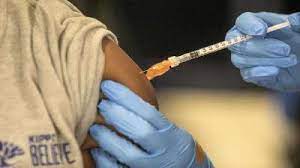
WASHINGTON — In a major development for pediatric preventive medicine, the U.S. Food and Drug Administration (FDA) has expanded its approval of Merck’s CAPVAXIVE (Pneumococcal 21-valent Conjugate Vaccine) to include children and adolescents aged 2 through 17 years who are at an increased risk for pneumococcal disease. Announced on June 17, 2026, this regulatory milestone establishes CAPVAXIVE as the only pneumococcal conjugate vaccine (PCV) in the U.S. specifically studied and indicated to address the unique protection gap in this high-risk pediatric cohort.
The decision offers a targeted layer of defense for millions of children who have already completed their standard infant vaccination series but remain uniquely vulnerable to severe, potentially life-threatening bacterial infections due to underlying medical conditions.
Protecting the Most Vulnerable: Who Benefits?
The expanded indication specifically focuses on children and teenagers who live with serious chronic health conditions. This includes pediatric patients diagnosed with:
-
Heart disease
-
Lung disease (such as severe asthma or cystic fibrosis)
-
Kidney disease
-
Liver disease
-
Diabetes
For these individuals, a routine encounter with Streptococcus pneumoniae (the bacterium responsible for pneumococcal disease) can rapidly escalate into severe invasive infections. These include pneumonia (lung infection), meningitis (infection of the brain and spinal cord membranes), and dangerous bloodstream infections (sepsis). By expanding CAPVAXIVE’s approval, federal regulators aim to construct a sturdier immunological shield around this high-risk population.
Inside the Clinical Data: The STRIDE-13 Phase 3 Trial
The FDA’s regulatory green light relies on data from the STRIDE-13 Phase 3 clinical trial. This study evaluated the vaccine’s performance in a cohort of approximately 880 pediatric participants aged 2 to 17 years who were flagged as high-risk.
The trial compared the immune response elicited by CAPVAXIVE against PPSV23 (Pneumovax 23), a widely utilized but older 23-valent pneumococcal polysaccharide vaccine. Researchers evaluated how effectively each vaccine stimulated antibodies capable of killing the bacteria, a metric known as opsonophagocytic activity (OPA).
Trial Results at a Glance
| Metric / Evaluation Area | CAPVAXIVE Performance vs. PPSV23 |
| Shared Serotypes (12 strains) | Noninferior: Elicited a comparable immune response to all 12 bacterial strains present in both vaccines. |
| Unique Serotypes (9 strains) | Statistically Superior: Demonstrated significantly higher antibody levels for the 9 strains exclusive to CAPVAXIVE. |
| Overall Immune Response | Robust immune activation observed across all 21 targeted serotypes 30 days post-vaccination. |
| Systemic Side Effects | Comparable: General full-body reactions (like fever or fatigue) were similar between both study groups. |
| Local Injection-Site Reactions | Higher with CAPVAXIVE: Redness, swelling, or pain at the injection site occurred in 72.3% of CAPVAXIVE recipients compared to 58.2% for PPSV23. |
What Makes CAPVAXIVE Different?
The primary advantage of CAPVAXIVE lies in its composition. The vaccine specifically covers 21 distinct strains (serotypes) of Streptococcus pneumoniae. According to national disease surveillance data, these specific strains are responsible for approximately 79% of all invasive pneumococcal disease cases occurring in higher-risk children.
While CAPVAXIVE was originally designed to align with adult disease patterns—gaining FDA approval for adults 50 and older in June 2024 to cover roughly 84% of adult strains—clinical surveillance revealed that these same strains heavily burden vulnerable children who have aged out of infancy.
Expert Perspectives
Medical experts not directly involved in the trial’s execution have expressed optimism regarding the expanded approval, noting that it addresses a historical gap in pediatric public health.
“Children and adolescents living with chronic medical conditions are at increased risk of pneumococcal disease, and offering them additional protection is essential,” noted Dr. Rotem Lapidot, Chief of Paediatric Infectious Diseases at Rambam Health Care Campus and an investigator for the STRIDE-13 trial. “Results from STRIDE-13 demonstrate the potential of CAPVAXIVE to deliver protection for these vulnerable populations, who may benefit from additional pneumococcal disease coverage by including serotypes not contained in other approved pneumococcal infant regimens.”
Dr. Paula Annunziato, a clinical research developer at Merck, added that while CAPVAXIVE was engineered with adult epidemiology in mind, the STRIDE-13 findings “underscore its added potential to help protect children and adolescents who are at an increased risk.”
The Broader Public Health Picture
Pneumococcal disease represents a major public health challenge in the United States. The Centers for Disease Control and Prevention (CDC) estimates that the bacteria cause massive annual strain on the healthcare system:
-
3,300 cases of bacterial meningitis annually.
-
100,000 to 135,000 hospitalizations due to pneumococcal pneumonia.
-
Approximately 6 million cases of acute otitis media (middle ear infections).
Among young children under five, the bacteria cause about 17,000 invasive cases and 200 deaths every year. Across all age demographics, the total economic toll exceeds $4 billion annually in direct and indirect medical costs. Because the bacteria spread easily via respiratory droplets—such as coughing, sneezing, or shared saliva—preventive immunization remains the primary method for controlling outbreaks.
Shifting Vaccination Landscapes
The standard U.S. vaccination calendar requires all infants under 5 years old to receive a 4-dose primary series of a pneumococcal conjugate vaccine (typically PCV15 or PCV20) at 2, 4, 6, and 12 to 15 months of age.
However, as high-risk children grow into their teenage years, their immunity can wane, or they can encounter strains not covered by their childhood shots. Previously, providers shifted these older, high-risk children to booster doses of PCV20 or the older PPSV23. The expanded approval of CAPVAXIVE introduces a highly tailored alternative engineered around the exact strains circulating most prominently today.
Limitations and Counterarguments
While the data supporting the approval is strong, public health officials emphasize a few key caveats:
-
Immune Data vs. Direct Efficacy: The FDA granted this approval based on surrogate immunogenicity data (the measurement of antibody levels in the blood) rather than a multi-year trial measuring a direct reduction in actual sickness. This is standard regulatory practice when disease incidence is low due to existing vaccination programs, but it relies on the assumption that antibody markers reliably predict real-world real-time protection.
-
Injection-Site Soreness: Parents should be prepared for mild local side effects. The higher rate of localized injection-site reactions (72.3% for CAPVAXIVE vs. 58.2% for PPSV23) means adolescents may experience more short-term arm soreness or swelling than they would with older choices.
What This Means for Families
For parents navigating the care of a child or teenager with an underlying metabolic, cardiac, or respiratory disease, this approval marks a concrete opportunity to upgrade their child’s health defenses.
It is crucial to note that CAPVAXIVE is not a replacement for the primary infant series; rather, it is designed as an additional protective measure for eligible individuals aged 2 through 17 who have already completed their initial pediatric series.
Moving forward, the CDC’s Advisory Committee on Immunization Practices (ACIP) is expected to review the STRIDE-13 data to determine how CAPVAXIVE will be integrated into official childhood immunization schedules. Official ACIP recommendations typically serve as the catalyst for private insurance companies and programs like Vaccines for Children (VFC) to provide full coverage without out-of-pocket cost-sharing for families. Parents are encouraged to speak with their pediatrician or specialist to see if this new option fits their child’s specific medical history.
Medical Disclaimer
Medical Disclaimer: This article is for informational purposes only and should not be considered medical advice. Always consult with qualified healthcare professionals before making any health-related decisions or changes to your treatment plan. The information presented here is based on current research and expert opinions, which may evolve as new evidence emerges.
References
-
Medscape Medical News. (June 19, 2026). Pneumococcal Vaccine Expanded to High-Risk Children, Teens.