 0
0
 0
0
Read Time:7 Minute, 13 Second
If you have ever spent a summer evening outdoors only to be singled out by buzzing pests while your companions remain completely unbitten, you have likely been labeled a “mosquito magnet.” However, a landmark study challenges this long-held belief, revealing that human attractiveness to mosquitoes is far more nuanced than previously understood.
Researchers at Florida International University (FIU) investigated how different species of disease-carrying mosquitoes respond to individual human scents. Their key finding: no single individual is universally attractive—or unattractive—to all mosquitoes. Instead, host preference depends on a complex interplay between an individual’s unique body chemistry and the specific mosquito species seeking a blood meal.
The findings, published in the peer-reviewed journal iScience, mark a major shift in vector biology. By demonstrating that different mosquito species read skin odor and microbial signals differently, the research opens new avenues for target-specific pest control while offering answers to the age-old question of why bite risk varies so widely from person to person.
Three Species, Distinct Preferences
To understand host preference, the research team recruited 119 diverse adult volunteers aged 18 to 59 in the Miami area. The study systematically evaluated the behavioral choices of three distinct, public-health-critical mosquito species:
-
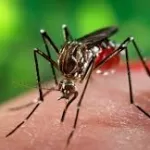
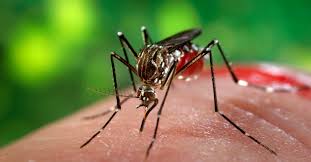
Aedes aegypti: The yellow fever mosquito, an aggressive daytime biter known for spreading dengue, chikungunya, Zika, and yellow fever.
-
Aedes albopictus: The Asian tiger mosquito, an invasive species and opportunistic biter capable of transmitting similar arboviruses.
-
Culex quinquefasciatus: The southern house mosquito, a nocturnal species responsible for transmitting West Nile virus and lymphatic filariasis.
Using a specialized controlled odor-testing device called an olfactometer, researchers measured how many female mosquitoes moved toward each volunteer’s scent profile. For the night-biting Culex mosquitoes, body odor was captured on specialized nylon sleeves worn by participants to replicate natural host-seeking conditions without disturbing sleep cycles.
+-----------------------------------------------------------------------------------+
|                        MOSQUITO ATTRACTIVENESS BY SPECIES                         |
+--------------------------+--------------------------------------------------------+
| Mosquito Species         | Key Chemical & Microbial Preference Factors            |
+--------------------------+--------------------------------------------------------+
| Aedes aegypti            | Attracted to lower levels of protective skin-masking   |
| (Yellow Fever Mosquito)  | compounds; slight preference for male scent profiles   |
|                          | (91.5% vs 87.4% average laboratory response).          |
+--------------------------+--------------------------------------------------------+
| Aedes albopictus         | Drawn toward higher concentrations of ketones and      |
| (Asian Tiger Mosquito)   | plant-like volatile organic compounds (VOCs).          |
+--------------------------+--------------------------------------------------------+
| Culex quinquefasciatus   | Responds to distinct combinations of night-emitted     |
| (Southern House Mosquito)| fatty acids and specific cutaneous bacterial cues.     |
+--------------------------+--------------------------------------------------------+
The experiment yielded unexpected results: not a single volunteer ranked in the top 10% of attractiveness across all three species. Conversely, no participant was completely invisible to all three. A volunteer who proved irresistible to Aedes aegypti was often ignored by Culex quinquefasciatus.
“Each species having a distinct microbial signature that they use as a cue was so surprising to me,” noted study leader Kaylee Marrero in an institutional statement regarding the discovery.
Co-author and FIU neurogeneticist Matthew DeGennaro, PhD, emphasized the public health implications of these species-specific distinctions: “Understanding the precise chemical pathways that dictate how a mosquito chooses its host allows us to isolate key odor components. This can lay the foundation for a new generation of targeted attractants and repellents tailored to specific disease vectors.”
The Chemical Cocktail Behind a Bite
Mosquitoes navigate their environment using a multi-layered sensory apparatus. From a distance, female mosquitoes rely primarily on carbon dioxide ($CO_2$) exhaled in human breath, along with physical movement and visual contrast, to locate potential hosts. However, as the insect closes the distance, body heat, humidity, and skin-derived chemical signals take over.
Human body odor comprises hundreds of volatile organic compounds (VOCs)—molecules that readily evaporate into the surrounding air. While fresh sweat is essentially odorless, it serves as a nutrient source for billions of microscopic organisms living on human skin. As these microbes digest proteins and lipids present in sweat and skin oil (sebum), they release volatile byproducts that act as a chemical tracking signal for insects.
  [ Distance Sensing ]              [ Medium-Range Lure ]             [ Close-Range Landing ]
  ====================              ====================             =======================
   Exhaled Carbon Dioxide   --->     Movement & Visuals      --->     Skin Heat & Volatile
   (CO2) Trailing Plumes             Body Thermal Signatures          Organic Compounds (VOCs)
The FIU research team discovered that each tested species tuned into a different blend of these VOCs:
-
Aedes aegypti preferred profiles with lower amounts of natural skin-masking compounds.
-
Aedes albopictus homed in on elevated levels of ketones and plant-derived volatile compounds.
-
Culex quinquefasciatus relied on a distinct balance of fatty acid byproducts and nocturnal bacterial activity.
These insights align with previous landmark research. A 2022 study published in Cell by Rockefeller University researchers demonstrated that individuals highly attractive to Aedes aegypti produced significantly higher levels of carboxylic acids—fatty compounds produced through skin hydration and microbial breakdown. Together, these studies confirm that host selection is guided by a complex blend of compounds rather than a single “mosquito magnet” chemical.
The Role of the Skin Microbiome
To better understand these chemical signatures, researchers analyzed the volunteers’ skin microbiomes—the complex ecosystems of bacteria and fungi living on human skin. Analysis revealed remarkable diversity: across 119 participants, 246 distinct bacterial groups were identified, yet only one single bacterial group was shared universally among every participant.
This microbial individuality explains why body odor signatures vary widely between people. Specific bacterial clusters were strongly correlated with high attraction rates for Aedes aegypti, while entirely different microbial combinations triggered attraction in Aedes albopictus.
However, experts urge caution against oversimplifying the role of bacteria. Independent vector control specialists note that while skin bacteria produce attractive volatiles, other systemic factors—including metabolic rate, body temperature, pregnancy status, and underlying viral infections—can transiently alter host attractiveness.
Public Health Implications and Study Limitations
Dissecting mosquito preference holds clear practical value for global public health. Mosquito-borne diseases affect millions worldwide annually, with Aedes and Culex species serving as primary vectors for severe human pathogens.
By identifying the precise volatile organic compounds that attract or deter specific species, scientists can engineer highly effective vector control tools, such as targeted odor traps designed to intercept disease-carrying insects before they reach human hosts.
+-----------------------------------------------------------------------------------+
|                           STUDY EVALUATION & LIMITATIONS                          |
+------------------------------------+----------------------------------------------+
| Strengths                          | Limitations                                  |
+------------------------------------+----------------------------------------------+
| • Evaluated three distinct vector  | • Conducted in a controlled laboratory space |
|   species simultaneously.          |   rather than dynamic outdoor settings.      |
| • Used real human odor profiles    | • Evaluated odor samples individually rather |
|   from a large sample size (n=119).|   than in competitive group dynamics.        |
| • Combined volatile chemistry with | • Culex testing relied on nylon sleeves; did |
|   microbial DNA sequencing.        |   not measure live host-interaction factors. |
+------------------------------------+----------------------------------------------+
Despite its rigorous design, the study authors highlight important real-world limitations. Laboratory olfactometer tests measure insect choice in static environments and cannot fully replicate complex outdoor conditions where wind current, humidity, ambient temperature, physical activity, and clothing choices modify mosquito behavior.
Additionally, because the study cohort was drawn exclusively from South Florida, further research is required to evaluate whether these microbial and chemical associations remain consistent across different geographic populations and outdoor environmental conditions.
Practical Guidance: Protecting Yourself Against Mosquitoes
While headlines discussing skin bacteria may encourage readers to try microbiome-altering soaps or dietary changes, medical experts emphasize that there is currently no clinical evidence supporting such methods for preventing mosquito bites.
“Mosquitoes rely on multiple overlapping cues to locate a host,” explains Sonja Swiger, PhD, a professor and extension entomologist with Texas A&M AgriLife Extension who was not involved in the study. “Carbon dioxide brings them into the general area, while body heat and localized odors determine where they land. Relying on unproven home remedies or dietary shifts to alter your scent profile is ineffective.”
To maintain reliable protection against mosquito-borne illness, health authorities recommend evidence-based prevention strategies:
-
Apply EPA-Registered Repellents: Use products containing proven active ingredients such as DEET, Picaridin, IR3535, or Oil of Lemon Eucalyptus (OLE/PMD).
-
Wear Protective Clothing: Opt for loose-fitting, long-sleeved shirts and pants, preferably treated with permethrin when spending extended time in heavily infested areas.
-
Eliminate Breeding Sites: Regularly drain standing water from flowerpots, gutters, birdbaths, and outdoor containers to break the mosquito life cycle.
-
Secure Living Spaces: Ensure window and door screens are intact and well-fitted to prevent indoor access by daytime and night-biting species.
Ultimately, while your unique body chemistry dictates which mosquito species might find you appealing, adopting evidence-based bite-prevention habits remains your best defense against mosquito-borne disease.
References
-
https://www.earth.com/news/your-body-chemistry-decides-which-mosquitoes-will-target-you/
Medical Disclaimer: This article is for informational purposes only and should not be considered medical advice. Always consult with qualified healthcare professionals before making any health-related decisions or changes to your treatment plan. The information presented here is based on current research and expert opinions, which may evolve as new evidence emerges.


Happy
0 %

Sad
0 %

Excited
0 %

Sleepy
0 %

Angry
0 %

Surprise
0 %