 0
0
 0
0
KINSHASA, Democratic Republic of Congo — A rapidly intensifying outbreak of Ebola in the Democratic Republic of Congo (DRC) has reached a critical tipping point. On Saturday, June 20, 2026, the DRC Ministry of Health announced that confirmed cases have climbed to 956, resulting in 247 deaths. This dramatic rise from the previous day’s count of 933 cases and 245 deaths underscores a dangerous acceleration. International health authorities warn that the outbreak, driven by a rare variant with no approved vaccines or treatments, could become the most severe ever recorded if containment measures fail to halt its relentless spread.
A Rapidly Escalating Crisis in the Gold Fields
First declared on May 15, 2026, the outbreak has exploded more than eightfold in just over a month. Initially concentrated within the densely populated gold-mining hubs of Mongwalu and Rwampara in Ituri province, the pathogen has expanded geographically. Confirmed cases have now breached containment lines and established active transmission chains in the neighboring provinces of North Kivu and South Kivu.
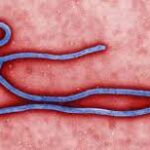
The primary driver of the global health community’s concern is the specific pathogen responsible: the Bundibugyo strain of the Ebola virus. Unlike the more common Zaire strain, which was successfully contained in recent years using highly effective vaccines like Ervebo, the Bundibugyo variant has no authorized preventative vaccines or targeted therapeutic treatments.
“The Bundibugyo strain has no vaccine, no specific treatment,” warned DRC Health Minister Samuel-Roger Kamba during a press briefing. “This strain has a very high lethality rate that can reach up to 50 percent.”
Surveillance Blind Spots and Community Transmission
Epidemiologists fear the official toll represents only a fraction of the actual caseload. Security challenges, remote terrain, and deep-seated community distrust have severely impeded contact tracing and containment operations.
Olivier le Polain, the World Health Organization’s (WHO) head of epidemiology and analytics for response, signaled that the crisis is outpacing current resources. “The outbreak continues to expand both in terms of case numbers but also in terms of geographic spread,” le Polain stated from the field. “New cases are being identified in new health zones on a near-daily basis.”
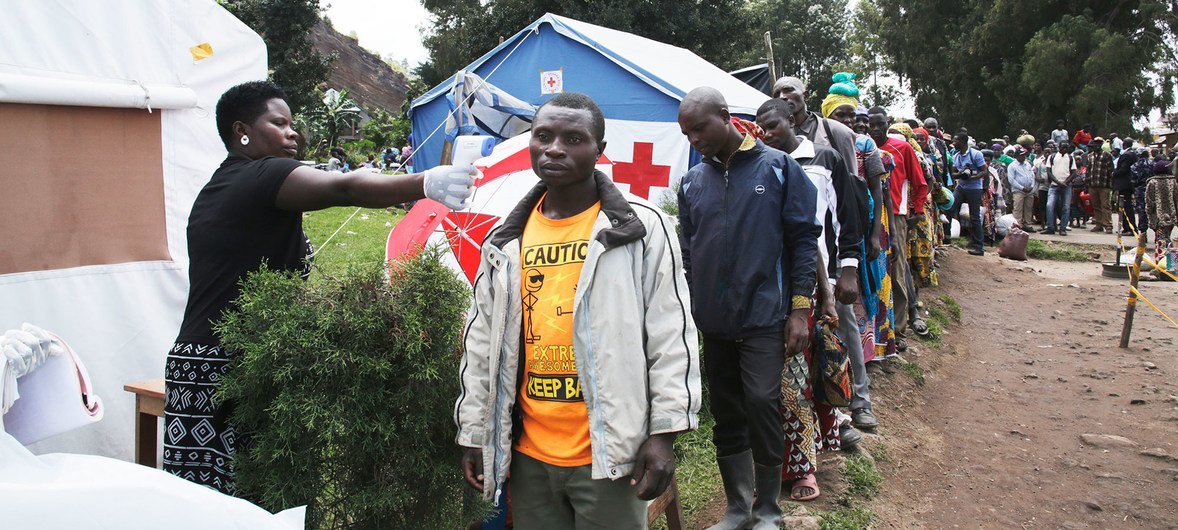
In the high-risk zones of eastern Congo, surveillance gaps mean that many chains of transmission are burning undetected. Dr. Marie-Roseline Belizaire, the WHO Incident Manager for the outbreak response, confirmed that many fatalities are still occurring directly within communities rather than specialized Ebola Treatment Centres (ETCs). “Deaths were still being reported by the community in Congo, and that means we are missing cases,” Belizaire noted, highlighting that sick individuals are avoiding isolation facilities.
Africa CDC Director General Dr. Jean Kaseya issued an urgent appeal to international donors, warning that failures to swiftly address structural gaps in the response could drag out the containment timeline, potentially costing billions of dollars and countless lives. However, Dr. Kaseya also injected a note of long-term optimism, asserting that Africa CDC is aggressively working with pharmaceutical partners to fast-track experimental interventions. “What we can tell you for sure, by the end of this year, 2026, Africa CDC will make sure that we have a vaccine and medicine against Bundibugyo,” he pledged.
Understanding the Rare Bundibugyo Threat
This crisis marks the 17th time the DRC has battled Ebola since the virus was discovered near the Ebola River in 1976. However, the Bundibugyo virus remains an infrequent and poorly understood threat. It has emerged only twice before in the DRC—in 2007 and 2012—meaning historical data and clinical biosamples are limited.
According to a comprehensive historical meta-analysis published in PubMed, the average case fatality rate for the Bundibugyo variant hovers around 32.8 percent, though it can spike higher depending on the quality of supportive care. Crucially, the virus features an incubation period ranging from 2 to 21 days. This long window allows asymptomatic, infected individuals to travel long distances before showing symptoms, explaining how the virus likely spread undetected through mining corridors for weeks before health systems triggered the alarm.
A Rising Regional Threat in Dynamic Environments
The WHO has formally designated the outbreak a Public Health Emergency of International Concern (PHEIC). While WHO Director-General Tedros Adhanom Ghebreyesus clarified that the global threat outside of the African continent remains low, the regional transmission risk has been upgraded to “very high.”
Several compounding socio-demographic factors are magnifying the vulnerability of the region:
| Risk Factor | Public Health Impact & Context |
| Urban Environments | Densely populated hubs like Rwampara and Bunia allow rapid, exponential contact networks. |
| Mining Activities | Mongwalu’s transient gold-mining population facilitates rapid transmission and untraceable travel. |
| Cross-Border Movement | High-volume trade routes connect Ituri directly with neighboring Uganda and South Sudan. |
| Community Distrust | Resistance toward prevention teams leads to hidden cases and unsafe traditional burials. |
| Limited Isolation Capacity | Dedicated isolation beds are severely lacking relative to projected patient volume. |
The threat of cross-border spillover has already materialized. Uganda has confirmed 19 cases directly linked to the DRC outbreak, including two deaths, with multiple cases tracked to the capital city of Kampala. Furthermore, the United Nations Population Fund (UNFPA) has raised alarms regarding severe disruptions to reproductive healthcare in the region. As healthcare clinics pivot to infection control, access to safe delivery services has plummeted, threatening a sharp rise in collateral maternal mortality.
Complexities, Uncertainties, and Healthcare Successes
Despite the worrying trajectory, public health data contains nuances that offer modest encouragement. The current calculated mortality rate of the outbreak sits at approximately 26 percent (247 deaths out of 956 cases). This is lower than the historical maximum of 50 percent, suggesting that aggressive, early deployment of aggressive supportive therapies—such as intravenous hydration, electrolyte stabilization, and symptom management—is successfully saving lives.
However, external scientists urge caution regarding the Africa CDC’s timeline for an emergency vaccine. Developing, manufacturing, and ethically testing a clinical-grade vaccine candidate against a rare strain within six months represents an unprecedented regulatory and scientific hurdle. Some independent researchers suggest that relying heavily on an unapproved end-of-year vaccine could distract from the immediate, proven interventions needed on the ground right now: rigorous contract tracing, secure isolation, and intensive community engagement.
Guidance for Communities and Health Professionals
For the general public and international observers, health authorities emphasize that the risk of contracting Ebola outside of the immediate sub-Saharan focus zones remains negligible. Ebola is not an airborne pathogen like influenza or COVID-19; it requires direct contact with the bodily fluids (such as blood, saliva, or sweat) of a symptomatic individual or contaminated surfaces.
For individuals residing in or traveling near the affected zones, the following guidelines are vital:
-
Travel Restraints: Avoid non-essential travel to eastern DRC provinces (Ituri, North Kivu, South Kivu) and designated response zones in Uganda.
-
Infection Control for Clinicians: Healthcare workers face the highest risk. The infection has already claimed the lives of at least four hospital staff members. Healthcare facilities must rigidly enforce standard Personal Protective Equipment (PPE) protocols and screen all incoming patients for fever and travel history.
-
Community Cooperation: Supporting local healthcare workers and accepting rapid isolation protocols remain the most definitive ways to break the chain of transmission and bring this dangerous resurgence to an end.
Medical Disclaimer
This article is for informational purposes only and should not be considered medical advice. Always consult with qualified healthcare professionals before making any health-related decisions or changes to your treatment plan. The information presented here is based on current research and expert opinions, which may evolve as new evidence emerges.
References
-
Winning, A. (2026, June 20). “Congo says confirmed Ebola cases rise to 956, including 247 deaths.” Reuters.