 0
0
 0
0
NEW DELHI — India has made measurable progress in breast cancer survival over the past decade, yet the country continues to trail far behind high-income nations. This persistent survival gap is primarily driven by late diagnoses, prolonged diagnostic delays, and uneven access to quality care rather than the underlying biology of the disease, according to a series of new global and regional analyses.
Data from the World Health Organization (WHO) alongside a comprehensive Indian registry study published in Cancer underscore a stark reality: while therapeutic capabilities have advanced, systemic bottlenecks in early detection and treatment execution continue to cost lives. Public health officials emphasize that closing this international divide requires transitioning from unstructured screening models toward coordinated, rapid-referral care pathways.
The Survival Disparity: What the Data Shows
The global landscape of breast cancer survival highlights a deep economic divide. According to data tracked by the WHO Global Breast Cancer Initiative, the five-year relative survival rate for breast cancer exceeds 90% in high-income countries. In contrast, India’s nationwide five-year survival rate stands at approximately 66%, while South Africa reports a lower rate of 40%.
To map how these figures manifest locally, a landmark Indian study published in Cancer analyzed the records of 17,331 women diagnosed with breast cancer across 11 population-based cancer registries under the National Cancer Registry Programme. The researchers reported an overall five-year age-standardized relative survival of 66.4%. However, the data revealed significant geographic fragmentation within the country:
-
Higher Survival Areas: Registries in Mizoram, Ahmedabad (urban), Kollam, and Thiruvananthapuram recorded the highest survival outcomes.
-
Lower Survival Areas: The registry in Pasighat recorded the lowest survival outcome at 41.9%.
Crucially, the study demonstrated the mathematical relationship between the stage of the disease at the time of initial diagnosis and final patient outcomes:
| Stage at Diagnosis | 5-Year Observed Survival Rate |
| Localized Disease (Confined to the breast) | 81.0% |
| Regional Disease (Spread to nearby lymph nodes) | 65.5% |
| Distant Metastatic Disease (Spread to distant organs) | 18.3% |
Infrastructure Barriers and the “60-60-80” Target
Independent oncologists and public health experts note that the primary hurdle in low- and middle-income countries (LMICs) is structural. A review published in the Indian Journal of Medical Research (IJMR) points out that BRICS countries, including India, face substantial logistical barriers when attempting to implement organized, population-wide mammography screening. Experts argue that resources are more effectively spent optimizing symptom awareness and accelerating frontline clinical referral networks.
To address these exact pain points, the WHO Global Breast Cancer Initiative established a clear operational framework known as the 60-60-80 framework. This systemic strategy outlines three concrete pillars designed to streamline care delivery:
-
60% Stage Optimization: Diagnosing at least 60% of all invasive breast cancers at localized stages (Stage I or II).
-
60-Day Diagnostic Window: Completing a full diagnostic workup—including imaging, pathology, and staging—within 60 days of the patient’s initial clinical presentation.
-
80% Treatment Completion: Ensuring at least 80% of diagnosed patients successfully complete their recommended multimodal treatment plans without abandonment.
“Breast cancer deaths disproportionately affect individuals in low- and middle-income countries,” stated a representative from the World Health Organization during an initiative briefing. The organization emphasizes that clinical outcomes are heavily dictated by the speed and continuity of the health system, rather than variations in tumor aggressiveness across different populations.
Actionable Steps for Patients and Providers
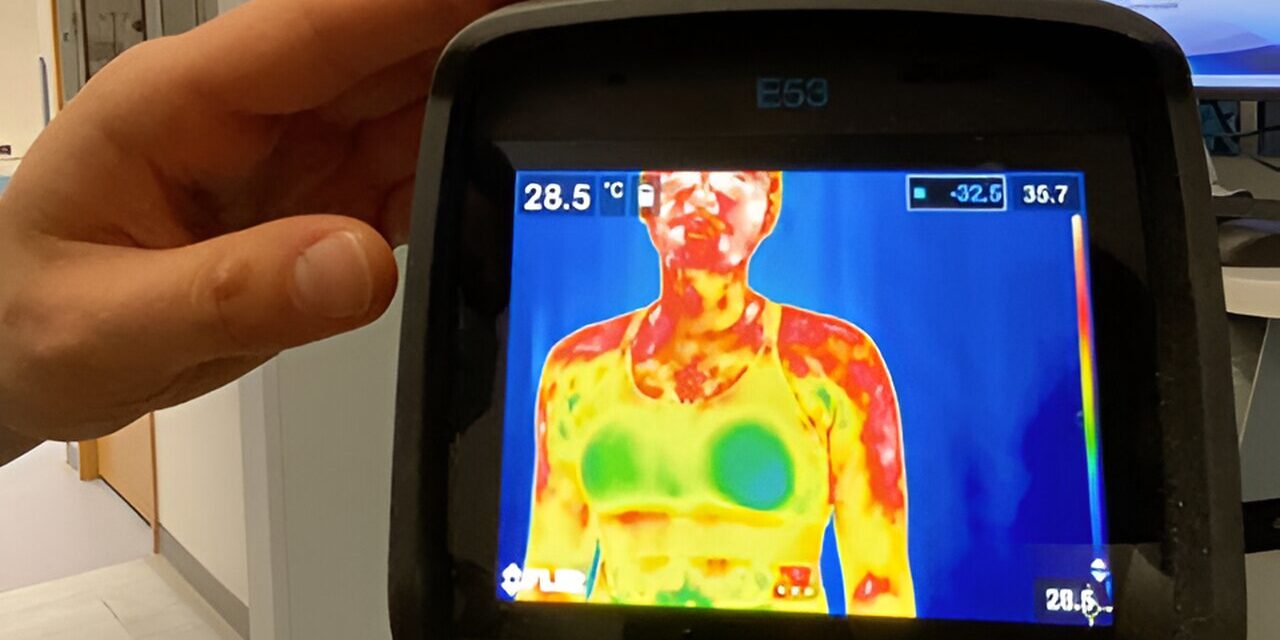
For health-conscious consumers, the findings underscore that early detection remains the most reliable lever for improving outcomes. Because systematic mammography infrastructure is limited outside major urban zones, public health campaigns emphasize the value of breast awareness. This includes identifying visual or physical breast changes—such as a new lump, skin dimpling, or nipple inversion—and seeking immediate medical evaluation.
From a clinical delivery perspective, papers from the Tata Memorial Centre and the Journal of Global Oncology outline a series of critical care upgrades required to bring rural survival rates closer to urban baselines:
-
Frontline Training: Educating community health workers to accurately identify suspicious lesions during routine clinical examinations.
-
Pathology Optimization: Improving the speed and accuracy of biopsy processing and immunohistochemistry testing to guide targeted therapy.
-
Decentralized Multimodal Care: Distributing surgery, radiation therapy, and chemotherapy capabilities more equitably across tier-2 and tier-3 cities to prevent patients from abandoning treatment due to travel costs.
Limitations of Current Evidence
While the collected data offers a clear directional mandate, researchers point out several caveats within the current literature. The broad survival percentages provided by global health bodies are mathematical estimates that can smooth over stark discrepancies between well-funded private hospital systems and overburdened public facilities.
Furthermore, while the Cancer registry study remains one of the largest datasets analyzed in India, its pool of 17,331 patients covers 11 specific geographic registries rather than a complete national census. Consequently, the findings may not fully account for survival variables in completely unmapped rural districts. Additionally, long-term survival is influenced by factors beyond the initial stage at diagnosis, including individual tumor biology (such as triple-negative versus hormone-receptor-positive subtypes), health insurance coverage, and the consistency of long-term follow-up care.
Despite these variables, the core epidemiological consensus remains unchallenged: when diagnostic intervals are compressed and treatment is initiated swiftly, survival rates improve predictably, regardless of geography.
References
- https://timesofindia.indiatimes.com/india/breast-cancer-survival-rate-up-but-india-lags-behind-rich-nations-who/articleshow/132320503.cms
Medical Disclaimer: This article is for informational purposes only and should not be considered medical advice. Always consult with qualified healthcare professionals before making any health-related decisions or changes to your treatment plan. The information presented here is based on current research and expert opinions, which may evolve as new evidence emerges.