 0
0
 0
0
GANDHINAGAR, Gujarat — Ahead of World Sickle Cell Day on June 19, 2026, the state of Gujarat achieved a historic public health milestone by executing more than 1.11 crore (11.1 million) individual screenings under its Sickle Cell Anaemia Control Programme. This monumental effort firmly establishes the state as the vanguard of India’s National Sickle Cell Anaemia Elimination Mission, an ambitious federal initiative aiming to completely eradicate the genetic blood disorder by 2047—the centenary of India’s independence. Driven by Chief Minister Bhupendra Patel’s administration, Gujarat’s systematically scaled program now serves as the operational blueprint for a nationwide campaign trying to curb a generational crisis within the country’s vulnerable tribal populations.
The Scale of the Crisis: India’s “Sickle Cell Belt”
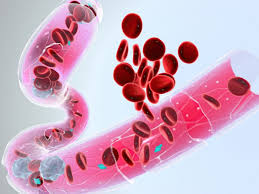
Sickle cell disease (SCD) is an inherited genetic blood disorder that causes normally round, flexible red blood cells to become rigid and shaped like sickles or crescent moons. These abnormal cells clog blood flow, leading to excruciating pain crises, chronic organ damage, and significantly reduced life expectancy.
Globally, the burden is massive: approximately 7.74 million people were living with sickle-cell disease in 2021, with sub-Saharan Africa accounting for nearly 80% of cases. The World Health Organization (WHO) estimates that the disease causes over 375,000 deaths annually worldwide.
India ranks second globally in this disease burden, with an estimated 20 million individuals living with sickle cell disease. Every year, between 150,000 and 200,000 children are born with the condition nationwide. The geographic and demographic distribution of the disease is highly concentrated in what epidemiologists call India’s “sickle cell belt,” stretching across regions in Madhya Pradesh, Chhattisgarh, Maharashtra (Vidarbha and Marathwada), Kerala (Wayanad), Tamil Nadu, Odisha, and Gujarat. Among distinct indigenous tribal groups in these pockets, the carrier prevalence ranges from a staggering 1% to as high as 40%.
Two Decades of Pioneer Leadership
Gujarat’s aggressive response to this crisis did not happen overnight. The state launched India’s first dedicated initiative in 2006 across 14 tribal districts under then-Chief Minister Narendra Modi. This long-term commitment earned Gujarat the prestigious “PM Award for Excellence in Public Administration” in 2011, providing the evidentiary framework that inspired the central government to launch the pan-India National Sickle Cell Anaemia Elimination Mission in July 2023.
Out of the 6 crore (60 million) screenings completed nationwide against a national target of 7 crore, Gujarat alone contributed nearly 19% of the total volume.
“What Gujarat has proven is that universal screening in high-prevalence zones is not just logistically possible; it is the absolute foundational step required if India intends to meet its 2047 eradication target,” notes Dr. Ananya Rao, an independent public health hematologist based in New Delhi, who was not involved in the state program. “However, screening is only the entry point. The true victory lies in keeping these individuals healthy over a lifetime.”
Decentralized Infrastructure and Financial Protection
To support the 30,512 registered individuals currently under the state’s care, Gujarat has constructed a highly decentralized diagnostic and treatment infrastructure that spans from remote primary clinics to major district hospitals. The state’s clinical deployment features:
-
41 High-Performance Liquid Chromatography (HPLC) and Mini Electrophoresis machines strategically positioned across 14 tribal districts for definitive diagnosis.
-
Three dedicated day-care centres located in Valsad, Navsari, and Dang-Rumla to provide immediate, localized interventions.
-
180 dedicated counsellors stationed at Primary Health Centres (PHCs) to guide families through diagnosis and management.
-
Solubility Test (DTT) screening capabilities available at every single PHC for rapid, baseline testing.
Recognizing that chronic genetic illnesses impose devastating economic burdens on families, the state has disbursed ₹18.15 crore through its Patient Assistance Scheme. Furthermore, for the 2024-25 fiscal year, the government implemented a fivefold increase in its lifelong monthly stipend, raising it from ₹500 to ₹2,500 to ensure individuals can afford essential nutritional and medical care.
The “Medical Horoscope” and Prevention
Because sickle cell disease is an inherited condition, preventing intergenerational transmission is a core pillar of public health strategy. Minister of State for Health Praful Pansheriya has actively urged young citizens to determine their sickle cell status before marriage, famously framing the diagnostic screening as a vital “medical horoscope” required to secure the long-term health of future generations.
This preventative approach aligns directly with groundbreaking global guidelines released by the World Health Organization in June 2025. As the first-ever global framework explicitly addressing the management of sickle cell disease during pregnancy, the guidelines provide protocols to mitigate life-threatening complications for both mothers and neonates.
Current Treatment Paradigms and Clinical Hurdles
Managing sickle cell disease requires a combination of daily disease-modifying therapies, preventative care, and acute interventions. The Indian Academy of Pediatrics (IAP) and the Indian Council of Medical Research (ICMR) have established standard workflows to guide clinicians nationwide.
Standard Clinical Workflows for Sickle Cell Disease
| Treatment Modality | Primary Purpose | Clinical Status & Guidelines |
| Hydroxyurea (HU) | Disease-modifying agent; reduces pain crises and complications | Mainstay treatment; recommended by the IAP for all children above 9 months of age. |
| Folic Acid Supplementation | Prevents megaloblastic crises (severe red blood cell deficiencies) | Standard daily prophylaxis for all diagnosed individuals. |
| Penicillin & Immunizations | Infection prophylaxis; protects compromised immune systems | Standard preventative care, particularly critical in early childhood. |
| Blood Transfusions | Acute management of severe anemia or acute chest syndrome | Deployed for specific, life-threatening clinical indications. |
| Hematopoietic Stem Cell Transplant | Curative therapy via bone marrow or stem cell replacement | The only current cure; recommended for a small subset of patients unresponsive to Hydroxyurea. |
Despite these established workflows, significant implementation barriers remain. Peer-reviewed studies indicate that hydroxyurea prescription rates across India are highly variable. Only about 45% of patients with the HbSS genotype and 53% of those with HbS/β-thalassaemia receive the drug. Furthermore, the dosages prescribed are frequently too low (often averaging 10 mg/kg), and a lack of uniform medical education means some prescriptions remain clinically inappropriate.
Public Health Implications and the “Iceberg” Effect
The 2026 World Sickle Cell Day theme, “Closing the Survival Gap: Equity in Sickle Cell Disease,” highlights the steep mountain public health officials still have to climb. Without adequate medical interventions, between 50% and 80% of children born with sickle cell disease in high-prevalence regions struggle to survive past the age of five.
Furthermore, data from extensive ICMR screening operations conducted between 2016 and 2018 identified 47,311 individuals living with the disease and 949,057 asymptomatic carriers with the sickle cell trait out of 11.38 million people tested. Epidemiologists warn that these figures—while massive—likely represent only the “tip of the iceberg” in a country of 1.4 billion people where regional prevalence is highly uneven and vast swathes of the population remain untested.
To push past these limitations, Gujarat is expanding its clinical research infrastructure by establishing a specialized Centre of Competence, Research and Counselling at Surat Civil Hospital. This center will focus on refining genetic counselling protocols and advancing localized treatment research.
What This Means for Your Daily Health Decisions
The success of the Gujarat model underscores a critical takeaway for the general public: awareness of your genetic status is empowering.
If you or your family members belong to high-risk population groups—particularly tribal or long-standing ethnic communities in central, western, or southern India—it is highly recommended that you discuss sickle cell screening with a qualified healthcare provider. Undergoing a simple diagnostic blood test before marriage or when planning a pregnancy is a proactive, scientifically sound step that can protect the health of your future children and ensure early, life-saving medical care for those who need it most.
Medical Disclaimer: This article is for informational purposes only and should not be considered medical advice. Always consult with qualified healthcare professionals before making any health-related decisions or changes to your treatment plan. The information presented here is based on current research and expert opinions, which may evolve as new evidence emerges.
References
-
Global Alliance of Sickle Cell Disease Organizations (GASCDO). “World Sickle Cell Day 2026 – Closing the Survival Gap: Equity in Sickle Cell Disease.” June 19, 2026.