 0
0
 0
0
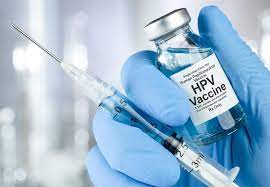
NEW DELHI — In a milestone for public health, India’s ambitious free Human Papillomavirus (HPV) vaccination drive has successfully administered nearly 50 lakh (5 million) doses of the cervical cancer vaccine to 14-year-old girls within its first three months. Launched on February 28, 2026, the nationwide initiative has already covered nearly half of its primary target cohort of 1.15 crore (11.5 million) girls. Health ministry officials confirmed that the rapid rollout represents one of the swifhest turnarounds for a newly introduced vaccine in the country’s expanded immunization history, providing an essential shield against a disease that claims tens of thousands of lives annually.
Unprecedented Speed in the Rapid Rollout
The sheer velocity of the campaign highlights a significant shift in India’s healthcare delivery capabilities. Data from the Union Health Ministry indicates that states like Madhya Pradesh and Gujarat have already met 100% of their designated targets, while Mizoram has achieved approximately 93% coverage.
The nationwide programme relies on a single-dose schedule of MSD’s Gardasil, a vaccine approved by India’s drug regulator and trusted internationally.
“The rapid rollout marks a significant step in India’s fight against cervical cancer, one of the leading causes of cancer-related deaths among women,” noted a senior Union Health Ministry official.
Understanding India’s Cervical Cancer Crisis
To appreciate the scale of this intervention, it helps to understand the heavy toll the disease takes across the country. Cervical cancer ranks as the second-most common cancer among Indian women, trailing only breast cancer.
Global vs. India Cervical Cancer Burden (Annual Estimates)
┌────────────────────────────────────────────────────────┐
│ Global Cases: ~660,000                                 │
│ ├─ India Cases: ~80,000 (approx. 12%)                  │
├────────────────────────────────────────────────────────┤
│ Global Deaths: ~350,000                                │
│ ├─ India Deaths: ~42,000 (approx. 12%)                 │
└────────────────────────────────────────────────────────┘
*Note: Historic IARC/WHO datasets have frequently highlighted that India bears up to one-third of the global mortality burden due to historical gaps in screening access.
According to recent epidemiological data, nearly 80,000 new cases are diagnosed annually in India, resulting in more than 42,000 deaths. Indian women face a 1.6% cumulative lifetime risk of developing the disease.
Medical research has firmly established that the overwhelming majority of these cases are triggered by persistent infection with high-risk strains of the Human Papillomavirus. In India, HPV types 16 and 18 are especially aggressive, accounting for more than 80% of all cervical cancer cases, compared to roughly 70% globally. By stopping these viral strains before exposure occurs, the vaccine addresses the root cause of the malignancy.
The Single-Dose Breakthrough: Science Driving Logistics
The logistical feasibility of reaching millions of adolescent girls was drastically improved by a shift in global clinical guidelines. In April 2022, the World Health Organization’s (WHO) Strategic Advisory Group of Experts on Immunization (SAGE) reviewed emerging evidence and concluded that a single-dose regimen provides solid protection against HPV that is fully comparable to the traditional two-dose schedule.
Following this, the WHO officially updated its formal recommendations:
-
Girls aged 9–14 years: One or two-dose schedule
-
Young women aged 15–20 years: One or two-dose schedule
-
Women older than 21 years: Two doses administered with a 6-month interval
A study by the International Agency for Research on Cancer (IARC) confirmed that a single-dose national strategy in India could reduce the incidence of cervical cancer well below the elimination threshold set by the WHO. Projections suggest the current campaign could prevent close to 1 million cases of cervical cancer over the lifetime of birth cohorts currently aged 10 years or younger.
Breaking Down Barriers to Access and Equity
Prior to this government initiative, the HPV vaccine was primarily confined to the private sector, where it cost up to ₹4,000 per dose. This high price barrier effectively excluded lower-income families, creating a severe disparity in cancer prevention.
Today, the vaccine is distributed free of charge across designated government health facilities, including primary health centers, district hospitals, and government medical colleges. Procured via India’s ongoing partnership with Gavi, the Vaccine Alliance, the supply chain remains stable. While the drive is entirely voluntary, strict public guidelines require formal parental consent before any adolescent receives the dose.
Expert Perspectives on Public Health Impact
Public health experts view the campaign as a foundational blueprint for cancer eradication. Dr. Shivadeep Shankar, a leading specialist in cervical cancer elimination, outlined the mathematical roadmap required for success:
“To eliminate cervical cancer as a public health problem, all countries must reach and maintain an incidence rate of less than 4 per 100,000 women. To get there, we must hit three distinct pillars by 2030: vaccinating 90% of girls with the HPV vaccine by age 15, screening 70% of women using a high-performance test at ages 35 and 45, and ensuring 90% of diagnosed women receive appropriate pre-cancer or invasive cancer treatment.”
The Indian Academy of Pediatrics Committee on Immunization (IAPCOI) has echoed support, noting that the clinical efficacy of the vaccine ranges between 95% and 100% for preventing strains 16 and 18, significantly reducing the downstream risk of precancerous lesions and invasive malignancies.
Countering Hesitancy and Safety Concerns
Despite the successful rollout, public health workers must navigate historical anxieties. In 2010, an HPV demonstration project in India faced intense public scrutiny following the tragic deaths of a few enrolled girls. Though independent scientific investigations later confirmed no causal link between the vaccines and the deaths, the event left a legacy of vaccine hesitancy among certain communities.
To build trust, the current drive is backed by extensive monitoring. Andhra Pradesh Health Minister Satya Kumar Yadav recently reassured families, stating that no serious adverse reactions have been reported among the newly vaccinated cohort. All active vaccination sites are linked directly to 24/7 Adverse Events Following Immunization (AEFI) Management Centers to handle any issues immediately.
Navigating State-Level Disparities
While national numbers are strong, localized data reveals a uneven performance across different regions:
| State | Target Cohort Size | Doses Administered | Approx. Coverage Rate |
| Madhya Pradesh | Varies by district | Full Target Reached | 100% |
| Gujarat | Varies by district | Full Target Reached | 100% |
| Mizoram | Small cohort | Near Completion | 93% |
| Andhra Pradesh | 3.45 Lakh | 2.71 Lakh | 78.5% |
| Haryana | 2.26 Lakh | 41,899 | 19% |
In response to its low 19% coverage rate, Haryana’s health department initiated a high-level administrative review to clear local communication bottlenecks. Meanwhile, Andhra Pradesh extended its campaign through August to capture missed school-aged populations before the academic year resets. In Maharashtra, health officials managing a massive cohort of over 9.8 lakh girls confirmed that local supplies are robust and additional doses are being systematically routed to low-performing districts.
Public Health Limitations and Future Outlook
Despite reaching 50 lakh girls, a significant gap remains: roughly 65 lakh eligible girls within this single age cohort have yet to receive their shot.
Furthermore, immunologists remind the public that vaccination is only one part of the puzzle. The vaccine does not cure existing infections and is highly effective only when administered before a person becomes sexually active. Because the current campaign targets 14-year-old girls, adult women must still rely on routine cervical screening methods, such as Pap smears or HPV DNA tests. Historically, the uptake of these screening programs in India has been low due to deep-seated socio-cultural taboos and rural infrastructural limits.
Additionally, while groups like the National Technical Advisory Group on Immunization (NTAGI) have discussed transitioning to a gender-neutral vaccination model—which includes adolescent boys to build herd immunity—current financial and logistical limits keep the focus entirely on girls.
What This Means for Your Family
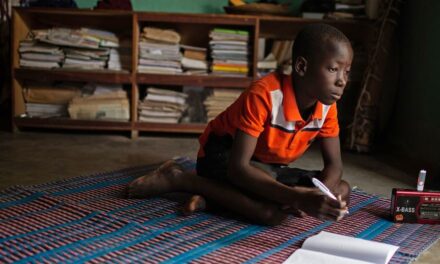
For parents and guardians of 14-year-old girls, this program provides an unprecedented opportunity to protect children from a highly preventable cancer later in life. Families can register eligible daughters by visiting their nearest primary health center or government district hospital. As the campaign transitions from its initial intensive phase into routine weekly immunization schedules, maintaining high public awareness will be vital to closing the gap and securing a cervical cancer-free future for the next generation.
Medical Disclaimer
Medical Disclaimer: This article is for informational purposes only and should not be considered medical advice. Always consult with qualified healthcare professionals before making any health-related decisions or changes to your treatment plan. The information presented here is based on current research and expert opinions, which may evolve as new evidence emerges.
References
-
Union Health Ministry, Government of India. “HPV vaccination drive reaches 50 lakh girls in three months.” Reported via Economic Times Health, June 18, 2026.