 0
0
 0
0
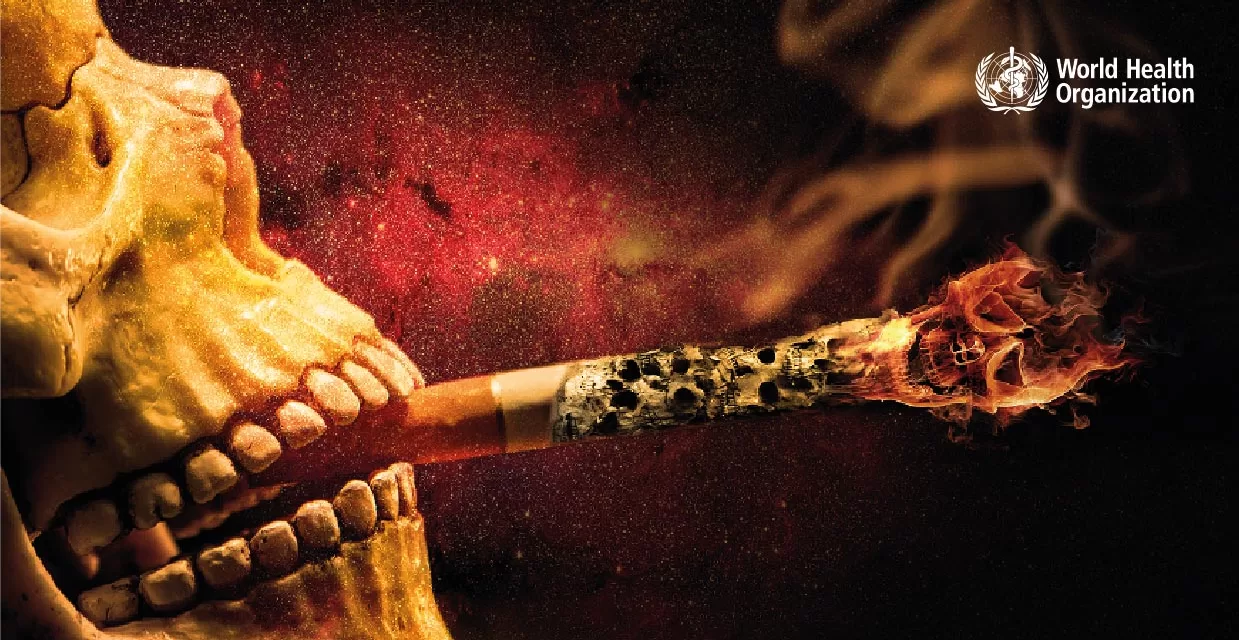
Unmask the appeal – countering tobacco and nicotine addiction
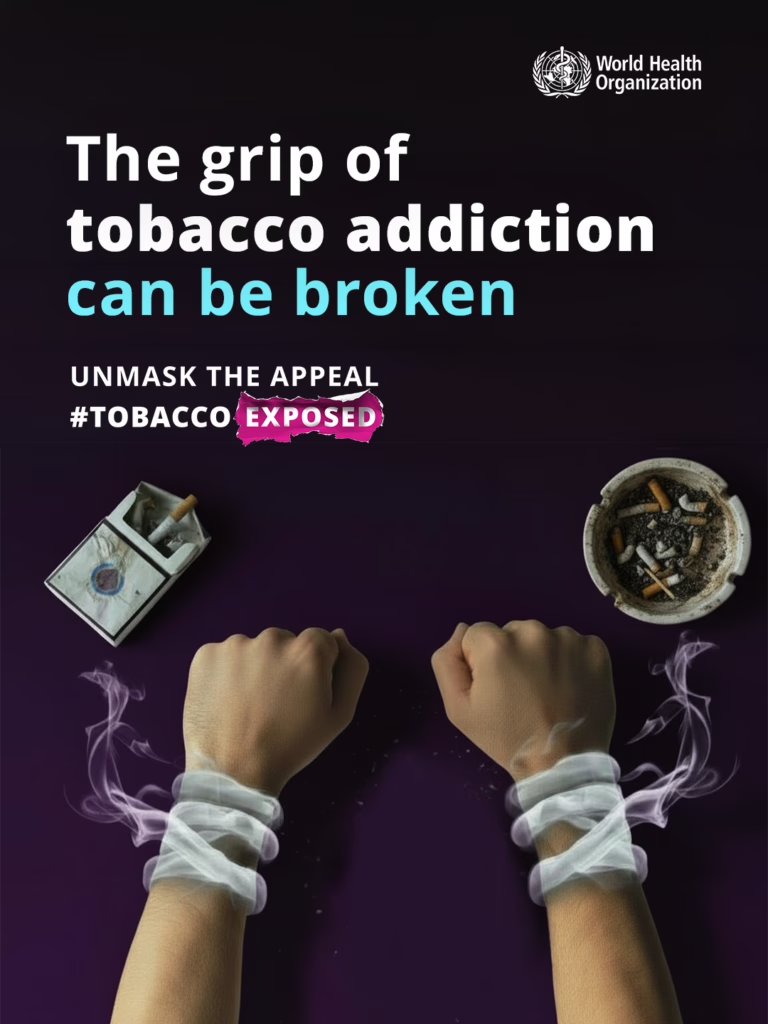
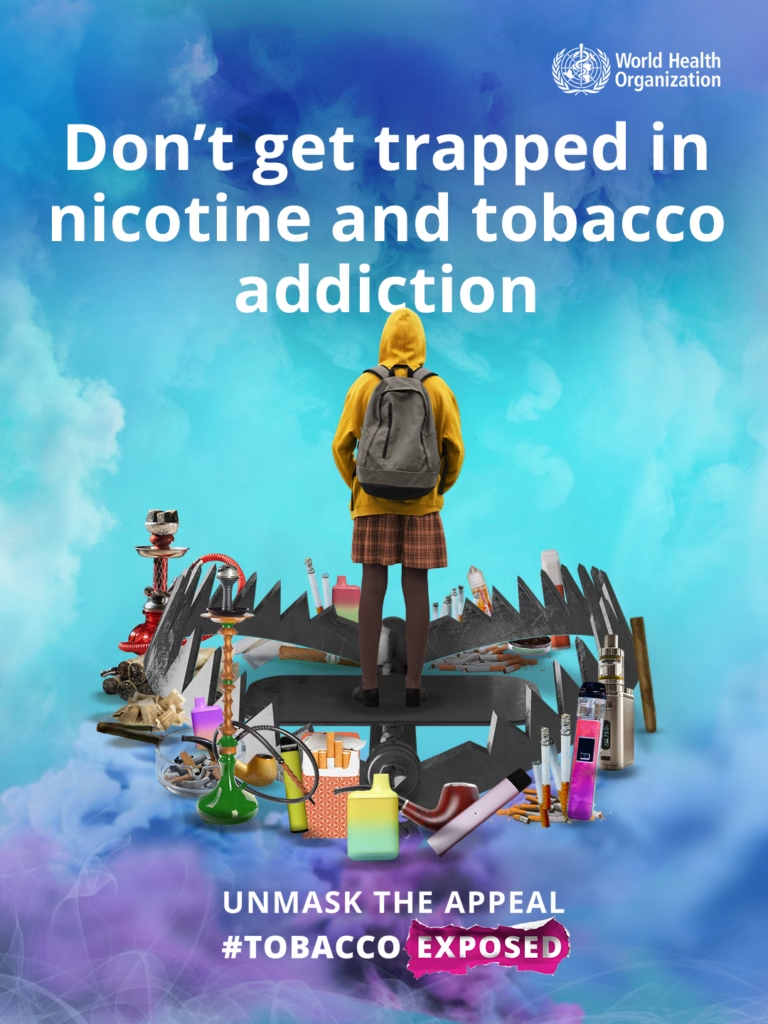
Tobacco and nicotine industries design their products to get young people stuck in a cycle of addiction.
The grip of tobacco and nicotine addiction can be broken.
#TobaccoExposed
Key facts
- Tobacco kills up to half of its users who don’t quit .
- Tobacco kills more than 7 million people each year, including an estimated 1.6 million non-smokers who are exposed to second-hand smoke .
- Around 80% of the world’s 1.3 billion tobacco users live in low- and middle-income countries.
- To address the tobacco epidemic, WHO Member States adopted the WHO Framework Convention on Tobacco Control (WHO FCTC) in 2003. Currently 183 countries are Parties to this treaty.
- The WHO MPOWER measures are in line with the WHO FCTC and have been shown to save lives and reduce costs from averted healthcare expenditure.
Overview
The tobacco epidemic is one of the biggest public health threats the world has ever faced, responsible for over 7 million deaths annually as well as disability and long-term suffering from tobacco-related diseases (4).
All forms of tobacco use are harmful, and there is no safe level of exposure to tobacco. Cigarette smoking is the most common form of tobacco use worldwide. Other tobacco products include waterpipe tobacco, cigars, cigarillos, heated tobacco, roll-your-own tobacco, pipe tobacco, bidis and kreteks, and smokeless tobacco products.
Around 80% of the 1.3 billion tobacco users worldwide live in low- and middle-income countries, where the burden of tobacco-related illness and death is heaviest. Tobacco use contributes to poverty by diverting household spending from basic needs such as food and shelter to tobacco. This spending behaviour is difficult to curb because tobacco is so addictive.
The economic costs of tobacco use are substantial and include significant health care costs for treating the diseases caused by tobacco use as well as the lost human capital that results from tobacco-attributable morbidity and mortality.
Key measures to reduce the demand for tobacco
Surveillance is key
Good monitoring tracks the extent and character of the tobacco epidemic and indicates how best to tailor policies. Almost half of the world’s population are regularly asked about their tobacco use in nationally representative surveys among adults and adolescents.
More on monitoring tobacco use
Second-hand smoke kills
Second-hand smoke is the smoke that fills restaurants, offices, homes, or other enclosed spaces when people smoke tobacco products. There is no safe level of exposure to second-hand tobacco smoke. Second-hand smoke causes serious cardiovascular and respiratory diseases, including coronary heart disease and lung cancer, and kills around 1.6 million people prematurely every year.
Over third of the world’s population living in 79 countries are protected by comprehensive national smoke-free laws.
Tobacco users need help to quit
Among smokers who are aware of the dangers of tobacco, most want to quit. Counselling and medication can more than double a tobacco user’s chance of successful quitting.
National comprehensive cessation services with full or partial cost-coverage are available to assist tobacco users to quit in only 31 countries, representing a third of the world’s population.
Pictorial health warnings work
Hard-hitting anti-tobacco mass media campaigns and pictorial health warnings prevent children and other vulnerable groups from taking up tobacco use, and increase the number of tobacco users who quit.
Today 62% of the world’s population live in the 110 countries that meet best practice for graphic health warnings, which includes among other criteria, large (50% or more of the main areas of the package) pictorial health warnings displayed in the national language and rotating regularly.
2.9 billion people live in the 36 countries that have aired at least one strong anti-tobacco mass media campaign within the last 2 years.
More on tobacco health warnings
Bans on tobacco advertising lower consumption
Tobacco advertising promotion and sponsorship (TAPS) increases and sustains tobacco use by effectively recruiting new tobacco users and discouraging tobacco users from quitting.
More than one third of countries (68), representing over a quarter of the world’s population, have completely banned all forms of TAPS.
More on tobacco advertising bans
Taxes are effective in reducing tobacco use
Tobacco taxes are the most cost-effective way to reduce tobacco use, especially among youth and low-income groups. A tax increase that increases tobacco prices by 10% decreases tobacco consumption by about 4% in high-income countries and about 5% in low- and middle-income countries.
Even so, high tobacco taxes are rarely implemented. Only 41 countries, with 12% of the world’s population, have introduced taxes on tobacco products so that at least 75% of the retail price is tax.
Illicit trade of tobacco products must be stopped
The illicit trade in tobacco products poses major health, economic and security concerns around the world. It is estimated that 1 in every 10 cigarettes and tobacco products consumed globally is illicit.
Experience from many countries demonstrates that illicit trade can be successfully addressed even when tobacco taxes and prices are raised, resulting in increased tax revenues and reduced tobacco use.
The WHO FCTC Protocol to Eliminate the Illicit Trade of Tobacco Products (ITP) is the key supply side policy to reduce tobacco use and its health and economic consequences.
More on eliminating the illicit trade of tobacco products
Newer nicotine and tobacco products
Heated tobacco products (HTPs) are tobacco products that produce aerosols containing nicotine and toxic chemicals upon heating of the tobacco, or activation of a device containing the tobacco. They contain the highly addictive substance nicotine, non-tobacco additives and are often flavoured.
Despite claims of “risk reduction”, there is no evidence to demonstrate that HTPs are less harmful than conventional tobacco products. Many toxicants found in tobacco smoke are at significantly lower levels in HTP aerosol but HTP aerosol contains other toxicants found sometimes at higher levels than in tobacco smoke, such as glycidol, pyridine, dimethyl trisulfide, acetoin and methylglyoxal.
Further, some toxicants found in HTP aerosols are not found in conventional cigarette smoke and may have associated health effects. Additionally, these products are highly variable and some of the toxicants found in the emissions of these products are carcinogens.
More on heated tobacco products
Electronic cigarettes (or e-cigarettes) are the most common form of electronic nicotine delivery systems (ENDS) and electronic non-nicotine delivery systems (ENNDS) but there are others, such as e-cigars and e-pipes. ENDS contain varying amounts of nicotine and harmful emissions. Use of ENDS/ENNDS products is colloquially referred to as ‘vaping’. However this does not mean that they are harmless or emit water vapour.
E-cigarette emissions typically contain nicotine and other toxic substances that are harmful to users and non-users who are exposed to the aerosols second-hand. Some products claiming to be nicotine-free have been found to contain nicotine.
Evidence reveals that these products are harmful to health and are not safe. However, it is too early to provide a clear answer on the long-term impacts of using them or being exposed to them. Some recent studies suggest that ENDS use can increase the risk of heart disease and lung disorders. Nicotine exposure in pregnant women can have negative health consequences on the fetus, and nicotine, which is a highly addictive substance is damaging for brain development.
Nicotine pouches are pre-portioned pouches that contain nicotine and are similar to traditional smokeless tobacco products such as snus in some respects including appearance, inclusion of nicotine and manner of use (placing them between the gum and lip). They are often promoted, as “tobacco-free”, which can be used anywhere and in some jurisdictions, such as the USA, they are referred to as “white pouches”.
Join the movement and take action
Make your school nicotine and tobacco-free

Access the guide

Access the toolkit
Quit today

Step-by-step guide
/health-promotion-(hpr)/no-tobacco-(tfi)/father-with-daughter-on-shoulders.jpg?sfvrsn=fbf7bced_7 "Father with daughter on shoulders")
Quit vaping, tobacco and smoking today!

Offer help to quit tobacco use