 0
0
 0
0
GENEVA, Switzerland — In a milestone move to protect the world’s most vulnerable populations, the World Health Organization (WHO) has published its first-ever Paediatric Drug Optimization (PADO) guidance for dengue. Released on June 15, 2026, this historic document establishes a strategic framework to prioritize and accelerate the development of child-focused dengue treatments. The guidance arrives during an unprecedented global surge in cases that has placed a disproportionate burden on children living in endemic regions.
Despite dengue being a leading cause of hospitalization and death among children in several Asian and Latin American countries, there are currently no approved antiviral treatments specifically targeting the disease. For decades, clinical management has relied entirely on supportive care, such as fluid management and fever reduction. The new PADO framework aims to change this paradigm by signaling exactly what clinical formulations and research pipelines are required to safeguard children.
A Growing Threat to the Youngest Populations
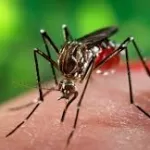
Dengue, a viral disease transmitted primarily by Aedes aegypti and Aedes albopictus mosquitoes, is now endemic in more than 100 countries across Africa, the Americas, the Eastern Mediterranean, South-East Asia, and the Western Pacific regions. The geographic footprint of these mosquitoes continues to expand, fueled by rapid urbanization and shifting global climate patterns.
The statistical reality of the crisis is stark:
-
14 Million+: The number of global dengue cases reported in 2024 alone.
-
10,000+: Dengue-related deaths recorded in 2024, representing an approximate doubling of metrics compared to 2023.
-
500,000: The estimated number of individuals who develop severe dengue requiring hospitalization each year, a major proportion of whom are children.
While non-severe dengue causes debilitating flu-like symptoms, severe dengue can lead to plasma leakage, fluid accumulation, severe bleeding, and organ impairment. Young children are at a substantially higher risk for these severe outcomes due to their developing immune systems and distinct physiological responses to capillary leakage.
The PADO Report: A Strategic Roadmap
The newly released report builds upon extensive technical consultations from a WHO-convened PADO meeting held on October 23, 2025. Developed in partnership with the Global Accelerator for Paediatric Formulations (GAP-f) network, the exercise united academic researchers, clinical experts, regulators, donors, and product development partnerships to address a long-standing gap in tropical medicine.
Historically, therapeutics are designed, tested, and approved for adults before researchers pivot to pediatric formulations—a delay that can take years, leaving children without equitable access to modern medicine.
“Children must be considered from the beginning of dengue therapeutics development, not after products have already been designed for adults,” said Dr. Meg Doherty, Director of Science for Health at WHO. “This report provides a practical signal to researchers, developers, regulators, and funders on what is needed to ensure that future dengue treatments are appropriate, acceptable, and usable for children.”
Dr. Daniel Ngamije Madandi, Director of the Department of Malaria and Neglected Tropical Diseases at WHO, echoed the urgent need for a unified global response. “Dengue is a growing threat to children, and silence is not an option,” Dr. Madandi emphasized. “To prevent severe disease and save lives, children need access to safe, appropriate formulations and treatments designed for their needs.”
Priority Candidates and Development Timelines
A core achievement of the PADO guidance is the creation of the first-ever pediatric priority and watch lists for dengue therapeutics. These lists serve as an investment guide for pharmaceutical developers and global health donors.
Pediatric Drug Optimization (PADO) Candidates for Dengue
| List Type | Identified Candidate | Estimated Timeframe | Current Development Status |
| Priority List | Novel Monoclonal Antibody | 3–5 Years | Advanced stage; currently being tested in pediatric cohorts from 5 years of age. |
| Watch List | Four Additional Therapeutic Candidates | Medium to Longer Term | Early-stage development; requires continuous monitoring and basic research attention. |
The novel monoclonal antibody sitting atop the priority list represents the closest prospect for a targeted clinical intervention. Monoclonal antibodies act like laboratory-engineered cruise missiles, designed to bind to the virus and neutralize its ability to infect cells. However, experts note that pediatric drug design requires sophisticated “Fc engineering”—a process that alters the antibody to ensure it balances high antiviral potency without inadvertently triggering severe immune reactions unique to children.
Tailoring Clinical Trials to Pediatric Realities
The WHO guidance stresses that pediatric clinical trials cannot simply treat children as “miniature adults.” Pediatric drug trials must be planned early in the clinical development lifecycle—specifically as soon as initial safety data in adults becomes clear.
Crucially, trial designs must account for the complex physiological and nutritional variations that alter how a child’s body processes both the virus and potential medications:
-
Differences in Disease Presentation: Children often present with atypical symptoms or experience rapid escalations to severe shock phases faster than adults.
-
The Impact of Obesity: Pediatric obesity significantly alters drug metabolism and elevates disease risks. Research indicates that children with obesity face an odds ratio of 1.96 for contracting dengue infection and are twice as likely to be hospitalized compared to leaner peers. They are also highly prone to unusual, severe complications like encephalopathy (brain inflammation).
-
The Reality of Malnutrition: Conversely, malnourished children statistically show a lower initial risk of contracting symptomatic dengue, yet face a significantly higher risk of rapidly developing life-threatening hypovolemic shock once infected.
Public Health Implications and Expert Perspectives
Independent global health organizations have widely praised the initiative. The Drugs for Neglected Diseases Initiative (DNDi), an organization that has actively managed dengue research portfolios for years, views the framework as a turning point for international collaboration.
“DNDi welcomes the PADO report as an important step towards aligning the dengue therapeutics community around children’s needs,” stated Dr. Luis Pizarro, Executive Director of DNDi. “By identifying priority candidates, formulation considerations, and research gaps, the report can help developers and funders focus efforts where they can have the greatest impact for children living in dengue-endemic settings.”
For families living in high-burden regions, the guidance represents a structural shift toward a future where a targeted cure might exist. However, public health officials emphasize that while drug development moves forward, immediate prevention remains paramount. Until these therapeutics clear clinical trials, communities must rely on environmental vector control, protective clothing, and insect repellents to mitigate transmission.
Currently, the case-fatality rate for severe dengue can hover around 5%. However, when healthcare systems achieve timely clinical recognition and initiate rigorous supportive care—specifically meticulous intravenous fluid resuscitation during the critical plasma-leakage phase—mortality rates can be successfully driven below 1%.
Challenges and Limitations Moving Forward
While the PADO framework provides an indispensable roadmap, global health experts urge realistic expectations regarding the hurdles ahead:
-
No Immediate Relief: The priority monoclonal antibody remains in the developmental pipeline. A licensed, widely accessible pediatric therapeutic is still at least three to five years away.
-
Trial Complexity: Managing pediatric clinical trials across diverse age groups requires distinct regulatory approvals, parental consent protocols, and specialized pediatric medical infrastructure.
-
Resource Constraints: Many of the countries experiencing the highest dengue burdens lack the advanced laboratory infrastructure and clinical staff required to host complex, multi-center pediatric therapeutic trials.
-
Persistent Evidence Gaps: While the link between a child’s nutritional status and dengue severity is documented, deep mechanistic research into how metabolic health alters viral replication remains limited.
The PADO framework for dengue builds on identical, highly successful optimization models previously executed by the WHO to accelerate treatments for respiratory syncytial virus (RSV), malaria, epilepsy, and sickle cell disease. By placing children at the forefront of the drug design agenda, the global health community hopes to neutralize the threat of severe dengue before the next major seasonal surge.
Medical Disclaimer: This article is for informational purposes only and should not be considered medical advice. Always consult with qualified healthcare professionals before making any health-related decisions or changes to your treatment plan. The information presented here is based on current research and expert opinions, which may evolve as new evidence emerges.
References
- https://www.who.int/news/item/15-06-2026-who-issues-first-ever-guidance-to-advance-child-focused-dengue-treatments