 0
0
 0
0
THIRUVANANTHAPURAM — As seasonal rains begin to saturate the lush landscapes of Kerala, health authorities have issued a familiar but urgent alert. The recent detection of West Nile Fever (WNF) clusters in the districts of Malappuram, Kozhikode, and Thrissur has reignited a public health conversation about a virus that has quietly circulated within the state for over a decade.
While the majority of those infected will experience nothing more than a mild flu-like illness, the potential for severe neurological complications in vulnerable populations has prompted the Kerala Health Department to intensify vector-control measures and community awareness campaigns.
The Current Situation: A Pattern of Persistence
In May 2024, Kerala health officials confirmed a rise in West Nile virus (WNV) activity, a trend that continued into early 2025. This is not a new intruder; the virus was first significantly documented in the state in 2011. However, recent data suggests a persistent presence. A 2025 review indexed in PubMed highlighted that Kerala’s unique ecology—characterized by extensive wetlands, high forest cover, and migratory bird habitats—provides a perfect “niche” for the virus to thrive.
Statistics from the first half of 2024 reported approximately 27 confirmed neuroinvasive cases, with a total of 36 cases identified across seven districts by the end of that year. These numbers, while seemingly small, represent the “tip of the iceberg,” as they typically only account for the most severe cases requiring hospitalization.
Transmission: The Bird-Mosquito-Human Cycle
Understanding how West Nile Virus moves through the environment is critical for prevention. Unlike many respiratory viruses, WNV is not spread through casual person-to-person contact. Instead, it relies on a complex biological cycle.
-
The Reservoir: Wild birds are the primary hosts. When a mosquito bites an infected bird, it picks up the virus.
-
The Vector: Mosquitoes, specifically those in the Culex genus, then carry the virus.
-
Incidental Hosts: Humans and other mammals (like horses) are “dead-end” hosts. This means that while we can get sick from a mosquito bite, we do not develop high enough levels of the virus in our blood to pass it back to other mosquitoes.
“The persistence of the virus in Kerala is a classic example of how environmental factors dictate public health risk,” notes Dr. Anjali Menon, an infectious disease specialist (not involved in the current state response). “When you have the intersection of migratory bird paths and high densities of Culex mosquitoes in water-logged areas, the risk to the human population becomes a mathematical certainty during specific seasons.”
Symptoms: From Mild Fever to Neurological Risk
The clinical presentation of West Nile Fever varies dramatically from person to person. According to the World Health Organization (WHO) and the CDC, the breakdown of symptoms usually follows this pattern:
-
Asymptomatic (80%): Eight out of ten people infected will show no symptoms at all.
-
West Nile Fever (20%): One in five will develop a fever accompanied by headaches, body aches, joint pains, vomiting, diarrhea, or a rash. Most recover completely, though fatigue can linger for weeks.
-
Neuroinvasive Disease (<1%): In rare cases (roughly 1 in 150 to 200), the virus crosses the blood-brain barrier, causing encephalitis (inflammation of the brain) or meningitis (inflammation of the membranes surrounding the brain and spinal cord).
Red Flags for Urgent Care:
If you or a loved one experience a high fever along with neck stiffness, stupor, disorientation, tremors, convulsions, or muscle weakness, seek emergency medical attention immediately.
The “Kerala Vulnerability”: Why Here?
Kerala’s geography is both its beauty and its burden. The state’s heavy monsoon rains and stagnant water in coconut husks, drainage channels, and plantations create ideal breeding grounds for Culex mosquitoes.
Furthermore, research published in the Journal of Medical Virology suggests that the consequences of an outbreak can be long-lasting. A follow-up study of the 2011 Kerala cohort found that some survivors of West Nile encephalitis continued to experience functional and neurological deficits a year after their initial recovery. This underscores the importance of preventing the infection entirely, rather than just managing the symptoms.
Prevention: Your Best Defense
Since there is currently no human vaccine for West Nile Virus, public health strategy relies heavily on “Source Reduction” and personal protection.
1. Mosquito Proof Your Home
-
Drain Standing Water: Empty flowerpots, buckets, and old tires weekly.
-
Check Gutters: Ensure rainwater flows freely and doesn’t pool.
-
Screens: Keep windows and doors screened to prevent mosquitoes from entering living spaces.
2. Personal Protection
-
Repellents: Use DEET, Picaridin, or IR3535 on exposed skin.
-
Clothing: Wear long-sleeved shirts and long pants, especially during dusk and dawn when Culex mosquitoes are most active.
Clinical Challenges and Limitations
One of the primary hurdles for doctors in Kerala is that West Nile Fever looks remarkably like other endemic diseases. “In the early stages, it is nearly impossible to distinguish WNF from Dengue or Japanese Encephalitis based on symptoms alone,” says Dr. Menon.
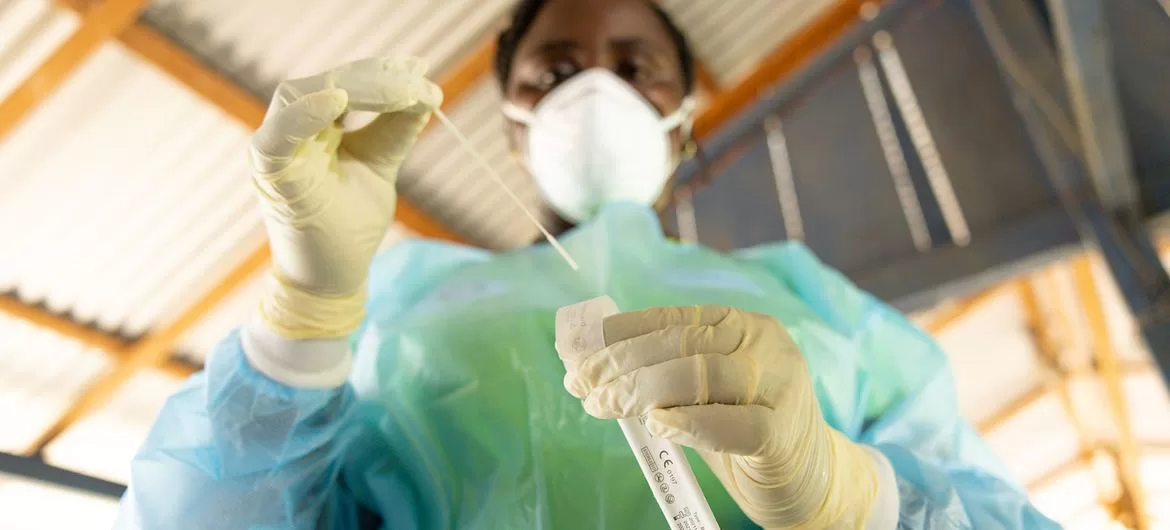
Because many cases are mild, they are often never tested, leading to an underestimation of the virus’s actual prevalence in the community. Health authorities are currently working to expand laboratory testing capacity across district hospitals to ensure faster and more accurate diagnosis.
The Bottom Line
The return of West Nile Fever to Kerala is a reminder of the ongoing battle against vector-borne diseases in a changing climate. While there is no cause for widespread panic, there is a significant need for heightened “mosquito literacy.” By eliminating breeding sites and protecting ourselves from bites, we can effectively break the chain of transmission and protect the most vulnerable members of our community.
Medical Disclaimer
This article is for informational purposes only and should not be considered medical advice. Always consult with qualified healthcare professionals before making any health-related decisions or changes to your treatment plan. The information presented here is based on current research and expert opinions, which may evolve as new evidence emerges.
References
https://www.ndtv.com/health/west-nile-fever-reported-in-kerala-early-signs-and-prevention-tips-you-should-know-11414353