 0
0
 0
0
Kolkata, West Bengal
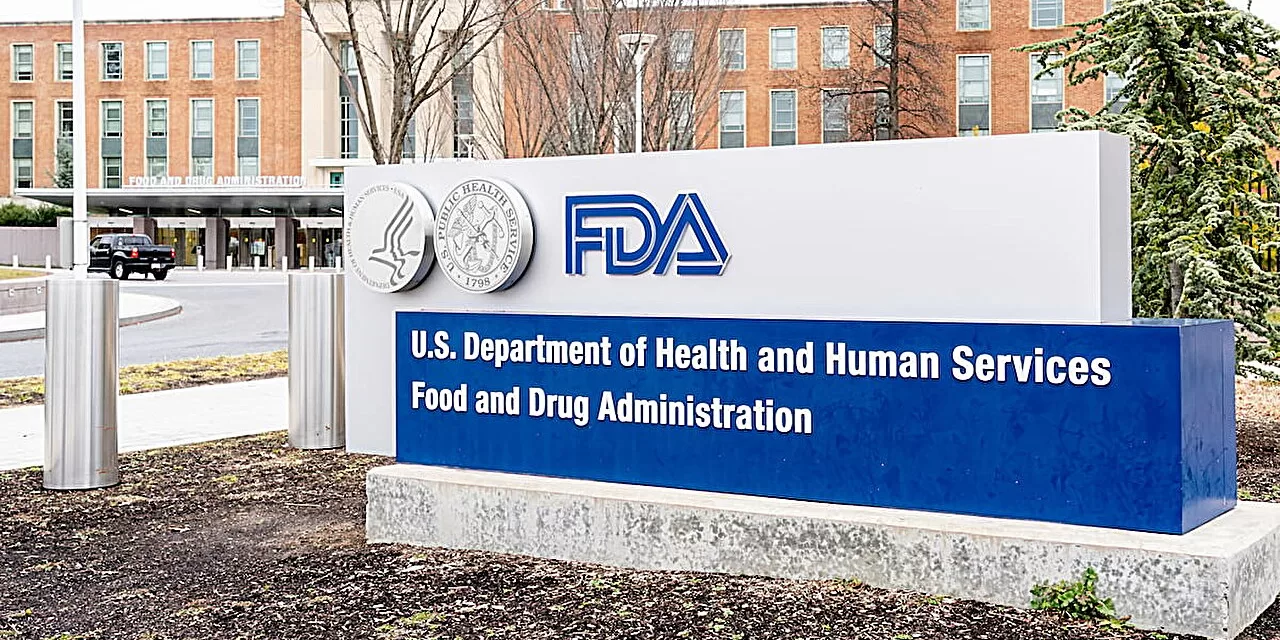
In a historic decision that fundamentally alters the landscape of pediatric endocrinology, the U.S. Food and Drug Administration (FDA) announced on Friday, June 12, 2026, the expanded approval of Sanofi’s Tzield (teplizumab-mzwv). This landmark ruling marks the first time a disease-modifying therapy has been authorized for children and adolescents newly diagnosed with clinical Stage 3 type 1 diabetes (T1D).
Specifically covering young patients aged 8 to 17 years who received their diagnosis within the preceding six weeks, the monoclonal antibody therapy aims to preserve the body’s remaining insulin-producing cells. For decades, the standard of care for type 1 diabetes has focused strictly on managing symptoms through external insulin delivery. This approval represents a profound paradigm shift: moving beyond symptom control to actively slow the progression of the underlying disease itself.
The Breakthrough Science: Key Findings from the PROTECT Study
The FDA’s regulatory decision was heavily informed by robust data from the Phase 3 PROTECT clinical trial ($NCT03875729$), a randomized, double-blind study involving 328 children and adolescents. All participants were aged 8 to 17 and had been diagnosed with Stage 3 T1D within six weeks of entering the trial. The cohort was randomized in a 2:1 ratio to receive either two 12-day courses of intravenous teplizumab or a placebo.
Over an 18-month (78-week) observation period, the results demonstrated a stark difference between the two groups:
-
Beta Cell Preservation: Patients treated with Tzield experienced a significantly lesser reduction in insulin-producing beta cell function.
-
C-Peptide Metrics: In the intent-to-treat population, teplizumab showed a highly statistically significant least-squares mean difference in C-peptide change from baseline to Week 78 of $0.13 \text{ pmol/mL}$ compared to the placebo ($p < 0.001$).
Why C-Peptide Matters: C-peptide is a byproduct created when the pancreas produces insulin. Measuring its concentration in the blood serves as a highly accurate biomarker for surviving, functional beta cells. Higher C-peptide levels mean the body is successfully producing more of its own insulin.
Decoding the Trajectory: Understanding Type 1 Diabetes Staging
To appreciate the significance of this approval, it helps to view type 1 diabetes through its established staging system, originally developed by the Type 1 Diabetes TrialNet international research network.
| Stage | Clinical Characteristics | Symptom Status |
| Stage 1 | Presence of 2 or more T1D-related autoantibodies; normal blood glucose (normoglycemia). | Presymptomatic; no visible symptoms. |
| Stage 2 | Presence of 2 or more autoantibodies; abnormal blood glucose levels (dysglycemia). | Presymptomatic; no visible symptoms. |
| Stage 3 | Significant beta cell destruction; clinical hyperglycemia (high blood sugar). | Clinical Diagnosis: Classic symptoms present (excessive thirst, frequent urination, weight loss, blurred vision, fatigue). |
Historically, the public has associated a diabetes diagnosis exclusively with Stage 3, the point at which the pancreas can no longer manufacture enough insulin to sustain life, making lifelong insulin therapy mandatory. Tzield was initially approved by the FDA in 2022 to delay the onset of Stage 3 in patients with Stage 2 disease, with an expansion in April 2026 lowering the eligible age to one year old. This latest approval, however, changes the playbook by stepping directly into Stage 3 to rescue remaining pancreatic tissue.
Expert Perspectives on the Paradigm Shift
Independent medical experts have widely celebrated the announcement. Dr. Judy Kowalski, Ph.D., CEO of the global research and advocacy group Breakthrough T1D, characterized the regulatory milestone as an unprecedented victory for families.
“The authorization of Tzield for those aged 8–17 with Stage 3 type 1 diabetes is a significant advancement that underscores the critical nature of preserving beta cells and offers a chance to alter the trajectory of the disease for those affected by T1D,” Kowalski stated. “A delay in the total loss of insulin production will have long-term benefits for blood-sugar control, and the reduction in acute and long-term complications will have a tremendous impact on the daily lives of people with type 1 diabetes, their families, and our overall health system.”
Dr. Kevan Herold, M.D., a prominent immunobiologist at Yale University who has spent decades studying the immunotherapies behind diabetes progression, previously highlighted the profound capabilities of immune modulation at the American Diabetes Association’s Scientific Sessions. Investigators emphasize that even a fractional preservation of self-made insulin drastically reduces the risk of long-term vascular, renal, and ocular complications.
Prolonging the “Honeymoon Period”
For children experiencing a fresh Stage 3 diagnosis, the immediate clinical objective of Tzield is to prolong what endocrinologists refer to as the “honeymoon period.”
When type 1 diabetes is first diagnosed, a small percentage of the patient’s beta cells are typically still functioning. As standard insulin injections are introduced, the metabolic stress on these surviving cells temporarily decreases, allowing them to continue producing small amounts of biological insulin. This honeymoon phase typically lasts from a few months to a year, providing smoother, safer, and more predictable blood sugar management.
By actively shielding these surviving beta cells from ongoing autoimmune destruction, Tzield extends this window of partial insulin independence. Though it is not a cure and does not eliminate the eventual necessity of intensive insulin regimens, it keeps blood glucose levels significantly more stable and manageable during a critical adjustment period for the child.
Safety Profile and Trial Limitations: A Balanced View
As a monoclonal antibody, Tzield functions by subtly recalibrating the immune system to temper its attack on the pancreas. However, modulating immune responses carries inherent clinical risks that parents and providers must carefully weigh.
Common Adverse Reactions
Data from clinical safety profiles show that the most frequent side effects (occurring in more than 10% of patients) include:
-
Lymphopenia: A temporary drop in white blood cell counts (lymphocytes). In most patients, lymphocyte levels began recovering after the fifth day of the 12-day infusion course and normalized within two weeks.
-
Leukopenia (low overall white blood cell count).
-
Skin rashes and headaches.
Severe Risks and Limitations
More severe, though less frequent, adverse events observed during trials included Cytokine Release Syndrome (CRS)—a systemic inflammatory response characterized by fevers and nausea—and acute hypersensitivity reactions like serum sickness or temporary liver enzyme elevations. Furthermore, clinical data indicated that infections occurred more frequently in the teplizumab group compared to the placebo cohort (9% versus 0%), though notably, these infections manifested more than two weeks after the completion of the therapy cycle.
Critically, independent analysts point to several limitations in the current body of research. Secondary endpoints within the PROTECT study—such as total daily required insulin doses, glycated hemoglobin ($HbA1c$) percentages, and time-in-target glucose range—did not exhibit dramatic statistical variance between the treatment and placebo groups over the 78 weeks. This underscores that the therapy’s primary utility is biological beta-cell preservation rather than immediate, drastic reductions in daily finger-pricks or continuous glucose monitor (CGM) metrics. Long-term pediatric data regarding overall safety and potential risks of delayed malignancy also require ongoing tracking.
Public Health Implications and Next Steps for Families
From a public health standpoint, the societal benefits of delaying full-scale pancreatic failure are substantial. Preserving native beta cell function helps prevent emergency hospitalizations due to Diabetic Ketoacidosis (DKA)—a life-threatening metabolic state that frequently occurs at the time of a type 1 diabetes diagnosis. Furthermore, slowing the disease gives families an invaluable window to acclimate to carbohydrate counting, glucose tracking, and tech interfaces before complete insulin dependence sets in.
For parents navigating a new diagnosis in a child aged 8 to 17, time is of the essence. Because the FDA approval strictly mandates that administration must begin within six weeks of a Stage 3 clinical diagnosis, immediate consultation with a pediatric endocrinologist is necessary to determine eligibility. The therapy is delivered via a 14-day sequence of daily intravenous (IV) infusions, requiring a dedicated medical plan and comprehensive baseline screening for pre-existing infections or liver irregularities.
As Sanofi pursues similar regulatory approvals across the European Union, the diabetes community looks forward to a future where type 1 diabetes is managed not just from a pharmacy vial, but at the cellular level.
Medical Disclaimer
This article is for informational purposes only and should not be considered medical advice. Always consult with qualified healthcare professionals before making any health-related decisions or changes to your treatment plan. The information presented here is based on current research and expert opinions, which may evolve as new evidence emerges.
References
https://www.reuters.com/legal/litigation/fda-approves-sanofis-drug-stage-3-type-1-diabetes-children-2026-06-12/