 0
0
 0
0
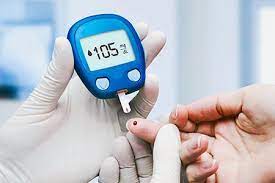
SILVER SPRING, Md. — In a milestone decision that could reshape pediatric metabolic health monitoring, the U.S. Food and Drug Administration (FDA) announced it has cleared the first over-the-counter (OTC) continuous glucose monitor (CGM) specifically for children. The clearance allows Dexcom Inc.’s Stelo Glucose Biosensor System to be sold directly to consumers without a prescription for individuals aged two and older who do not use insulin. Previously restricted to adults 18 and older since March 2024, this expansion marks the first time federal regulators have authorized an OTC glucose-tracking wearable for the pediatric population.
Intervening in a Growing Public Health Crisis
The regulatory shift arrives amid a stark increase in metabolic health challenges among American youth. Newly published surveillance data from the Centers for Disease Control and Prevention (CDC) reveals that nearly one-third of American adolescents aged 12 to 17 had prediabetes in 2023. This equates to approximately 8.4 million youth, or 32.7% of the adolescent population—a substantial rise from previous estimations indicating that one in five children were affected.
Prediabetes represents a clinical state where blood sugar levels are chronically elevated but do not yet meet the diagnostic threshold for Type 2 diabetes. Without early intervention, individuals with prediabetes face an elevated risk of progressing to full-onset Type 2 diabetes. Academic tracking by the SEARCH for Diabetes in Youth Study demonstrates that the prevalence of youth-onset Type 2 diabetes has doubled over the past two decades. Epidemiological modeling from the CDC projects that if the historic 2.3% annual increase in diagnoses continues, the prevalence of Type 2 diabetes among individuals under the age of 20 will quadruple within the next 40 years.
“Children deserve access to the best tools available to manage their health,” said Michelle Tarver, M.D., Ph.D., Director of the FDA’s Center for Devices and Radiological Health, in a public statement. “Today’s clearance reflects the FDA’s commitment to fostering innovation for pediatric patients and supporting the safe and effective use of medical devices where children live, learn, and play.”
How the Technology Works
The Stelo system utilizes a small, wearable sensor typically applied to the back of the upper arm. The sensor utilizes an enzyme-coated microfilament to sample the interstitial fluid—the fluid between cells just beneath the skin—to measure glucose concentrations. This sensor pairs via Bluetooth with a compatible smartphone application managed by the pediatric patient, a parent, or a primary caregiver.
Key Technical and Operational Features:
-
Measurement Frequency: The device measures, records, and updates glucose data every 15 minutes, mapping visual trend lines directly within the application.
-
Sensor Longevity: Each disposable sensor is rated to last up to 15 days. However, the FDA noted that actual sensor wear time may be shorter in children due to physiological variables (such as higher skin cell turnover) and behavioral factors (including vigorous play or sports).
-
Glycemic Awareness: By offering a visual timeline of glucose fluctuations, the system allows families to observe how specific meals, physical activities, and stress levels immediately impact metabolic curves.
To evaluate safety and efficacy for younger users, federal regulators utilized Real-World Evidence (RWE). Dexcom and the FDA combined historical data from previous pediatric and adult clinical trials with real-world datasets tracking active integrated CGM performance. This statistical modeling allowed the agency to confirm that the device maintained its performance metrics when applied to pediatric biometrics over the full 15-day lifecycle.
Accuracy, Safety Profiles, and Clinical Boundaries
In evaluation trials, the biosensor system demonstrated a Mean Absolute Relative Difference (MARD) of 8.3%. MARD is the standard statistical metric used to quantify CGM accuracy; it measures the average percentage deviation between the wearable sensor’s readings and a standardized laboratory blood glucose reference. A lower percentage indicates higher precision, with Stelo’s 8.3% rating representing an approximate 93% accuracy rate. Adverse events reported during clinical reviews were localized and mild, limited to temporary skin irritation, minor local infection, or brief discomfort at the insertion site.
Despite its clinical precision, the FDA emphasized distinct parameters and safety boundaries for the OTC device:
Critical Device Limitations
No Hypoglycemia Alerts: The Stelo system does not feature built-in alarms to warn users of acute hypoglycemia (dangerously low blood sugar). Because of this, the system is strictly contraindicated for individuals with problematic hypoglycemia or those using insulin therapies where missing a low blood sugar drop could result in medical emergencies.
Dialysis Exclusion: The system is not cleared or validated for individuals undergoing dialysis treatments.
Psychological Considerations: Individuals with a personal or family history of disordered eating or diagnosed eating disorders are advised to consult their healthcare provider before initiating continuous glucose tracking to avoid potential hyper-fixation on biometric data.
Caregiver Oversight: For all pediatric applications, the device must be utilized under the direct supervision of an adult caregiver.
Shifting Barriers to Access and Medical Sentiment
For years, the adoption of continuous glucose monitoring faced steep hurdles within pediatric care. A multi-center study of pediatric endocrinologists published in Pediatric Diabetes revealed that historically, only 11% of pediatric patients with type 1 diabetes utilized continuous monitoring systems, with 76% of specialists reporting that fewer than a quarter of their young patients had ever tried the technology. While that study evaluated type 1 populations, it highlighted broader systemic barriers, including strict insurance authorization pathways, high out-of-pocket costs, and rigid prescription requirements.
Independent medical societies have increasingly moved toward supporting early biomonitoring. A 2024 global consensus statement issued jointly by the Pediatric Endocrine Society (PES), the European Society for Pediatric Endocrinology (ESPE), and the International Society for Pediatric and Adolescent Diabetes (ISPAD) confirmed that continuous glucose tracking provides distinct benefits. The panel noted that real-time visibility significantly enhances baseline understanding of diabetes management, stabilizes daytime insulin or therapeutic dosing, and provides families with concrete data to manage glucose trends safely.
Economics of Retail Medical Devices
By bypassing the traditional pharmacy prescription counter, the system alters the financial landscape of diabetes tech. Dexcom has launched the system at a retail price of $99 for a one-time order of a two-pack (providing a 30-day supply) or $89 per month via an automated delivery subscription model.
| Metric / Feature | Retail OTC Glucose Monitor (Stelo) | Traditional Prescription CGM Systems |
| Prescription Required | No | Yes |
| Upfront Cost | $89 – $99 per month | Varies; often high out-of-pocket if deductibles aren’t met |
| Insurance Pre-Approval | None required for purchase | Frequently requires prior authorization and clinical justification |
| Tax Advantages | FSA and HSA eligible for immediate reimbursement | Eligible, but tied to prescriptive medical necessity |
While manufacturer statements indicate long-term plans to pursue commercial insurance coverage for the OTC line, the current cash-pay tier sits significantly below the historical out-of-pocket cost of prescription-only models for families lacking premium device coverage.
Integration into Modern Healthcare Frameworks
The expansion of this device coordinates directly with the FDA’s broader Home as a Health Care Hub initiative. This regulatory framework is designed to transition chronic disease management from traditional clinical settings directly into the patient’s home environment by supporting consumer-friendly, high-fidelity medical devices.
However, clinical experts urge caution regarding self-directed medical interpretations. Data presented at the international ENDO 2023 conference highlighted that children and teenagers utilizing glucose wearables frequently disable or misconfigure threshold settings, or fail to act on long-term data trends without structured support.
Public health advocates note that while removing the prescription barrier democratizes data, it does not replace medical education. Families utilizing the device to manage prediabetes or mild, non-insulin-dependent Type 2 diabetes are strongly encouraged to use the gathered data in partnership with pediatricians or registered dietitians. The real-world data points should serve as a educational roadmap to evaluate how dietary patterns, sleep, and physical activity alter a child’s metabolic baseline, rather than as a tool for independent medical dosing adjustments.
Medical Disclaimer
This article is for informational purposes only and should not be considered medical advice. Always consult with qualified healthcare professionals before making any health-related decisions or changes to your treatment plan. The information presented here is based on current research and expert opinions, which may evolve as new evidence emerges.
References
- https://www.reuters.com/business/healthcare-pharmaceuticals/fda-clears-first-over-the-counter-glucose-monitor-children-2026-06-12/