 0
0
 0
0
NEW DELHI — In a landmark move for public health accountability, the Central Information Commission (CIC) has formally challenged the Indian Council of Medical Research (ICMR) over its claims that it does not possess granular, participant-level data from the pivotal clinical trials of India’s indigenous rotavirus vaccine, Rotavac.
The directive, issued in late April 2026, follows a persistent Right to Information (RTI) appeal by activist Amrita Johri. Information Commissioner Jaya Varma Sinha has ordered the ICMR to conduct an exhaustive fresh search for the records or submit a formal non-judicial stamp paper affidavit confirming their non-availability. The ruling strikes at the heart of a decade-long debate: How much data from government-funded clinical trials should be accessible to the public?
The Core of the Dispute: Safety and the 116E Strain
At the center of the controversy is the Phase III trial of the 116E strain vaccine, which involved approximately 6,800 infants across sites in Delhi, Pune, and Vellore. While the vaccine has been a cornerstone of India’s Universal Immunization Programme (UIP) since 2016, Johri’s RTI sought specific data on adverse events—specifically intussusception, a rare but serious condition where one part of the intestine slides into the next, like a collapsing telescope.
While the ICMR maintains that trial protocols are preserved, it claimed that individual participant data (IPD) is not maintained by the council. The CIC found this explanation unsatisfactory, labeling the ICMR’s previous handling of the request as “cavalier.”
“Transparency in clinical trials is not just a bureaucratic requirement; it is a fundamental pillar of public trust,” says Dr. Jacob Puliyel, a veteran pediatrician and vaccine safety advocate who has long called for the disclosure of segregated trial data. “Without accessible raw data, independent verification of safety signals like intussusception remains impossible.”
A Look at the Evidence: What We Know About Rotavac
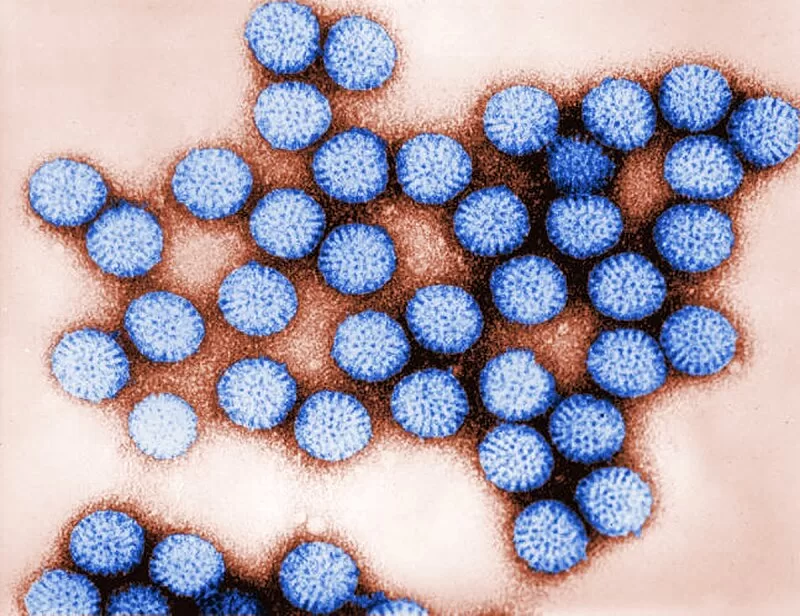
Developed indigenously by Bharat Biotech with significant support from the Department of Biotechnology (DBT) and the ICMR, Rotavac was designed to combat rotavirus—a leading cause of severe, dehydrating diarrhea in children under five. Before the vaccine’s introduction, rotavirus was responsible for an estimated 40,000 to 50,000 deaths annually in India.
Key Trial Statistics (Phase III):
-
Participants: ~6,800 infants.
-
Efficacy: 53.6% against severe rotavirus gastroenteritis in the first year.
-
Impact: Credited with preventing over 34,000 deaths annually since integration into the UIP.
-
Cost: Significant as a public health tool, priced at under $1 per dose.
Published results in The Lancet in 2014 indicated a robust safety profile, with no significant excess risk of intussusception detected in the initial cohort. However, experts note that Phase III trials are often too small to detect extremely rare side effects, which may only appear once millions of doses are administered. This makes post-marketing surveillance and access to original trial data critical for ongoing safety assessments.
Public Health vs. Administrative Policy
The ICMR’s position—that aggregated data is sufficient for regulatory approval and that individual records are not typically retained by the funding body—reflects standard historical practice. In many instances, individual data is anonymized or managed by the primary investigators at specific hospital sites rather than a central government body.
However, RTI advocates argue that when a trial is taxpayer-funded and the product is administered to millions of children, the standards for data retention must be higher.
“The scale of the Universal Immunization Programme necessitates a higher level of data stewardship,” explains Dr. Gagandeep Kang, a leading virologist and investigator on early 116E studies. While not commenting directly on the CIC order, Dr. Kang has frequently emphasized in her research the necessity of robust pharmacovigilance to maintain public confidence in vaccines.
Implications for Healthcare Professionals and Parents
For the medical community, the CIC’s push for transparency is a double-edged sword. While data sharing can refine safety signals and enable meta-analyses, there are concerns that administrative disputes could be misconstrued as evidence of vaccine insecurity.
Current Medical Consensus:
-
-
Rotavac remains highly effective at preventing hospitalizations and deaths due to severe diarrhea.
-
The risk of intussusception remains extremely low, estimated globally at 1 to 5 cases per 100,000 doses.
-
Benefits outweigh risks: Health authorities emphasize that the dangers of rotavirus infection far exceed the rare risks associated with the vaccine.
-
The Road Ahead: A Precedent for Transparency
The ICMR now has a narrow window to comply with the CIC’s order. If an affidavit is filed confirming the data does not exist, it may spark further questions regarding the data retention policies for publicly funded medical research in India.
The case aligns with the emerging CONSORT 2025 guidelines, which advocate for more rigorous data-sharing practices and long-term follow-up reporting. As India continues to position itself as a global hub for vaccine manufacturing, the resolution of this transparency push will likely set the tone for future clinical trial accountability.
For now, healthcare providers are encouraged to continue following the UIP guidelines while staying informed about the evolving landscape of vaccine surveillance.
Medical Disclaimer: This article is for informational purposes only and should not be considered medical advice. Always consult with qualified healthcare professionals before making any health-related decisions or changes to your treatment plan. The information presented here is based on current research and expert opinions, which may evolve as new evidence emerges.
References
- https://theprint.in/india/rotavirus-vaccine-trial-data-cic-questions-icmrs-no-data-claim-seeks-affidavit/2918675/