 0
0
 0
0
Popular weight-loss medications celebrated for delivering dramatic health transformations could pose an unexpected, serious hazard for certain vulnerable patients: dangerously low blood pressure.
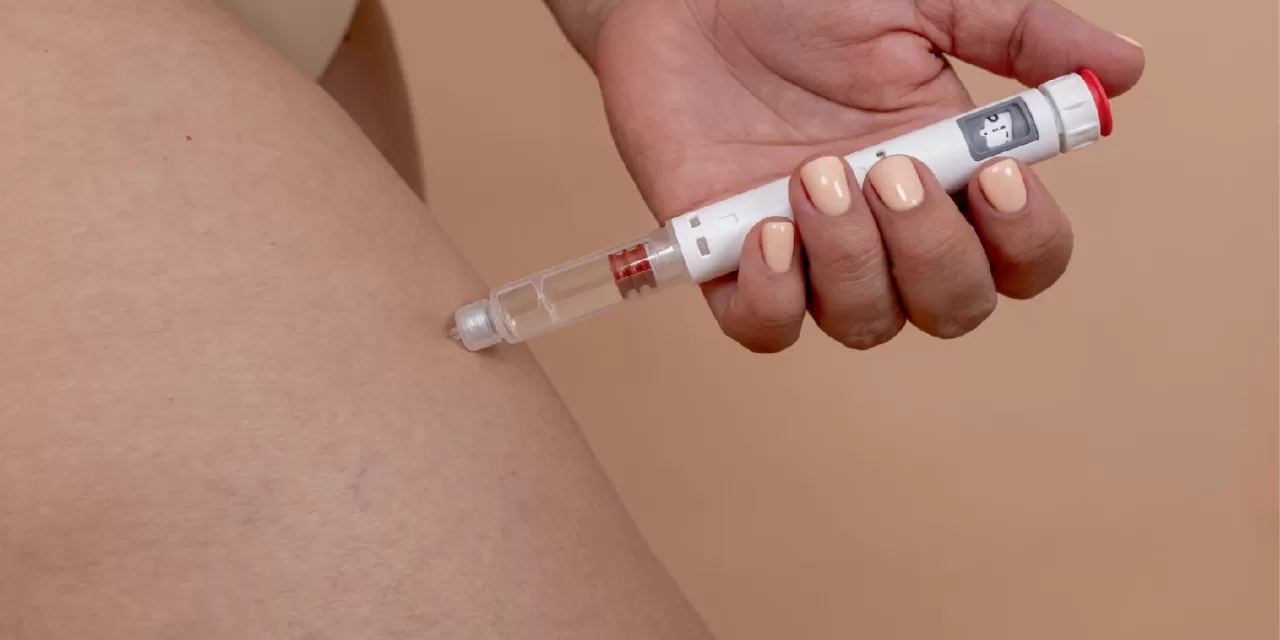
A major new study tracking more than 42,000 adults reveals that glucagon-like peptide-1 (GLP-1) receptor agonists—including blockbuster medications like semaglutide (Ozempic, Wegovy) and tirzepatide (Mounjaro, Zepbound)—significantly increase the likelihood of hypotensive episodes when taken alongside multiple blood pressure medications.
The breakthrough research, presented in June 2026 at the Endocrine Society’s annual meeting (ENDO 2026) in Chicago, found that hypotensive events rose sharply within six months of starting GLP-1 therapy. The heightened risk remained significant a full year into treatment, signaling a critical window where medical supervision must be intensified.
Inside the Northwestern Study: Tracking the Drop
The retrospective observational study, led by researchers at Northwestern Medicine, analyzed data from 42,262 patients aged 18 and older. Every participant in the cohort was already taking at least two distinct classes of antihypertensive medications before adding a GLP-1 receptor agonist (such as semaglutide, tirzepatide, or liraglutide) to their regimen.
Researchers tracked documented hypotensive events, which included diagnoses of low blood pressure, critically low clinical readings, dizziness, lightheadedness, fainting (syncope), and accidental falls.
The data revealed a distinct, critical risk timeline:
-
6 Months: Hypotensive events rose from a baseline of 8.7% to 10.2% after starting GLP-1 therapy.
-
12 Months: Cumulative events climbed from 13.6% to 14.3%.
-
24 Months: The gap eventually narrowed (17.7% compared to 18.1%), becoming less statistically significant.
The earliest months of treatment carry the clearest risk, according to the findings. Senior study author Dr. Micah J. Eimer, a cardiologist at Northwestern Medicine’s Feinberg School of Medicine, initiated the research after repeatedly encountering dizzy patients in his clinic.
“I’m a big proponent of GLP-1s, they are huge,” Dr. Eimer noted. “I’m just saying, let’s watch out for hypotensive events in select patients because I think there’s the potential to do harm.”
Who Faces the Greatest Risk?
While the entire cohort faced elevated risks, the study revealed that the danger was overwhelmingly concentrated within two specific patient populations:
| High-Risk Patient Group | Share of Total Study Population | Share of Total Hypotensive Events |
| Adults Aged 65 and Older | 37% | 53% |
| Patients with Type 2 Diabetes | 63% | 75% |
Physiologically, these numbers point to distinct biological vulnerabilities. As the human body ages, arteries naturally grow stiffer and less responsive to sudden circulatory changes. Consequently, a rapid drop in blood pressure hits older adults harder, and their bodies recover more slowly—leaving an elderly patient profoundly lightheaded where a younger individual might feel no symptoms at all.
Similarly, years of chronic high blood sugar in patients with type 2 diabetes can cause autonomic neuropathy—damage to the nerves that unconsciously regulate blood pressure. This disrupts the body’s automatic vascular adjustments required to maintain steady blood flow to the brain when standing up.
Beyond Weight Loss: The Unexplained Vascular Mechanism
Medical professionals have long recognized that weight loss naturally brings down blood pressure. In fact, a massive meta-analysis of 32 studies involving 43,618 adults, presented at the European Congress on Obesity in May 2026, confirmed this exact relationship. The analysis showed that obesity medications produce an average $0.34\text{ mmHg}$ reduction in systolic blood pressure per 1% of body weight lost. For example, tirzepatide achieved a stark $10.2\text{ mmHg}$ systolic decrease alongside a 22.8 kg weight loss, while semaglutide produced a $7.7\text{ mmHg}$ drop with 15.0 kg lost.
However, the Northwestern study uncovered a surprising twist: weight loss alone could not account for the spike in hypotension. When the research team statistically adjusted for the exact number of pounds each patient shed, the excess risk of low blood pressure remained completely intact.
Furthermore, the heightened risk persisted even though clinicians intervened; approximately 25% of the study’s patients had their blood pressure prescriptions trimmed or dropped entirely during the monitoring period.
What explains this hidden factor? “The drugs may act on blood vessels or on fluid balance in ways no one has pinned down yet,” the researchers noted.
Additionally, GLP-1 receptor agonists frequently cause gastrointestinal side effects, such as nausea and vomiting. If patients fail to consume sufficient food or fluids, acute dehydration and electrolyte imbalances can rapidly depress blood pressure independently of long-term weight reduction.
The Danger of Sudden Falls
A sudden plunge in blood pressure is far from a minor nuisance; it represents a major public health hazard. For older adults, a single severe fall can initiate a cascade of declining health, resulting in fractured hips, traumatic head injuries, or a permanent loss of independence.
According to standard medical definitions from the Cleveland Clinic, orthostatic (postural) hypotension is a drop of more than $20\text{ mmHg}$ systolic or $10\text{ mmHg}$ diastolic within three minutes of standing up. While a normal, healthy reading sits below 120/80 mmHg, dropping too far below that baseline deprives the brain of vital oxygen.
Warning Signs of Hypotension to Watch For:
-
Dizziness, lightheadedness, or feeling unsteady upon standing
-
Blurred or dimmed vision
-
Fainting (syncope) or brief blackouts
-
Unexplained fatigue, weakness, or confusion
-
Nausea or rapid heart palpitations
The Threat of Unsupervised Online Prescriptions
The rising popularity of obtaining GLP-1 medications through direct-to-consumer online platforms and digital subscription services has intensified concerns among cardiologists.
“I am particularly worried about the risk to patients who obtain GLP-1s without direct and ongoing clinical supervision,” Dr. Eimer warned. Many telehealth vendors prescribe these powerful metabolic drugs without verifying a patient’s current blood pressure readings, evaluating their existing medication lists, or checking for symptoms of orthostatic instability.
Without hands-on clinical oversight, a gradual, dangerous slide toward fainting and syncope can go entirely unnoticed until a patient ends up in the emergency department.
Changing the Clinical Approach
The Northwestern Medicine study transforms what was once considered scattered, anecdotal patient complaints into a quantifiable, clinical reality. Fortunately, experts emphasize that this risk is highly recognizable and entirely preventable.
For healthcare professionals, the data offers a clear mandate: when initiating a patient on a GLP-1 receptor agonist, existing antihypertensive regimens must be proactively managed. This includes implementing more frequent blood pressure checks during the first six months of therapy and lowering the dosages of conventional blood pressure pills before a debilitating fall occurs.
Practical Actionable Guidance for Readers
If you are currently taking or considering a GLP-1 medication alongside blood pressure drugs, take the following precautions:
-
Report Symptoms Instantly: If you feel the room “tilt” or experience lightheadedness when standing up, do not wave it off. Document the time of day and report it to your doctor immediately.
-
Prioritize In-Person Clinical Supervision: Avoid acquiring these medications from unregulated online storefronts. Ensure a primary care physician or specialist is actively tracking your vital signs.
-
Proactively Monitor Hydration: Because GLP-1s suppress appetite and can cause mild nausea, make a conscious effort to drink plenty of fluids and maintain adequate electrolyte intake throughout the day.
-
Expect Medication Adjustments: If you are over 65 or have type 2 diabetes, expect your physician to scale back your blood pressure pills as your metabolic health improves. Never alter your prescription doses on your own.
Medical Disclaimer
Medical Disclaimer: This article is for informational purposes only and should not be considered medical advice. Always consult with qualified healthcare professionals before making any health-related decisions or changes to your treatment plan. The information presented here is based on current research and expert opinions, which may evolve as new evidence emerges.
References
- https://www.earth.com/news/weight-loss-drugs-may-cause-blood-pressure-to-fall-too-low/