 0
0
 0
0
Read Time:5 Minute, 25 Second
Published: August 8, 2026
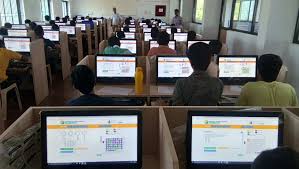
NEW DELHI — In a bid to safeguard the integrity of India’s healthcare system, a parliamentary committee report has called for an immediate, comprehensive overhaul of the country’s medical entrance examination ecosystem and rural workforce strategy. Highlighting vulnerabilities in the National Testing Agency’s (NTA) paper-based testing logistics—evidenced by administrative disruptions in recent examination cycles—the committee urged a phased transition toward Computer-Based Testing (CBT) for the National Eligibility-cum-Entrance Test (NEET-UG).
The recommendations position the NTA not merely as an exam administrator, but as a critical “upstream regulatory anchor” whose oversight directly shapes the competence of future doctors, the affordability of medical care, and public trust in the national health architecture. Beyond exam security, the parliamentary findings lay out a sweeping blueprint to democratize access for rural aspirants, curb hyper-commercialized coaching centers, dismantle legacy bureaucratic hurdles in medical education, and address chronic doctor shortages in remote regions.
Securing the Pipeline: From Paper Leaks to Encrypted Tech
The NEET-UG serves as the sole gateway for over two million students competing annually for undergraduate medical (MBBS), alternative medicine (AYUSH—including BAMS, BHMS, BUMS), and nursing seats across India. However, vulnerabilities inherent in printing, transporting, and storing physical question papers have repeatedly exposed the system to logistical failures and security breaches.
To achieve a “zero-error, tamper-proof testing environment,” the committee recommends a multi-layered transition strategy:
-
Computer-Assisted Secure Paper-based Testing (CPPT): As an immediate stopgap, the NTA should adopt CPPT, where question papers are encrypted, candidate-randomized, and printed locally inside secure examination rooms immediately prior to the test.
-
AI Analytics and Biometrics: Mandatory integration of multi-layered biometric authentication and real-time, AI-enabled CCTV analytics to detect room-level irregularities.
-
Phased Shift to Computer-Based Testing (CBT): A conditional, national transition away from traditional Pen-and-Paper Tests (PPT) to eliminate physical supply chains entirely.
“A single breach in a high-stakes exam like NEET does not just destroy student morale—it threatens the integrity of the medical profession,” said Dr. Sunita Narain, a senior medical educator and public health analyst who was not involved in drafting the report. “When paper-based logistics fail, merit is compromised. A secure, technology-driven testing model is essential to ensure that only the most capable and dedicated candidates enter medical schools.”
Dismantling Geographic and Financial Barriers
While a single standardized entrance test successfully eliminated exploitative “donation seats” and the burden of writing dozens of separate institutional entrance exams, physical barriers persist for lower-income and rural candidates.
       HISTORICAL VS. PROPOSED NEET-UG TESTING LOGISTICS

  Legacy Model                        Proposed Reforms
┌─────────────────────────┐         ┌─────────────────────────┐
│ • Vulnerable paper      │         │ • Encrypted/CPPT ->     │
│   supply chains         │         │   Full CBT transition   │
│ • Long travel to urban  │  ====>  │ • Mobile testing units  │
│   testing centers       │         │   & local school hubs   │
│ • Reliance on commercial│         │ • Strict coaching       │
│   coaching centers      │         │   regulation frameworks │
└─────────────────────────┘         └─────────────────────────┘
To bridge this gap, the committee recommends expanding secure, government-owned testing infrastructure by retrofitting institutions like Kendriya Vidyalayas, Navodaya Vidyalayas, and state universities. For the most isolated areas, the report calls for deploying specialized mobile testing units alongside priority center allocations and rationalized fee structures for female, differently-abled, and economically disadvantaged candidates.
Additionally, the report advocates adopting advanced psychometric vetting—combining Classical Test Theory with Item Response Theory (IRT)—to evaluate genuine aptitude rather than rote memorization. Coupled with the enforcement of strict government guidelines to regulate commercial coaching centers, the initiative aims to level the playing field for candidates relying solely on public school curricula.
Fixing the Rural Healthcare Void: Decentralization and Task-Shifting
A central theme of the parliamentary report is the direct link between entrance equity and rural doctor retention. Statistical data indicates that candidates from rural and lower socioeconomic backgrounds are significantly more likely to return to underrepresented provincial regions to practice.
To resolve persistent vacancies in primary healthcare, the committee recommends moving away from rigid, centralized recruitment:
-
Decentralized Hiring: Empowering district-level authorities to hire healthcare personnel based on local clinical needs, citing Karnataka’s digitalized recruitment of Community Health Officers (CHOs) as a national benchmark.
-
Incentive-Linked Postings: Offering comprehensive hardship allowances, housing guarantees, accelerated career progression, and preferential quotas for postgraduate medical seats to clinicians serving in remote areas.
-
Formalized Task-Shifting: Enabling trained nurses, mid-level providers, and community health workers to deliver defined clinical services under structured oversight.
-
Dedicated Public Health Cadres: Establishing specialized state-level public health management units to oversee disease surveillance and emergency response.
Removing Bureaucratic Bottlenecks in Medical Education
To scale up the supply of qualified physicians, the report urges the Ministry of Education and the National Medical Commission (NMC) to dismantle legacy regulatory hurdles. Key structural proposals include:
-
Eliminating the Essentiality Certificate: Removing the mandatory state-level certificate previously required to open a new medical college.
-
Streamlining Approvals: Replacing annual renewal visits from the Medical Assessment and Rating Board (MARB) with a self-regulatory mechanism driven by mandatory online disclosures.
-
Asset and Resource Sharing: Permitting universities to share physical infrastructure across institutions and reducing mandatory hospital lease requirements from 30 years to 25 years to lower capital barriers.
-
Visiting Faculty Inclusion: Allowing qualified visiting professors to count toward minimum institutional staffing thresholds, provided baseline teaching hours are met.
Balance, Counterarguments, and Limitations
While health policy experts have largely welcomed the recommendations, implementation carries notable operational challenges.
Transitioning two million simultaneous test-takers to a Computer-Based Test (CBT) requires massive digital infrastructure that many Tier-3 towns and rural districts currently lack. Computer literacy gaps among marginalized students could unintentionally create new hurdles if the transition is rushed. Furthermore, critics caution that relaxing regulatory norms for setting up medical colleges—such as shortening hospital leases and counting visiting faculty—must be monitored vigilantly by the MARB to ensure educational standards do not dilute in the name of expansion.
Nevertheless, if implemented transparently, the proposed roadmap offers a transformative path forward—connecting secure entrance testing directly to an equitable, highly competent medical workforce.
References
-
Parliamentary Standing Committee on Health and Family Welfare. (2026). Report on Medical Education, Testing Infrastructure, and Healthcare Human Resources (Paragraphs 4.2.90–4.2.98). Ministry of Education & Ministry of Health and Family Welfare, Government of India.
Medical Disclaimer: This article is for informational purposes only and should not be considered medical advice. Always consult with qualified healthcare professionals before making any health-related decisions or changes to your treatment plan. The information presented here is based on current research and expert opinions, which may evolve as new evidence emerges.


Happy
0 %

Sad
0 %

Excited
0 %

Sleepy
0 %

Angry
0 %

Surprise
0 %