 0
0
 0
0
Read Time:5 Minute, 13 Second
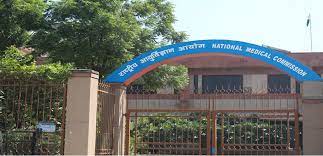
NEW DELHI — In a far-reaching report aimed at overhauling the landscape of Indian medical education, a Parliamentary Standing Committee has called for a aggressive push to make medical training affordable, eliminate ghost faculty, and expand clinical training into non-traditional public healthcare facilities.
The recommendations, aimed at the National Medical Commission (NMC) and the Ministry of Health and Family Welfare, target a long-standing paradox in India’s healthcare system: a severe shortage of specialized doctors existing alongside skyrocketing costs for medical education that risk commercializing healthcare delivery.
The panel’s report underscores that keeping tuition accessible is “critical to preventing the commercialization of healthcare delivery.” To address this, parliamentary members urged health authorities to stringently enforce regulations that cap tuition and administrative charges for 50 percent of seats in private medical colleges and deemed universities.
Curbing Hidden Costs and Enhancing Inclusivity
For decades, the high cost of earning a Bachelor of Medicine, Bachelor of Surgery (MBBS) degree in private institutions has forced many aspiring doctors from middle- and lower-income families out of the profession, or driven them abroad for medical studies.
To prevent private institutions from bypassing cost caps, the committee recommended leveraging existing financial tracking mechanisms under the Medical Assessment and Rating Board (MARB). By auditing institutional cost structures—including mandatory corpus fund disclosures and Chartered Accountant-certified financial solvency reports—regulators can eliminate hidden “capitation fees” (unauthorized upfront premiums).
“When medical education becomes an expensive financial investment, the pressure on graduates to recoup those costs can inadvertently alter clinical priorities,” says Dr. Arisudan Dutt, a veteran public health policy specialist not affiliated with the committee. “Capping fees and auditing financial structures isn’t just about student equity—it directly influences public health outcomes and out-of-pocket patient costs downstream.”
Modernizing Infrastructure and Accelerating Postgraduate Expansion
The committee endorsed the transition from legacy 1999 guidelines to the modern Minimum Standard Requirements (MSR) 2023 regulations. The newer framework optimizes physical infrastructure while elevating clinical exposure standards:
-
Optimized Bed Ratios: A 100-seat undergraduate medical college now requires 420 hospital beds (down from 500 under 1999 rules), while a 250-seat institution requires 900 beds (down from 1,100).
-
Higher Occupancy Thresholds: To offset lower bed counts, colleges must maintain an 80 percent mandatory bed occupancy rate, ensuring students encounter an active patient population.
-
Expanded Capacity: India’s aggregate postgraduate capacity now stands at approximately 80,000 seats, spanning AIIMS, Institutes of National Importance (INIs), and National Board of Examinations in Medical Sciences (NBEMS) tracks.
To scale specialist training rapidly without compromising clinical standards, the committee recommended allowing private medical colleges to launch postgraduate programs starting in their third operational year using streamlined faculty structures—requiring as few as two full-time faculty members (one Professor and one Associate or Assistant Professor) per specialty, contingent on real hands-on clinical volume.
Additionally, the report urges the government to tap non-traditional clinical assets, such as specialized Indian Railways and Industrial Mines hospitals, to expand residency footprints in underserved, hilly, and tribal zones.
Tech-Driven Surveillance: Eradicating “Ghost Faculty” and Fake Workloads
Historically, routine five-year physical inspections created systemic vulnerabilities, allowing some institutions to temporarily hire “ghost faculty” or manipulate patient registries during evaluation days.
The NMC’s shift toward continuous digital monitoring under the Maintenance of Standards of Medical Education Regulations (MSMER) 2023 replaces periodic physical inspections with annual online self-declarations, virtual renewals, and real-time IT reporting.
To enforce compliance, the parliamentary committee recommended full consolidation of biometric tracking and digital oversight:
[ Centralized Biometric System ]
       │
       ├── Tracks 400,000+ Faculty & Students (NIC App + Face Authentication)
       ├── API Integration with Hospital Management Systems (Unique ABHA Patient IDs)
       └── Live Classroom & Ward CCTV Streams (Shared NVR Network Links)
By linking patient clinical material directly to unique Ayushman Bharat Health Account (ABHA) numbers and streaming live CCTV footage from classrooms and clinical areas to central monitors, regulators aim to permanently eliminate the practice of presenting fake patients or temporary staff during institutional audits.
Shifting Focus: Community Medicine and Mandatory Generic Prescriptions
Beyond infrastructure and admissions, the panel’s recommendations tackle clinical training and consumer expenditure:
1. Rural Health Integration
The panel urged the Under-Graduate Medical Education Board (UGMEB) to refine the Competency-Based Medical Education (CBME) curriculum. By enforcing mandatory Village and Family Adoption Programmes, undergraduate trainees will spend structured time inside rural communities, learning firsthand the socio-economic barriers to primary healthcare access.
2. Mandatory Generic Drug Prescribing
Acknowledging that pharmaceutical expenditures constitute the largest share of out-of-pocket healthcare costs for Indian families, the committee directed the Ethics and Medical Registration Board (EMRB) to rigidly enforce codes mandating that doctors prescribe affordable generic molecules rather than branded drugs. The panel called for integrating the National Medical Register with public procurement databases and establishing automated grievance systems via State Medical Councils to audit prescribing patterns across both private and public hospitals.
3. Universal Exit Examinations
To maintain uniform clinical proficiency across all graduating cohorts, the committee re-emphasized the necessity of standardized exit examinations for both undergraduate and postgraduate tracks prior to full registration.
Counterarguments and Implementation Challenges
While public health advocates have largely welcomed the panel’s emphasis on affordability and digital transparency, representatives from private medical institutions raise operational concerns.
Some administrators argue that capping fees on 50 percent of seats without government subsidies could impair an institution’s ability to maintain high-end diagnostic technology or retain top-tier medical faculty. Others note that while digital monitoring curbs fraud, strict reliance on automated biometric tracking must account for connectivity bottlenecks in remote rural medical colleges.
Balancing strict regulatory oversight with the operational flexibility required to build world-class medical facilities remains the delicate tightrope Indian healthcare authorities must walk in the years ahead.
Medical Disclaimer
This article is for informational purposes only and should not be considered medical advice. Always consult with qualified healthcare professionals before making any health-related decisions or changes to your treatment plan. The information presented here is based on current research and expert opinions, which may evolve as new evidence emerges.
References
-
Parliamentary Standing Committee on Health and Family Welfare (2023/2024). Report on the Functioning of the National Medical Commission (NMC). Paragraphs 4.2.80 – 4.2.85. Rajya Sabha / Lok Sabha Secretariats, Government of India.


Happy
0 %

Sad
0 %

Excited
0 %

Sleepy
0 %

Angry
0 %

Surprise
0 %