 0
0
 0
0
NEW DELHI — In a milestone for global health, a major new modelling study reveals that high-income nations are on a definitive trajectory to eliminate cervical cancer as a public health threat by 2048. However, the report, published this week in The Lancet, issues a sobering warning: without a massive infusion of international investment and infrastructure, low- and middle-income countries (LMICs) face a future of stagnant progress and widening health inequality.
The analysis evaluates the feasibility of the World Health Organization’s (WHO) “90-70-90” strategy. While the tools to make cervical cancer a “rare disease” exist, the study underscores a stark reality: your geographical location remains the primary determinant of whether you survive a highly preventable cancer.
A Tale of Two Futures: 2048 vs. 2126
Cervical cancer has long been a bellwether for global health equity. The new data shows that under “status quo” prevention efforts, wealthy nations will reach the WHO elimination threshold—defined as fewer than four new cases per 100,000 women annually—in just over two decades.
In contrast, LMICs are projected to see a modest 23% drop in incidence over the same period. For many nations in sub-Saharan Africa and Southeast Asia, reaching the elimination benchmark could take well over a century at current rates.
However, the “90-70-90” targets offer a different path. If the following goals are met globally, researchers estimate up to 37 million cervical cancer cases could be averted over the next 100 years:
-
90% of girls fully vaccinated against HPV by age 15.
-
70% of women screened with a high-performance test at least twice in their lifetime (by ages 35 and 45).
-
90% of women identified with cervical disease receiving treatment and care.
The Science of Prevention: Why Success is Possible
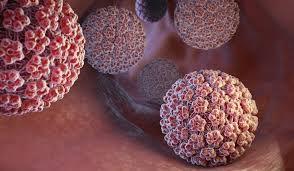
Cervical cancer is unique because its primary cause is well-understood: chronic infection with high-risk strains of the Human Papillomavirus (HPV). Unlike many other cancers, we possess a vaccine that prevents the cause and screening tools that can catch “pre-cancer” before it becomes invasive.
“HPV vaccination is the most effective primary prevention tool we have,” says Dr. Partha Basu, a senior official at the International Agency for Research on Cancer (IARC/WHO). Dr. Basu points to countries like Australia and Finland, which have already slashed incidence rates and are serving as blueprints for the rest of the world. “The combination of vaccination and high-performance testing is powerful enough to turn a leading cause of cancer death into a rare disease.”
Barriers to Progress: Beyond the Laboratory
Despite the scientific clarity, the “implementation gap” remains formidable. In many LMICs, the incidence rate exceeds 25 per 100,000 women, with mortality rates in nations like Malawi reaching tragic highs.
Dr. Ayesha DeCosta, an epidemiologist at the Public Health Foundation of India (not involved in the study), explains that the disparity is structural. “In high-income settings, national immunization programs and quality-assured screening have done the heavy lifting. In many LMICs, the same tools are patchy or underfunded. The same preventable disease looks like a different epidemic depending on where you live.”
Key Obstacles in LMICs:
-
Vaccine Supply & Cost: While global HPV vaccine coverage rose to 31% in 2024, nearly 50 high-burden LMICs have yet to introduce the vaccine into national schedules due to cost and supply volatility.
-
The “Pap Smear” Hurdle: Traditional cytology-based screening is difficult to sustain in resource-limited areas because it requires specialized labs and pathologists.
-
Social Barriers: “The technology is not the only problem; it’s also reach and trust,” notes Dr. Priya Shankar, a New Delhi-based obstetrician-gynecologist. “Fear of stigma and lack of information can prevent women from seeking care, even when it is available.”
Closing the Gap: Innovation as an Equalizer
The Lancet study suggests that reaching 90% vaccination coverage would eliminate the disease in almost every region except sub-Saharan Africa, where more intensive screening is also required.
Newer, more flexible strategies are showing promise. Single-dose vaccine schedules, recently endorsed by the WHO, could drastically lower costs and logistical burdens. Additionally, domestic innovations—such as Chinese-made bivalent and nonavalent HPV vaccines—are increasing the global supply.
On the screening front, the shift toward HPV DNA testing allows for self-collection (using vaginal swabs). This eliminates the need for a pelvic exam by a doctor, potentially bypassing the “stigma barrier” and reaching women in remote areas.
What This Means for You
For individuals, the message from the medical community is clear: Prevention is proactive.
-
For Parents: Ensure children (primarily girls, but increasingly boys in gender-neutral programs) receive the HPV vaccine at the recommended age, usually between 9 and 14.
-
For Adult Women: Regular screening remains vital. “Even a single high-quality HPV test, followed by appropriate treatment of precancer, can cut the risk of invasive cervical cancer by 60–70%,” says Dr. DeCosta.
-
Demand Better Testing: Where available, HPV DNA testing is now preferred over the traditional Pap smear due to its higher accuracy in detecting high-risk viral strains.
A Roadmap, Not a Guarantee
While mathematical models provide a hopeful outlook, they are not destiny. Experts warn that rising vaccine hesitancy and political instability could derail these projections.
“Modelling gives us a plausible roadmap, not a guarantee,” cautions Dr. Shankar. “The real test will be whether governments treat cervical cancer elimination as a rights-based priority. That means engaging communities and making sure services are accessible, affordable, and respectful.”
If the world chooses to invest, 2048 could mark the beginning of the end for a disease that has claimed too many lives for far too long.
Medical Disclaimer: This article is for informational purposes only and should not be considered medical advice. Always consult with qualified healthcare professionals before making any health-related decisions or changes to your treatment plan. The information presented here is based on current research and expert opinions, which may evolve as new evidence emerges.
References
- https://www.hindustantimes.com/india-news/rich-nations-might-eliminate-cervical-cancer-by-2048-progress-slow-in-poor-countries-study-101777588323615.html