 0
0
 0
0
Published July 21, 2026
Neurology clinics across the globe are observing a distinct shift in patient demographics. Teenagers and young adults—groups historically unlikely to report chronic cognitive complaints—are increasingly seeking medical care for persistent mental fatigue, trouble concentrating, unexplained dizziness, and frequent tension headaches.
While these symptoms often raise fears of underlying neurological disorders, physicians and neuroscientists indicate the primary culprit is often far less sinister, yet notoriously difficult to resolve: chronic, unstructured digital overstimulation and severe sleep disruption driven by excessive smartphone use.
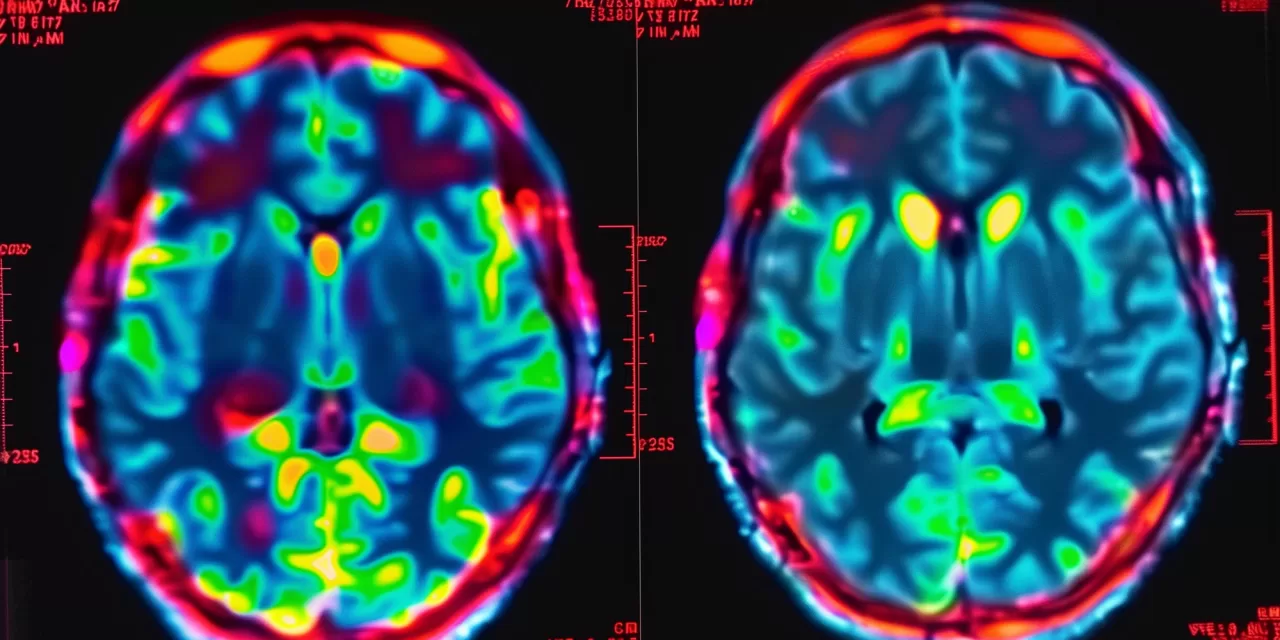
Clinicians are informally coining the phenomenon “smartphone brain.” It describes a cluster of non-structural, functional symptoms resulting from continuous digital connectivity, rapid task-switching, and late-night screen exposure.
What Doctors Are Seeing in the Clinic
For many young patients, the day begins and ends with a high-definition screen held inches from their faces. Neurologists report that this constant stream of incoming notifications, short-form video algorithms, and rapid app-switching keeps the central nervous system in a perpetual state of hyper-arousal.
“When you subject the brain to rapid digital switching for hours at a time, you are essentially training it to expect continuous novelty,” explains Dr. Justin Rosati, a pediatric neurologist at the University of Rochester Medical Center, who was not involved in the initial clinical reporting. “The brain struggles to ramp down or maintain deep focus on a single, low-stimulation task. What patients describe as ‘brain fog’ is frequently the cognitive exhaustion of a nervous system that hasn’t had an opportunity to rest.”
+-------------------------------------------------------------------+
|               THE DIGITAL CYCLE OF COGNITIVE FATIGUE               |
+-------------------------------------------------------------------+
|  Late-Night Screen Use  --->  Blue Light & Mental Stimulation     |
|                                       |                           |
|  Cognitive Exhaustion   <---  Delayed Melatonin & Fragmented Sleep|
|  & "Brain Fog" Next Day               |                           |
+-------------------------------------------------------------------+
Beyond mental fatigue, physical strain plays a major role. Prolonged forward-head posture—often called “text neck”—places significant strain on the cervical spine and suboccipital muscles. This physical stress frequently triggers cervical tension headaches that radiate across the skull, often accompanied by visual fatigue and mild postural dizziness.
The Role of Disrupted Sleep
Perhaps the most well-established physiological link between smartphone overuse and cognitive symptoms is ruined sleep hygiene.
Screens emit blue light wavelengths that suppress the pineal gland’s production of melatonin—the hormone responsible for signaling to the body that it is time to sleep. Furthermore, consuming engaging or emotionally activating content late at night keeps the sympathetic nervous system active when it should be transitioning into parasympathetic rest.
“Sleep is not optional maintenance; it is when the brain consolidates memories, clears metabolic waste, and restores neurochemical balance,” notes Dr. John Foxe, Director of the Del Monte Institute for Neuroscience. “When late-night scrolling delays sleep onset by even one or two hours, or leads to fragmented sleep architecture, the immediate consequences the following day are impaired working memory, reduced attention span, and heightened irritability.”
What the Scientific Evidence Shows
The clinical observations mirror a growing body of peer-reviewed research investigating digital media consumption among younger populations:
-
Cognitive and Educational Impact: A scoping review published in Psychiatry Investigation analyzing 44 studies across 16 countries revealed consistent associations between excessive screen time and lower learning efficacy, reduced academic attention, and poorer self-reported mental well-being.
-
Psychological Distress: Research published in Frontiers in Psychology highlighted that while screen-based media is now central to adolescent social life, unstructured and excessive usage strongly correlates with elevated rates of psychological distress, anxiety, and depressive symptoms.
-
Systemic Overviews: Comprehensive reviews, including synthesized data in Nature Reviews Neuroscience, reinforce that problematic smartphone use is closely intertwined with mood disorders, primarily mediated through altered sleep patterns and reduced physical activity.
Correlational vs. Causal Evidence
Despite these findings, researchers emphasize an important caveat: much of the existing scientific literature relies on observational data and self-reported screen time. Observational studies demonstrate a strong link or correlation between heavy phone use and symptoms, but they do not definitively prove direct causation.
For instance, it remains challenging to separate whether heavy screen use directly causes anxiety and brain fog, or if individuals already experiencing stress, academic pressure, or pre-existing sleep issues are simply more likely to turn to their phones as a coping mechanism.
       Correlation vs. Causation in Screen Research
       +------------------------------------------+
       |   High Screen Use <=======> Brain Fog    |
       +------------------------------------------+
       |  Is the screen causing the fog, OR is    |
       |  a stressed, sleep-deprived person using |
       |  their screen to distract themselves?    |
       +------------------------------------------+
Why Developing Brains Are Vulnerable
The adolescent and young adult brain is uniquely susceptible to environmental inputs because the prefrontal cortex—the region responsible for impulse control, long-term planning, and executive function—does not fully mature until a person reaches their mid-twenties.
During this window of high neuroplasticity (the brain’s ability to adapt and reorganize its neural connections in response to experience), heavy engagement with reward-driven digital platforms can influence attention patterns and reward processing.
However, neuroscientists caution against alarmist claims that smartphones are causing permanent “brain damage” or structural lesions. The medical consensus is that “smartphone brain” represents a functional, lifestyle-driven disturbance—meaning the brain remains structurally intact, but its daily operating environment is severely compromised by lack of sleep, reduced physical exercise, and constant distraction.
Practical Interventions for Digital Well-Being
Because “smartphone brain” is primarily a behavioral issue rather than an irreversible medical disease, symptoms often improve significantly with targeted lifestyle modifications. Public health experts recommend several evidence-backed habits to protect cognitive health:
-
The 20-20-20 Rule: To prevent visual fatigue and associated headaches, every 20 minutes, look at an object at least 20 feet away for 20 seconds.
-
Digital Curfews: Discontinue screen use 30 to 60 minutes before bedtime. Store devices in another room to prevent middle-of-the-night checking.
-
Ergonomic Awareness: Hold devices closer to eye level rather than tilting the neck downward for extended periods to reduce cervical muscle strain.
-
Structured Breaks: Schedule deliberate periods of single-tasking without notifications, allowing the brain time to enter deep focus.
-
Prioritizing Offline Health: Ensure screen time does not displace minimum physical activity goals, outdoor sunlight exposure, or face-to-face social interactions.
When to See a Doctor
While modifying screen habits helps many young adults recover focus and reduce headaches, experts stress that medical evaluation remains essential for persistent or severe complaints.
Symptoms like recurring daily headaches, severe dizziness, unexpected memory loss, or profound fatigue can stem from various underlying health issues—including thyroid dysfunctions, vitamin deficiencies, clinical sleep disorders, or mental health conditions—that require formal diagnosis and treatment rather than simple digital detoxes.
References
- https://www.indiatoday.in/health/story/smartphone-brain-symptoms-young-patients-screen-time-neurologists-2949887-2026-07-17
Medical Disclaimer: This article is for informational purposes only and should not be considered medical advice. Always consult with qualified healthcare professionals before making any health-related decisions or changes to your treatment plan. The information presented here is based on current research and expert opinions, which may evolve as new evidence emerges.