 0
0
 0
0
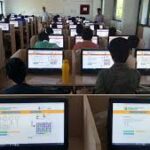
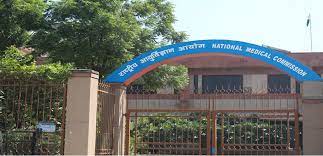
NEW DELHI — On the eve of one of the world’s most competitive entrance exams, a bitter row has erupted between India’s medical regulator and its future doctors. The National Medical Commission (NMC) is facing intense backlash from prominent doctors’ associations following a controversial advisory that restricts MBBS students from taking leave on May 2 and 3—the period surrounding the National Eligibility cum Entrance Test (NEET-UG) 2026.
The directive, issued on April 23 and signed by NMC Secretary Raghav Langer, seeks to safeguard the “sanctity and integrity” of the examination process. However, the medical fraternity has slammed the move as “demeaning” and “arbitrary,” arguing that it effectively treats the nation’s medical students as suspects in potential exam malpractices.
A Preemptive Strike Against Impersonation
The NMC’s notice instructs all medical colleges to deny leave requests to students during the high-stakes exam window, except in “exceptional circumstances with due justification.” According to the advisory, the measure was prompted by instructions from the Department of Higher Education and the Ministry of Education to prevent cheating, specifically the use of current MBBS students as “proxies” or “impersonators” for NEET candidates.
The history of NEET-UG has been marred by scandals, including the high-profile 2024 paper leaks and cases where medical students were allegedly paid by “solver gangs” to sit for the exam on behalf of others. By keeping students on campus—a move many student unions have termed “hostel confinement”—the NMC hopes to eliminate the possibility of medical insiders facilitating fraud.
“Unjust and Arbitrary”: Doctors Lead the Charge
The Federation of All India Medical Association (FAIMA) spearheaded the protest, sending a formal letter to the NMC on May 2 demanding an immediate withdrawal of the advisory and a public apology.
“Imposing blanket restrictions without substantial justification is unjust, arbitrary, and sets a dangerous precedent,” FAIMA stated. “It reflects an inappropriate and unfortunate mindset that suspects disciplined medical students of malpractice by default.”
In Telangana, the Healthcare Reforms Doctors Association (HRDA) joined the chorus, describing the order as demoralizing. They argue that students who have already proven their merit and are currently serving in the nation’s healthcare system should not have their fundamental rights to movement curtailed based on vague suspicions.
Expert Perspectives: Security vs. Morale
The controversy has divided observers, though the majority of medical experts lean toward the side of student rights. Dr. Vijay Kumar, a senior professor at AIIMS who was not involved in drafting the advisory, expressed concern over the long-term impact on student psyche.
“While exam security is vital, treating over 100,000 MBBS students as suspects ignores their tireless contributions to the healthcare system,” Dr. Kumar noted. “These students were on the front lines during health crises; to now suggest they are all potential criminals erodes the very morale we need to sustain our medical workforce.”
Conversely, some proponents of the move argue that drastic measures are necessary to restore faith in the system. Dr. Rakesh Gupta, a former official with the National Testing Agency (NTA), pointed to data suggesting that a significant portion of sophisticated exam leaks in previous years involved “insiders” with medical knowledge. “Post-2024, public trust is at an all-time low. Preventive steps, while harsh, are sometimes the only way to deter organized cartels,” Gupta argued.
Balancing Mental Health
Public health experts are particularly concerned about the mental health implications. Dr. Priya Sharma from the Indian Council of Medical Research (ICMR) emphasized that medical students already operate under immense pressure.
-
Average Workload: Medical students often face 18-hour shifts.
-
Mental Health Impact: High rates of burnout and anxiety are already prevalent in Indian medical colleges.
-
The “Suspicion” Factor: Adding a layer of institutional distrust can exacerbate existing stress levels.
The Broader Impact on Public Health
With over 2 million aspirants competing for a limited number of MBBS seats, NEET-UG is the sole gateway to a medical career in India. The integrity of this exam is paramount, yet the current friction highlights a deeper systemic issue: the struggle to balance rigid oversight with the dignity of the profession.
India currently maintains a doctor-patient ratio of roughly 1:834. While this technically meets the World Health Organization’s (WHO) recommendation of 1:1000, the distribution remains heavily skewed toward urban centers. Experts warn that creating a “punitive” atmosphere in medical education could deter rural applicants and lead to higher attrition rates, ultimately threatening the success of national programs like Ayushman Bharat.
Limitations and Future Outlook
Critics of the NMC’s directive point out several logical gaps:
-
Vagueness: The term “exceptional circumstances” is not defined, leaving students at the mercy of individual college administrations.
-
Lack of Evidence: There is currently no public data linking the broader MBBS student body to the specific threats anticipated for the 2026 exam.
-
Proctoring Alternatives: Associations like HRDA suggest that instead of “confinement,” the government should invest in advanced proctoring technologies, such as biometrics and AI surveillance, which were successfully piloted in the 2025 NEET-PG.
As of May 3, the NMC has not officially responded to the demands for an apology or withdrawal. For current students and future aspirants, the situation serves as a reminder of the evolving regulatory landscape in Indian medical education—one that is increasingly focused on security, sometimes at the cost of student autonomy.
Medical Disclaimer: This article is for informational purposes only and should not be considered medical advice. Always consult with qualified healthcare professionals before making any health-related decisions or changes to your treatment plan. The information presented here is based on current research and expert opinions, which may evolve as new evidence emerges.
References
-
PTI. (2026, May 2). “NMC’s pre-NEET exam leave advisory draws doctors’ criticism.” The Print.
-
TNN. (2026, May 3). “NEET row: Docs condemn NMC’s ‘confinement’ advisory.” The Times of India.