 0
0
 0
0
ATLANTA, GA — A rare but potentially devastating tick-borne illness is drawing urgent warnings from public health officials as federal data reveals U.S. cases hit an all-time high. According to data from the Centers for Disease Control and Prevention (CDC) highlighted in a June 2026 surveillance report, the United States recorded a record 76 cases of Powassan virus disease in 2025. While the absolute numbers remain low compared to widespread threats like Lyme disease, the rapid upward trajectory of this severe, neuroinvasive pathogen has clinicians and researchers urging heightened public vigilance as peak tick season intensifies across the Northeast and Great Lakes regions.
A Decade of Steady Escalation
Powassan virus is not a novel pathogen, but its statistical footprint is expanding rapidly. CDC historical surveillance charts a stark decade-long climb: from just 7 reported cases in 2015, numbers rose to 34 in 2017, climbed to 49 in 2023, and reached 57 in 2024, culminating in the historic peak of 76 cases in 2025.
U.S. Powassan Virus Cases (2015–2025)
2015: █ 7
2017: ████ 34
2023: ██████  49
2024: ███████ 57
2025: ██████████ 76 (Record High)
Public health experts emphasize that these numbers likely represent only the tip of the iceberg. A 2025 study published in the Journal of Infectious Diseases utilized predictive modeling to simulate the true prevalence of the virus. The researchers concluded that standard surveillance substantially undercounts infections, as individuals with mild or asymptomatic cases rarely undergo the specialized testing required to detect the virus.
The 15-Minute Window: Why Experts Are Alarmed
For decades, standard tick prevention messaging has reassured the public that they have a generous grace period to find and remove ticks. Traditional pathogens, such as the bacteria that causes Lyme disease, typically require a tick to remain attached for 24 to 48 hours before transmission occurs.
Powassan virus completely rewrites that timeline.
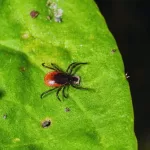
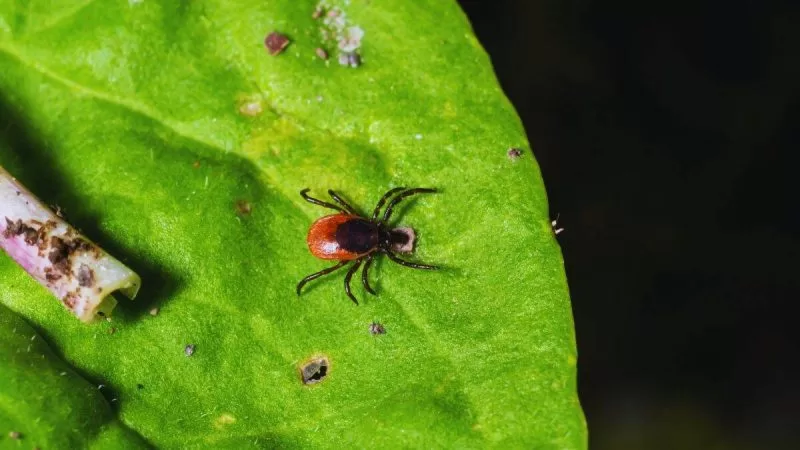
A comprehensive 2025 review published in the journal Virulence noted that Powassan virus resides in the tick’s salivary glands rather than its midgut. As a result, the virus can be transmitted into a human host’s bloodstream within roughly 15 minutes of attachment.
“The exceptionally brief transmission window is what makes Powassan uniquely dangerous from a public health standpoint,” explains Dr. Aris Carter, an infectious disease specialist at the Midwest Health Institute, who was not involved in the CDC reporting. “By the time someone returns from a hike and performs a routine tick check, the virus may have already been transmitted. Speed of removal, while still vital, is simply not a guaranteed shield against this specific pathogen.”
The Clinical Journey: From Flu-Like Symptoms to Encephalitis
In its initial stages, Powassan virus masquerades as a standard summer viral illness. Patients typically experience:
-
Fever and severe headache
-
Vomiting
-
Generalized muscle weakness and fatigue
However, because Powassan is an emerging flavivirus (the same family of viruses that includes West Nile and Dengue), it possesses a dangerous affinity for the central nervous system. In a significant portion of recognized cases, the illness progresses to neuroinvasive disease. This includes encephalitis (acute inflammation of the brain) or meningitis (inflammation of the protective membranes shielding the brain and spinal cord).
When the virus invades these critical areas, the clinical picture turns severe. Patients may exhibit profound confusion, difficulty speaking, acute seizures, tremors, and a total loss of physical coordination.
According to CDC historical data, roughly 10% to 15% of cases that progress to neuroinvasive Powassan virus disease are fatal. Furthermore, approximately half of those who survive severe encephalitis suffer long-term neurological sequelae, including chronic headaches, muscle wasting, and persistent memory impairments.
While anyone exposed to infected ticks can contract the illness, the CDC notes that older adults, young children, and individuals with compromised immune systems face the highest risk of developing life-threatening neurological complications.
The Treatment Void and Geographic Reality
Compounding the severity of the virus is a stark clinical reality: there is no vaccine available to prevent Powassan virus, and there are no specific antiviral medications capable of treating it.
“When a patient is admitted with severe Powassan encephalitis, our hands are tied from a curative standpoint,” says Dr. Carter. “Treatment is entirely supportive. We hospitalize patients, provide intravenous fluids, utilize mechanical ventilation if their breathing is compromised, and manage brain swelling. We are essentially keeping the patient stable while their own immune system fights the virus.”
Despite the alarming nature of the headline figures, epidemiological data highlights critical boundaries. Powassan virus is not evenly distributed across North America. The vast majority of cases remain tightly clustered in specific geographic zones: the Northeast (particularly New York, New Jersey, and New England) and the Great Lakes region (including Minnesota and Wisconsin). The risk is heavily concentrated from late spring through mid-autumn, tracking precisely with the lifecycle and activity peaks of the Ixodes cookei (groundhog tick) and Ixodes scapularis (blacklegged deer tick).
Contextualizing the Risk: A Balanced View
Medical experts caution the public against panic. Even at a record 76 cases, the statistical probability of an individual contracting Powassan remains exceedingly low. For context, the CDC estimates that approximately 476,000 Americans are diagnosed and treated for Lyme disease each year.
Furthermore, surveillance data is subject to reporting delays and regional discrepancies. The recent surge in numbers may partially reflect increased clinical awareness and improved diagnostic testing capabilities across state health departments rather than a pure explosion in tick infectivity.
Nevertheless, public health authorities stress that for individuals living in or traveling to high-endemic regions, the threat is real enough to warrant strict adherence to preventive habits.
Actionable Defense: How to Protect Yourself
Because medical countermeasures do not exist, personal prevention serves as the primary line of defense against Powassan virus. Public health agencies recommend a multi-layered approach to outdoor activities:
-
Apply EPA-Approved Repellents: Use repellents containing DEET, picaridin, or IR3535 on exposed skin. Treat outdoor clothing and gear with permethrin, which kills ticks on contact.
-
Dress Defensively: When entering wooded, brushy, or tall-grass areas, wear long-sleeved shirts and long pants. Tuck pant legs directly into socks to create a physical barrier against crawling ticks.
-
Conduct Immediate Post-Outdoor Hygiene: Shower within two hours of returning indoors. Laundering outdoor clothes in hot water and drying them on high heat for 10 minutes will effectively kill any hitchhiking ticks.
-
Perform Targeted Tick Checks: Inspect the entire body thoroughly, paying specific attention to high-risk areas including under the arms, in and around the ears, behind the knees, inside the belly button, and through the hair.
If you develop a sudden fever, worsening headache, or neurological changes following outdoor exposure or a known tick bite, seek emergency medical evaluation immediately. Informing healthcare providers of recent tick exposure can drastically accelerate the diagnostic timeline, allowing for rapid supportive intervention.
Medical Disclaimer
This article is for informational purposes only and should not be considered medical advice. Always consult with qualified healthcare professionals before making any health-related decisions or changes to your treatment plan. The information presented here is based on current research and expert opinions, which may evolve as new evidence emerges.
References
- https://www.tvanouvelles.ca/2026/06/30/record-de-cas-un-virus-rare-et-mortel-transmis-par-les-tiques-inquiete-aux-etats-unis