 0
0
 0
0
GLASGOW, Scotland — Health officials in Scotland are urging calm following reports that a patient is undergoing testing for a suspected case of Ebola virus disease at the Queen Elizabeth University Hospital (QEUH) in Glasgow.
The patient was admitted to the facility in the early hours of Tuesday, June 30, 2026. Public Health Scotland (PHS), working alongside the UK Health Security Agency (UKHSA), quickly initiated standard testing protocols. While the development has drawn significant attention, health authorities emphasize that there are currently zero confirmed cases of Ebola in Scotland, and the immediate risk to the general public remains exceptionally low.
The hospital remains fully operational. NHS Greater Glasgow and Clyde confirmed that no wards have been closed, and visitors are not being turned away. The situation is being managed under strict, well-established isolation protocols designed to contain high-consequence infectious diseases without disrupting everyday hospital care.
Rapid Isolation Protocols Activated
The sudden activation of specialized screening protocols can sound alarming, but public health experts stress that this response represents the healthcare system working exactly as intended.
Because early symptoms of Ebola can easily be mistaken for more common illnesses—such as malaria, typhoid fever, or meningitis—hospitals maintain a low threshold for isolating and testing symptomatic individuals who have recently traveled to affected regions.
“Precautionary isolation is our strongest tool in preventing the potential spread of rare pathogens,” said Dr. Helen Westbrook, an independent infectious disease consultant based in London who is not involved in the patient’s care. “When a patient presents with a fever and a relevant travel history, launching an immediate investigation is standard best practice. It protects the clinical staff and the community while the laboratory confirms a definitive diagnosis.”
Context of the African Outbreak
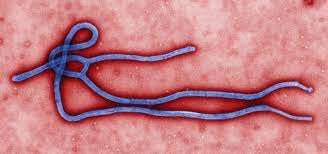
The heightened vigilance in the UK comes in response to an ongoing Ebola outbreak in central Africa. In May 2026, the World Health Organization (WHO) confirmed active transmission clusters spanning multiple health zones in the Democratic Republic of the Congo (DRC) and Uganda.
Ebola Virus Species in Current Outbreak: Bundibugyo ebolavirus
Vaccine Availability: None approved for this specific strain
Therapeutics: Supportive clinical care remains primary defense
Global Risk Assessment: Low (WHO)
National/Regional Risk in Central Africa: High (WHO)
Unlike the more famous Zaire strain of the virus, which can be mitigated using the Ervebo vaccine, the Bundibugyo species currently circulating in the DRC and Uganda does not have an approved vaccine or targeted antiviral treatment. Consequently, international health agencies have ramped up surveillance to identify and isolate potential cross-border cases early.
Despite the severity of the situation in central Africa, the WHO’s global risk assessment remains low, reflecting the fact that the virus does not easily transmit across vast geographical distances without prolonged, direct contact.
How the Virus Spreads: Myth vs. Reality
Public health officials emphasize that Ebola is not a highly contagious airborne illness like influenza or COVID-19. It cannot be contracted by breathing the same air as an infected person or through casual social interaction.
Transmission Fact: Ebola spreads exclusively through direct contact (via broken skin or mucous membranes) with the blood, secretions, organs, or other bodily fluids of an infected person who is actively displaying symptoms, or through surfaces and materials (like bedding or clothing) contaminated with these fluids.
Furthermore, an individual infected with Ebola is not contagious during the incubation period—the window between contracting the virus and showing symptoms—which typically lasts from 2 to 21 days.
Understanding the Symptoms and Practical Advice
For health-conscious consumers and travelers, understanding the trajectory of the disease is crucial for making informed decisions. According to WHO clinical data, the onset of Ebola symptoms is typically abrupt and includes:
-
High fever and severe fatigue
-
Muscle aches and persistent headaches
-
Sore throat
As the disease progresses, it can lead to vomiting, diarrhea, abdominal pain, and, in severe cases, internal and external bleeding.
For the general public in the UK, no lifestyle changes or specific precautions are necessary. However, for individuals who have recently returned from the DRC, Uganda, or surrounding border areas within the last three weeks, health authorities offer clear guidance: if you develop a sudden fever or any of the aforementioned symptoms, seek urgent medical assessment immediately.
Crucially, you must call ahead to your medical provider or NHS 24 (by dialing 111) and explicitly disclose your travel history before arriving at a clinic or emergency room. This allows frontline healthcare workers to utilize appropriate personal protective equipment (PPE) and direct you to an appropriate isolation space seamlessly.
Limitations and Next Steps
It is critical to note that this remains a suspected case, not a confirmed one. Historically, the vast majority of patients tested for Ebola in Western countries turn out to be suffering from far more common tropical infections, particularly malaria.
Laboratory testing is currently being conducted by specialized public health units. Results are expected within 24 to 48 hours. If the tests return negative, the patient will be treated for their underlying illness, and the specialized isolation measures will be lifted.
UK government operational guidelines note that treating a suspected case with a high level of caution ensures that, even in the rare event of a positive result, the risk of secondary transmission within a hospital environment is virtually eliminated.
Reference Section
- https://news.sky.com/story/patient-tested-for-suspected-ebola-in-british-hospital-13558992
Medical Disclaimer: This article is for informational purposes only and should not be considered medical advice. Always consult with qualified healthcare professionals before making any health-related decisions or changes to your treatment plan. The information presented here is based on current research and expert opinions, which may evolve as new evidence emerges.