 0
0
 0
0
NEW DELHI — As the world races to contain a rapidly escalating health crisis in Central Africa, India is stepping into a critical global health role. The Serum Institute of India (SII) has announced it is fast-tracking the development of a promising new vaccine candidate targeting the Bundibugyo strain of the Ebola virus—a rare and lethal variant for which no approved vaccine or treatment currently exists.
The initiative follows a declaration by the World Health Organization (WHO) on May 17, 2026, marking the current outbreak as a Public Health Emergency of International Concern (PHEIC). This is the first time in history that the Bundibugyo strain has triggered the agency’s highest level of global alert. Developed in a high-stakes collaboration with Oxford University and the Coalition for Epidemic Preparedness Innovations (CEPI), the fast-tracked project represents a major leap forward in global epidemic preparedness and highlights India’s growing muscle in rapid-response medical manufacturing.
The Outbreak Crisis: A Deadly Strain Re-emerges
The current outbreak has devastated vulnerable communities across the Democratic Republic of Congo (DRC) and Uganda. According to the European Centre for Disease Prevention and Control (ECDC), as of June 11, 2026, the DRC has recorded 676 confirmed cases and 136 confirmed deaths, heavily concentrated in the conflict-affected provinces of Ituri, North Kivu, and South Kivu. Neighboring Uganda has reported 19 confirmed cases and two deaths.
However, health organizations warn that the official numbers represent only the tip of the iceberg due to severe surveillance challenges on the ground. Earlier data compiled by the WHO indicated up to 906 suspected cases and 223 suspected deaths in the DRC alone, with the cumulative toll across Central Africa exceeding 1,500 suspected cases and more than 650 deaths since the start of the year.
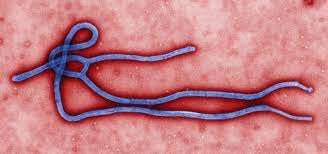
The Bundibugyo ebolavirus is uniquely dangerous, carrying a case fatality rate of up to 40%. While the global medical community successfully developed two vaccines to combat the more common Zaire strain of Ebola—namely Merck’s Ervebo® and Johnson & Johnson’s Zabdeno/Mvabea regimen—neither of these provides reliable cross-protection against the Bundibugyo variant, leaving health workers entirely empty-handed in the current crisis.
The Vaccine Candidate: Leveraging Proven Technology
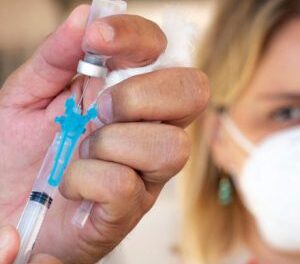
The fast-tracked vaccine candidate, designated ChAdOx1 BDBV (or ChAdOx1 Bundibugyo), specifically targets the surface proteins of the Bundibugyo strain. It utilizes the exact same chimpanzee adenovirus viral vector technology platform that underpinned the highly successful Oxford-AstraZeneca COVID-19 vaccine (known in India as Covishield). A viral vector works by using a modified, harmless virus to deliver genetic instructions to the body, teaching the immune system to recognize and fight off the actual pathogen without exposing the patient to the live disease.
Because the underlying manufacturing infrastructure for this platform is already mature, researchers can bypass years of developmental scaling. Professor Teresa Lambe OBE, Calleva Head of Vaccine Immunology at the Oxford Vaccine Group, indicated that human clinical trials could begin remarkably soon.
“Once we get starting material to them [the Serum Institute], they can go fast and they can go big,” Lambe stated in a briefing, emphasizing the extreme urgency of the timeline.
To catalyze the project, CEPI has committed an initial funding package of US$8.6 million (approximately ₹81.51 crore) to accelerate manufacturing and regulatory testing. Under this tri-partite partnership, SII will handle the immediate mass production of clinical-trial-grade doses.
Expert Commentary: Biomedical vs. Structural Needs
Public health officials across Africa have welcomed the news but maintain a stance of guarded urgency. Dr. Jean Kaseya, Director-General of the Africa Centres for Disease Control and Prevention (Africa CDC), warned that severe cross-border migration in Central Africa could transform the regional crisis into a continent-wide threat if interventions lag.
“Ebola moves fast. Africa must move faster,” Kaseya stressed during an international summit introducing a joint continental Ebola response plan. He confirmed that the partnership with the Serum Institute represents Africa’s best shot at securing a viable shield by the end of the year.
However, international leadership emphasizes that tools alone cannot solve a crisis. WHO Director-General Dr. Tedros Adhanom Ghebreyesus noted that while a targeted Bundibugyo vaccine is a vital missing piece of global health security, it must coexist with structural support.
“A vaccine against the Bundibugyo strain could help control the current epidemic and strengthen preparedness for future outbreaks,” Tedros stated. “However, although vaccines and therapeutics would be a big help, the key to ending this outbreak is not biomedical. It’s leadership, ownership, partnership, and trust.”
Context: Why This Outbreak Presents Unique Challenges
The historical rarity of the Bundibugyo strain contributes significantly to the current vulnerability. This is only the third time since the virus was discovered in 2007 that it has caused a major outbreak. The first recorded emergence occurred in the Bundibugyo District of Uganda (2007–2008), infecting 131 people and killing 42.
Because decades often pass between outbreaks, the strain has historically failed to attract significant investment or attention from major commercial pharmaceutical companies, a phenomenon experts refer to as a “critical preparedness gap.”
Compounding the biological challenge is geography. The current epicenter sits within actively hostile conflict zones in the eastern DRC. Frequent militia attacks on local healthcare facilities, deep-seated community mistrust of international aid workers, and severe logistical funding shortages have severely crippled contact-tracing and quarantine efforts, allowing the virus to spread unchecked across borders.
Implications for Public Health and Daily Health Decisions
For India and International Travelers
To date, India has reported zero active or suspected cases of Ebola. However, the Union Health Ministry has refused to take chances, significantly amplifying border biosecurity. Enhanced thermal screening and mandatory health declarations are now operational at all major international airports for passengers arriving from or transiting through Central Africa (specifically the DRC, Uganda, and South Sudan).
Furthermore, India has implemented a mandatory 21-day health monitoring period for high-risk travelers under the Integrated Disease Surveillance Programme (IDSP). Local states have been instructed to rigorously monitor any unusual clusters of febrile illness (unexplained fevers). For everyday citizens, the threat of transmission within India remains extremely low, and health officials emphasize there is absolutely no cause for domestic panic.
For Global Health Systems
The immediate goal outlined by the Africa CDC and the WHO is to successfully deploy an experimental or fully approved Bundibugyo vaccine by late 2026. Simultaneously, the European Union has activated its internal health preparedness frameworks to monitor cross-border movement, providing financial and logistical aid directly to African frontline clinics to contain the virus at its source.
Limitations, Scientific Hurdles, and Counterarguments
Despite the optimism surrounding the Oxford-Serum Institute partnership, several scientific and logistical hurdles remain. A specialized WHO expert panel recently noted that while ChAdOx1 BDBV is moving exceptionally fast, it still requires additional animal data to verify safety and robust immune responses before the first human volunteer can be injected.
In fact, some regulatory experts argue that another candidate under development—a single-dose vaccine known as rVSV Bundibugyo being designed by the non-profit International AIDS Vaccine Initiative (IAVI)—remains scientifically ahead in terms of base data, though it will still take an estimated seven to nine months to scale for field trials.
Independent medical groups have also urged the public to temper expectations regarding timelines. Representatives from Médecins Sans Frontières (MSF) caution that executing pristine clinical trials in active war zones is incredibly difficult. Historically, even accelerated vaccine approval pipelines can take upwards of a year to generate irrefutable efficacy data, meaning the current outbreak will largely have to be fought using traditional public health measures: isolation, rigorous contact tracing, safe burials, and strict infection control.
The Bottom Line for Healthcare Professionals
For medical practitioners, this escalating situation serves as an active case study in pandemic response. The deployment of the ChAdOx1 platform demonstrates how the global scientific community can leverage existing, highly adaptable viral vector blueprints to respond to novel emergencies in a fraction of the traditional time. While the general public faces no immediate threat, clinicians are urged to maintain routine vigilance regarding travel histories for patients presenting with acute, unexplained hemorrhagic fevers or severe flu-like symptoms.
Ultimately, the mobilization of Indian manufacturing to solve an African health crisis emphasizes that in modern epidemiology, national borders are entirely artificial. As the international community unites to fund, manufacture, and distribute these vital doses, the focus remains squarely on extinguishing the flare-up at its source before it has the opportunity to expand further.
Medical Disclaimer
Medical Disclaimer: This article is for informational purposes only and should not be considered medical advice. Always consult with qualified healthcare professionals before making any health-related decisions or changes to your treatment plan. The information presented here is based on current research and expert opinions, which may evolve as new evidence emerges.
References
- https://www.ndtv.com/health/india-steps-up-global-ebola-response-with-new-vaccine-candidate-amid-outbreak-11632120