 0
0
 0
0
Published July 21, 2026
People living with type 2 diabetes may face a heightened risk of developing life-threatening complications when infected with the dengue virus, according to a systematic medical review reported across major health news outlets on July 19–20, 2026. The finding highlights a critical public health intersection: regions with high dengue transmission—such as South Asia, Southeast Asia, and parts of Latin America—are simultaneously experiencing rapid growth in type 2 diabetes prevalence.
In response to the synthesis of evidence, medical authors and infectious disease specialists are urging public health agencies to reconsider routine clinical guidelines, recommending that dengue immunization and aggressive vector prevention be formally integrated into standard diabetes management plans for high-risk populations.
Key Findings: The Intersection of Metabolic Disease and Arboviral Infection
The review compiles observational data evaluating how underlying metabolic conditions alter the clinical trajectory of tropical infections. While mild dengue typically causes high fever, severe headache, retro-orbital (behind the eye) pain, and muscle aches, severe dengue—formerly known as dengue hemorrhagic fever—can lead to severe plasma leakage, fluid accumulation, respiratory distress, heavy bleeding, and multi-organ impairment.
Key takeaways from the reported analysis include:
-
Increased Vulnerability: Patients with diagnosed type 2 diabetes demonstrate a statistically higher likelihood of progressing from classic dengue fever to severe clinical manifestations requiring intensive care monitoring.
-
Higher Rates of Plasma Leakage: Sustained high blood sugar levels (hyperglycemia) weaken endothelial integrity—the delicate lining of blood vessels—making them more prone to the “leaky vessel” phenomenon characteristic of severe dengue shock syndrome.
-
Vaccination Integration: Study authors recommend that preventive strategies, including WHO-prequalified dengue vaccines (such as Qdenga), be actively evaluated for routine inclusion in chronic disease management protocols for adults with diabetes residing in endemic zones.
Biological Mechanisms: How High Blood Sugar Weakens Defenses
The biological link between type 2 diabetes and severe viral disease stems from chronic systemic inflammation and vascular dysfunction.
Chronic High Blood Glucose (Hyperglycemia)
                │
                ├──► Endothelial Dysfunction (Fragile Blood Vessels)
                │         └─► Accelerated Plasma Leakage during Dengue Infection
                │
                └──► Impaired Immune Signaling (Reduced T-cell & Cytokine Response)
                          └─► Delayed Viral Clearance & Higher Viral Load
When a person with unmanaged or long-standing diabetes contracts the dengue virus, two parallel physiological stress vectors emerge:
-
Vascular Permeability: The dengue virus causes the immune system to release a surge of signaling proteins (cytokines) that increase blood vessel permeability. Because diabetes independently damages vascular walls over time, the combined effect can dramatically increase the risk of plasma escaping into surrounding tissues, causing dangerous drops in blood pressure and circulatory collapse.
-
Impaired Cellular Immunity: Persistently elevated blood glucose impairs neutrophil function and blunts cellular immune responses, making it harder for the host’s body to clear the virus efficiently during the early febrile phase.
Expert Perspectives and Clinical Context
Medical experts examining the report emphasize that while the correlation is clear, clinical outcomes depend on multiple overlapping factors.
“Metabolic disease compromises microvascular health. When you introduce a pathogen like dengue—which specifically targets the vascular endothelium—the risk of vascular leak and shock naturally rises,” noted an independent infectious disease consultant. “However, it is crucial not to view diabetes as an absolute guarantee of severe disease. Hydration, viral strain, patient age, and early medical intervention remain decisive factors.”
Epidemiologists also caution against treating a literature review as definitive proof of direct biological causation. Because review papers synthesize existing cohort studies and hospital records, underlying confounding factors—such as age, co-existing hypertension, body mass index (BMI), or pre-existing renal insufficiency—can influence the observed associations.
Public Health Implications in Endemic Regions
The geographic overlap between dengue and diabetes presents a major challenge for public health infrastructure across tropical and subtropical nations.
| Dimension | Dengue Virus Impact | Type 2 Diabetes Impact | Combined Risk Factor |
| Global Footprint | ~390 million infections annually | ~537 million adults globally | High overlap in urban tropical zones |
| Primary Risk | Plasma leakage, low platelets, shock | Microvascular & kidney damage | Synergistic vascular fragility |
| Clinical Needs | Rapid fluid management & monitoring | Strict glycemic control | Early triage & hospital admission |
Health authorities emphasize that during peak monsoon and post-monsoon mosquito breeding seasons, individuals with type 2 diabetes must be treated as a vulnerable subgroup requiring prioritized diagnostic testing upon presenting with acute febrile illness.
Practical Action Plan for Patients and Caregivers
For individuals managing type 2 diabetes in dengue-prone areas, proactive prevention and early recognition of warning signs are essential.
1. Vector Control & Personal Protection
-
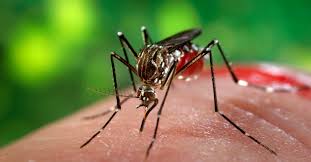
Eliminate Mosquito Breeding: Remove standing water in flowerpots, open containers, and drains twice weekly to disrupt the Aedes aegypti breeding cycle.
-
Use Topicals: Apply EPA-approved insect repellents containing DEET, Picaridin, or Oil of Lemon Eucalyptus (OLE) exposed skin during peak biting hours (early morning and late afternoon).
-
Physical Barriers: Utilize window screens and wear long-sleeved, light-colored clothing.
2. Early Symptom Recognition
If a person with diabetes develops a fever, they should refrain from taking nonsteroidal anti-inflammatory drugs (NSAIDs) such as ibuprofen or aspirin, as these can exacerbate bleeding risks associated with dengue. Acetaminophen (paracetamol) is generally preferred under medical guidance.
Seek immediate emergency medical evaluation if any of the following dengue warning signs occur, typically between days 3 and 7 of illness when fever starts to subside:
-
Severe abdominal pain or persistent vomiting
-
Bleeding gums, nosebleeds, or unusual bruising
-
Extreme lethargy, restlessness, or confusion
-
Fluid accumulation or difficulty breathing
Limitations of Current Evidence
While the findings provide vital guidance for clinicians, several limitations must be noted:
-
Heterogeneity of Data: The underlying studies reviewed vary in how “severe dengue” was classified across different hospital settings and years.
-
Glycemic Control Variables: Media summaries of the review do not fully break down whether the increased risk is concentrated strictly among patients with unmanaged HbA1c levels (>8.0%) or if it applies equally to individuals with well-controlled blood glucose.
-
Vaccine Feasibility: Expanding dengue vaccination to all diabetic adults requires further cost-effectiveness studies and local regulatory approvals based on serostatus (prior dengue exposure).
References
-
The Economic Times Health. (2026, July 19). “Type 2 diabetes linked to higher risk of severe dengue complications: Systematic review.”
Medical Disclaimer: This article is for informational purposes only and should not be considered medical advice. Always consult with qualified healthcare professionals before making any health-related decisions or changes to your treatment plan. The information presented here is based on current research and expert opinions, which may evolve as new evidence emerges.