 0
0
 0
0
YAOUNDÉ, Cameroon — In the bustling immunization clinics of Cameroon’s Center Region, a quiet medical revolution is underway. Pitted against one of history’s oldest and most lethal parasitic diseases, a new generation of malaria vaccines is finally reaching the arms of vulnerable infants. Yet, as health workers celebrate this historic milestone, public health authorities warn that the ultimate success of the rollout hinges not on the science of the first injection, but on the logistics of the fourth.
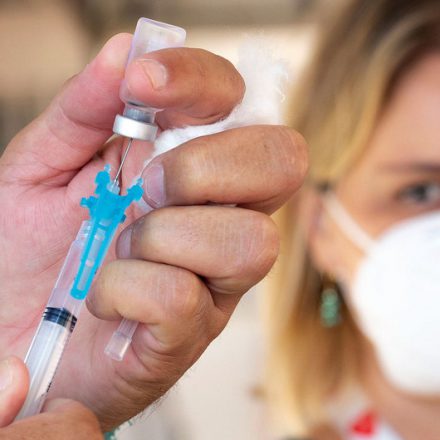
A massive logistical effort is sweeping across sub-Saharan Africa as nations integrate the world’s first malaria vaccines into routine childhood immunization schedules. While early real-world data demonstrates that these vaccines are saving thousands of young lives, international health organizations say the definitive test will be ensuring that families living in remote, resource-constrained environments return to complete the rigorous four-dose regimen.
The Weight of the Burden
Malaria remains one of the planet’s most devastating infectious diseases, and its toll is overwhelmingly concentrated in sub-Saharan Africa. According to the World Health Organization (WHO), the globe saw an estimated 282 million malaria cases and 610,000 deaths in 2024. The African Region bore the brunt of this crisis, accounting for 94% of all cases and 95% of fatalities.
Children under the age of five are the most fragile victims of the Plasmodium falciparum parasite, which is transmitted through the bites of infected female Anopheles mosquitoes. The WHO estimates that roughly 438,000 African children died from malaria in 2024 alone—amounting to nearly 50 child deaths every single hour.
It is against this stark backdrop that the arrival of malaria vaccines is being hailed as a historic breakthrough. However, international health experts emphasize that these shots are designed to fortify, not replace, the traditional pillars of malaria control, such as insecticide-treated bed nets, indoor residual spraying, rapid diagnostic testing, and artemisinin-based combination therapies.
Decoding the Vaccine Science
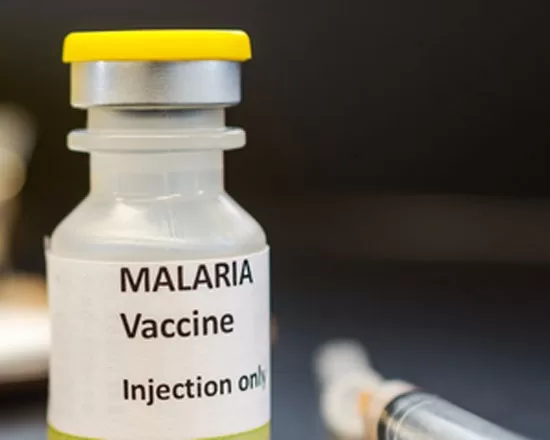
The WHO currently recommends two landmark malaria vaccines for children living in regions with moderate-to-high disease transmission: RTS,S/AS01 (Mosquirix) and R21/Matrix-M. Both are prequalified and designed to train a child’s immune system to target the parasite before it can infect the liver and multiply.
To achieve robust and enduring immunity, the WHO mandates a strict four-dose schedule beginning when infants are roughly five months old. Phase 3 clinical trials demonstrated that both vaccines reduced clinical cases of malaria by more than 50% during the twelve months immediately following the third dose.
Data compiled by the U.S. Centers for Disease Control and Prevention (CDC) highlights the broader, cumulative public health impact: the current vaccine regimens reduce uncomplicated malaria episodes by roughly 40%, cut cases of severe, life-threatening malaria by approximately 30%, and decrease all-cause childhood mortality by 13%.
While a 30% to 40% reduction in cases might appear modest compared to the near-total protection offered by measles or polio vaccines, the mathematics of high-burden areas paint a different picture. In regions where a single child can suffer multiple bouts of malaria every year, preventing 40% of those cases translates directly into millions of averted clinical visits and tens of thousands of saved lives.
Real-World Impact: Proving the Concept
The strongest real-world validation of the vaccine comes from the Malaria Vaccine Implementation Programme (MVIP), a massive pilot initiative that introduced the RTS,S vaccine to select regions of Ghana, Kenya, and Malawi. Since its inception in 2019, the program successfully reached nearly 2 million children.
An independent evaluation of the MVIP pilot yielded encouraging data, showing a 13% drop in overall child mortality among age-eligible children, even when factoring in settings where bed net usage was already high. Furthermore, the CDC noted that the pilot resulted in a substantial drop in hospitalizations for severe malaria, without causing any decline in the use of insecticide-treated bed nets or disrupting the uptake of other essential childhood immunizations.
By early 2026, the WHO confirmed that these pilot results established a clear mandate for a broader rollout, proving that the vaccine could safely and effectively curb child mortality on a massive scale.
The Drop-Off Danger: The Four-Dose Challenge
Now, the frontline battle has shifted from clinical efficacy to operational execution. The malaria vaccine schedule demands that caregivers return to health centers multiple times, with the vital fourth booster shot scheduled in the second year of a child’s life—months after the standard cycle of infant immunizations is completed.
In rural and impoverished regions, maintaining this timeline is an uphill battle. Public health teams must navigate severe structural hurdles, including:
-
Long travel distances over rugged terrain to understaffed rural clinics.
-
Seasonal flooding that washes out roads and cuts off entire villages.
-
Civil conflict and localized insecurity that disrupt supply chains.
-
Competing economic priorities, where a day spent traveling to a clinic means a day of lost agricultural wages.
“The drop-off between the first and fourth dose is our greatest vulnerability,” notes Dr. Beatrice Nchang, a public health researcher based in Yaoundé who is not involved in the manufacturing of the vaccines. “A child who only receives one or two doses does not achieve the sustained antibody levels required to fight off severe infections during the peak transmission seasons. We are asking mothers to return to clinics at a time when they aren’t accustomed to bringing their toddlers in for routine checkups.”
To bridge this gap, the WHO advises ministries of health to structurally align the delivery of the fourth malaria dose with other healthcare interventions scheduled for the second year of life, such as vitamin A supplementation or the second dose of the measles vaccine.
Expert Perspectives on the Ground
International public health leaders stress that the true power of these vaccines rests entirely on the equity and consistency of their delivery systems.
During the review of the initial pilot programs, Dr. Kate O’Brien, the WHO’s Director of Immunization, Vaccines and Biologicals, emphasized that integrating malaria vaccines into established childhood immunization platforms provides a unique opportunity. It helps health workers reach highly vulnerable sub-populations who might otherwise slip through the cracks of traditional malaria prevention campaigns.
Similarly, Dr. Pedro Alonso, the former director of the WHO’s Global Malaria Programme, has frequently pointed out that because global progress against malaria had severely stalled over the past decade, the introduction of innovative tools is an absolute necessity if eradication goals are ever to be met.
The consensus among field experts is clear: the vaccine performs optimally when health systems remove structural barriers for families, and when local communities understand that the shots provide a powerful, extra layer of biological armor rather than a substitute for bed nets and prompt medical care.
Limitations, Logistics, and Looking Ahead
Despite the optimism, public health analysts urge realistic expectations. The vaccines are not a silver bullet; they do not grant complete immunity, and vaccinated children can still contract malaria. Consequently, maintaining high bed net usage remains non-negotiable.
Furthermore, the expansion of the rollout faces tight economic constraints. While manufacturing capacity for R21 and RTS,S has increased significantly, funding shortages and weak cold-chain logistics (the refrigeration systems required to keep vaccines viable during transport) prevent several high-burden nations from meeting their nationwide distribution targets. The vaccine is an unprecedented shield, but it cannot stand alone in a broken healthcare infrastructure.
For the general public and health-conscious consumers, the takeaway is simple: in malaria-endemic territories, the vaccine represents a life-saving advancement, provided the four-dose series is completed. For healthcare providers and policymakers, the primary objective now is to make that final milestone as frictionless as possible through localized outreach, mobile vaccination teams, and robust community reminder networks. The breakthrough has occurred in the lab; now, it must be sustained in the community.
References
- https://health.economictimes.indiatimes.com/news/industry/the-new-malaria-vaccine-helps-in-africa-but-faces-a-test-completing-all-4-doses/132438427?utm_source=latest_news&utm_medium=homepage
Medical Disclaimer: This article is for informational purposes only and should not be considered medical advice. Always consult with qualified healthcare professionals before making any health-related decisions or changes to your treatment plan. The information presented here is based on current research and expert opinions, which may evolve as new evidence emerges.