 0
0
 0
0
KAMPALA, Uganda — Health authorities in Uganda, in coordination with the World Health Organization (WHO), successfully discharged the country’s final confirmed Ebola patient from the Mulago National Referral Isolation Centre in Kampala. The discharge officially triggers a mandatory 42-day surveillance countdown required to declare the formal end of the outbreak. While public health officials welcomed the milestone as a major operational triumph, independent global health experts warn that the danger has not passed. Due to high border mobility and an ongoing, substantial epidemic in the neighboring Democratic Republic of the Congo (DRC), the risk of re-introduction remains critical.
A Crucial Milestone in Case Management
The final patient, who had been receiving specialized isolation care in the capital city, was allowed to return home after achieving full clinical recovery and registering consecutive negative laboratory tests for the virus. This release means there are currently zero active, confirmed cases of Ebola within Uganda’s borders.
According to joint figures published by the Ministry of Health and the WHO Africa regional office, Uganda’s specific branch of the outbreak has recorded a total of 20 confirmed cases and two deaths. Epidemiological tracing revealed a dual-track transmission pattern: 15 cases were classified as imported infections directly originating from the DRC, while five were locally acquired within Uganda, including transmissions among close family contacts and frontline healthcare workers.
Inside the Science: Why 42 Days Matter
For a population eager to return to normalcy, the declaration of a “zero-case status” can easily be misinterpreted as the absolute end of danger. However, international epidemiological protocols dictate a strict waiting period before a country can be certified as entirely free of transmission.
The 42-day timeline is a calculation based on the specific biology of the pathogen involved. Public health agencies calculate this period by doubling the maximum incubation period of the virus, which is 21 days. The incubation window represents the timeframe between a person’s initial exposure to the pathogen and the first appearance of clinical symptoms.
[Last Patient Discharges & Tests Negative]
                   │
                   ▼
       [Day 1 to Day 21: First Incubation Loop]
       (Catches hidden chains of contact transmission)
                   │
                   ▼
       [Day 22 to Day 42: Double-Safety Loop]
       (Ensures absolute biological clearance)
                   │
                   ▼
     [Official "Ebola-Free" Declaration]
By maintaining active surveillance for two full incubation cycles (42 consecutive days) after the last known source of transmission tests negative, epidemiologists can mathematically ensure that any hidden, asymptomatic, or unreported chains of transmission are detected and contained before they spark a wider community flare-up. If even a single new case is confirmed during this window, the clock resets immediately to zero.
The Bundibugyo Challenge: No Vaccines, No Targeted Therapies
The current regional emergency was elevated by the WHO to a Public Health Emergency of International Concern (PHEIC) after molecular diagnostic testing confirmed that the culprit was the Bundibugyo virus disease (BVD) species.
Unlike the more common Zaire Ebola strain—which has been successfully mitigated in recent years using licensed countermeasures like the Ervebo vaccine and targeted monoclonal antibody therapies—the Bundibugyo strain has no approved preventive vaccines or specific antiviral therapies.
“The lack of dedicated pharmaceutical tools against the Bundibugyo species shifts the entire burden of survival onto rapid operational systems,” notes Dr. Helen Mukiri-Barasa, an independent infectious disease epidemiologist not involved in the direct response. “When you cannot deploy a ring-vaccination strategy to protect contacts, containment relies entirely on traditional, rigorous public health interventions: immediate isolation, meticulous contact tracing, and aggressive supportive care.”
Clinical data shows that early supportive care—including intravenous fluid resuscitation, electrolyte stabilization, and the immediate treatment of secondary bacterial infections—profoundly alters patient outcomes, lowering mortality rates significantly compared to historical outbreaks where treatment was delayed.
Regional Vulnerabilities and Public Health Implications
Uganda’s success in controlling internal transmission underscores the robustness of its rapid-response framework. The deployment of decentralized testing kits, dedicated isolation hubs, and aggressive monitoring systems successfully prevented the virus from entrenching itself in highly populated urban sectors.
However, public health agencies emphasize that Uganda’s domestic status cannot be decoupled from the broader regional reality. The DRC continues to report sustained, volatile transmission across rural and peri-urban zones. The porous border separating the two nations experiences heavy, daily economic migration, agricultural trade, and community cross-travel, creating an ongoing vulnerability for cross-border re-introduction.
       ┌────────────────────────────────────────┐
       │      Ongoing Transmission (DRC)        │
       └───────────────────┬────────────────────┘
                           │  (High Border Mobility)
                           ▼
       ┌────────────────────────────────────────┐
       │   Uganda Border Screening & Surveillance│
       └───────────────────┬────────────────────┘
                           │  (42-Day Countdown Active)
                           ▼
       ┌────────────────────────────────────────┐
       │       Zero Active Cases (Uganda)       │
       └────────────────────────────────────────┘
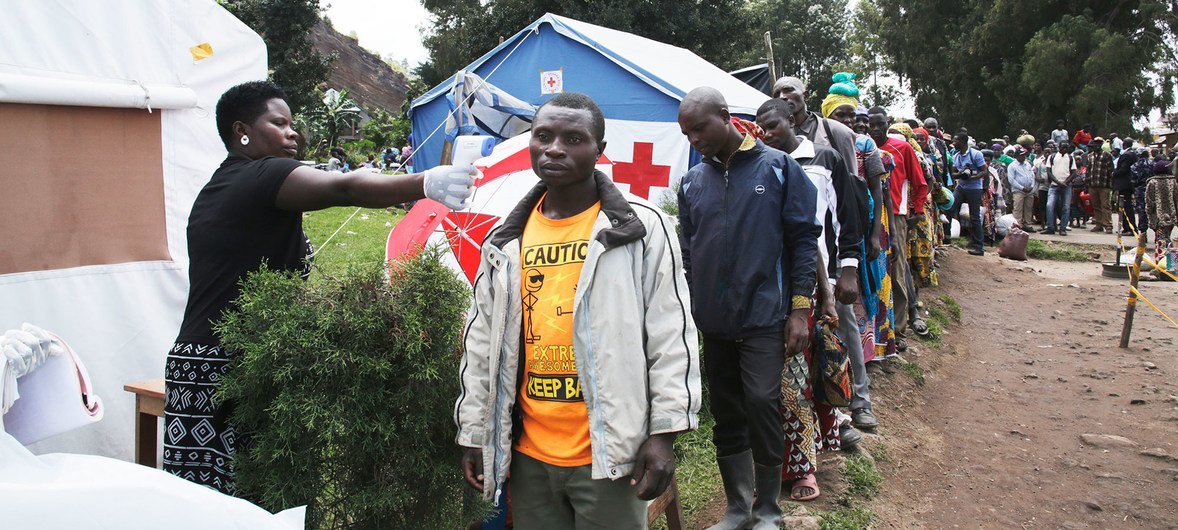
In response, regional health teams are refusing to scale down operations. Border checkpoints are maintaining mandatory temperature screenings, visual symptom evaluations, and rapid diagnostic workflows.
Beyond the Hospital Bed: The Survivor’s Journey
As transmission metrics decline, global health institutions are urging governments to expand the definition of successful recovery. Data collected from previous outbreaks demonstrates that surviving the acute phase of Ebola is only the initial step in a prolonged medical and social trajectory.
Ebola survivors frequently navigate a constellation of post-recovery challenges, commonly referred to as Post-Ebola Syndrome. Clinical presentations include:
-
Chronic joint and muscle pain
-
Ocular complications, including severe uveitis (eye inflammation) that can threaten vision
-
Neurological fatigue and cognitive difficulties
Furthermore, the psychosocial toll remains high. Re-entering communities often exposes survivors to profound social stigma, driven by public fear of infection. The WHO Africa office has underscored the necessity of integrating robust mental health counseling, specialized survivor clinics, and community-led reintegration campaigns to ensure individuals are supported economically and socially long after their blood tests return negative.
Limitations, Cautions, and the Danger of Complacency
While celebrating the empty isolation wards is natural, public health officials warn against premature declarations of victory in popular media.
“The greatest risk right now is behavioral complacency,” says Dr. Mukiri-Barasa. “If the public hears that the ‘last patient has been discharged,’ individuals may lower their guard. Border monitoring might become less strict, people might stop reporting early symptoms of fever, and traditional, high-risk practices like unsafe burial rituals could resume.”
Because early symptoms of Ebola closely mimic common regional diseases such as malaria, typhoid, and influenza, maintaining community-wide awareness and a low threshold for clinical suspicion is vital until the 42-day window is fully cleared.
Reference Section
- https://www.ndtv.com/health/uganda-discharges-last-ebola-patient-begins-42-day-countdown-to-end-outbreak-11780666
Medical Disclaimer: This article is for informational purposes only and should not be considered medical advice. Always consult with qualified healthcare professionals before making any health-related decisions or changes to your treatment plan. The information presented here is based on current research and expert opinions, which may evolve as new evidence emerges.