 0
0
 0
0
NEW DELHI — India is a land drenched in sunlight, yet beneath its bright skies lies a stark public health contradiction. Millions of citizens across the subcontinent are facing a profound nutrient shortage, creating what medical experts term a “silent epidemic.” Recent large-scale reviews and clinical data show that living in a tropical climate is no longer a guarantee of nutritional health. Instead, a complex mix of modern lifestyles, environmental challenges, biological factors, and dietary shifts has created a sweeping public health challenge: India’s sunshine paradox.
The Scale of the Shortage
For decades, vitamin D deficiency was viewed as a niche concern or a condition confined to northern latitudes with minimal winter sun. However, a landmark review published in the Journal of Family Medicine and Primary Care revealed the true extent of the issue, showing that vitamin D deficiency rates in Indian studies range from 40% to an astonishing 99%. Most papers consistently report that 80% to 90% of surveyed populations have low levels.
Importantly, this is not isolated to any single demographic. The data shows widespread deficiency across healthy adults, children, pregnant women, the elderly, and even outdoor laborers and healthcare workers.
“We are seeing a profound mismatch between geographical reality and biological reality,” says Dr. Anita Sharma, a public health researcher based in Mumbai who was not involved in the primary reviews. “People assume that stepping outside for a few minutes fixes the problem, but the biochemical data tells a completely different story. It crosses socioeconomic lines.”
The Biology of the Paradox
The underlying biology is straightforward: the human body produces vitamin D internally when ultraviolet B (UVB) rays from sunlight hit the skin, triggering a synthesis process. However, modern life has placed several hurdles between the sun and the population.
-
The Shift Indoors: As India’s economy has transitioned toward service and technology sectors, millions of people spend their peak daylight hours inside office buildings, schools, and homes.
-
Atmospheric Barriers: Dense urban air pollution and particulate matter act as a physical shield, scattering and absorbing UVB rays before they ever reach street level.
-
Melanin and Pigmentation: Higher concentrations of melanin in darker skin tones act as a natural sunscreen. While melanin protects the skin from intense solar damage, it also reduces the efficiency of vitamin D synthesis. Consequently, individuals with darker skin require significantly longer periods of sun exposure to produce the same amount of the nutrient as those with lighter skin tones.
Additionally, the routine use of sunscreens—crucial for preventing UV-induced skin damage and skin cancers—further reduces UVB penetration, creating a complex balancing act for public health guidelines.
Beyond the Bones: What the Science Says
Vitamin D plays an undisputed role in endocrine and musculoskeletal health. It is the primary catalyst for calcium absorption in the gut. Without it, the body cannot maintain structural integrity, leading to rickets in growing children and osteomalacia (painful bone softening) or osteoporosis in adults.
In recent years, observational studies have linked low vitamin D to a wider list of chronic conditions, including:
-
Type 2 diabetes and metabolic syndrome
-
Cardiovascular diseases
-
Compromised immune function and respiratory infections
-
Depression and mood disorders
However, clinical trials present a more nuanced picture. Many researchers caution against overstating these links, noting that correlation does not equal causation.
Furthermore, an ongoing debate within the Indian medical community centers on whether international diagnostic cutoffs for deficiency—largely established using Western populations—accurately reflect the health status of Indians. Some experts argue that the high biochemical deficiency numbers seen in laboratory blood tests do not perfectly align with the actual burden of visible bone disease in the country, suggesting that standard thresholds may need tailoring.
Shifting from Pills to Public Policy
Addressing a deficiency that affects hundreds of millions of people requires strategies that go beyond individual supplement prescriptions. Public health advocates have long urged the implementation of systemic, population-wide interventions.
       [ National Food Fortification ]
                      │
         ┌────────────┴────────────┐
         ▼                         ▼
   Edible Oils                   Milk
(Widely Consumed)         (Children/Families)
         │                         │
         └────────────┬────────────┘
                      ▼
   [ Accessible, Daily Nutrient Delivery ]
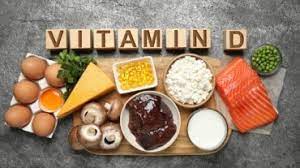
The Food Safety and Standards Authority of India (FSSAI) has previously introduced voluntary fortification initiatives, but experts suggest a more robust approach is required. Fortifying staple items like milk, edible oils, and wheat flour ensures that vulnerable populations receive a baseline intake of the nutrient regardless of their daily sun exposure or economic ability to buy expensive supplements.
Simultaneously, the Indian Council of Medical Research-National Institute of Nutrition (ICMR-NIN) maintains the national framework for Recommended Dietary Allowances (RDA). These guidelines help clinicians identify who needs intervention. Mass screening of the entire population is neither economically viable nor clinically necessary. Instead, health authorities recommend targeted screening for high-risk groups, such as pregnant and lactating women, newborns, the elderly, and individuals presenting clear clinical symptoms of bone pain or muscle weakness.
What This Means for Your Daily Health
For health-conscious individuals, the key takeaway is to avoid assuming that geographical location guarantees nutritional sufficiency.
If you experience persistent, unexplained fatigue, chronic muscle aches, deep bone pain, or a history of frequent falls, you should consult a doctor. A medical professional can order a 25-hydroxyvitamin D blood test as part of a comprehensive health assessment.
Medical experts emphasize that individuals should not self-prescribe high-dose vitamin D supplements. Because vitamin D is fat-soluble, excess amounts accumulate in the body and can lead to toxicity, causing hypercalcemia (dangerously high calcium levels in the blood), kidney stone formation, and tissue calcification.
A sustainable, safe approach balances prudent, brief sun exposure during non-peak burning hours, a diet incorporating fortified foods, and targeted medical supplementation under direct clinical supervision.
References
Study Citations
-
Aparna, P., Muthathal, S., Nongkynrih, B., & Gupta, S. K. (2018). Vitamin D deficiency in India. Journal of Family Medicine and Primary Care, 7(2), 324-330. https://doi.org/10.4103/jfmpc.jfmpc_78_18
-
Babu, U. S., & Calvo, M. S. (2010). Modern India and the Vitamin D dilemma: Evidence for the need of a national food fortification program. Molecular Nutrition & Food Research, 54(8), 1134-1147. https://doi.org/10.1002/mnfr.200900480
-
Ritu, G., & Gupta, A. (2014). Vitamin D Deficiency in India: Prevalence, Causalities and Interventions. Nutrients, 6(2), 729-775. https://doi.org/10.3390/nu6020729
Medical Disclaimer: This article is for informational purposes only and should not be considered medical advice. Always consult with qualified healthcare professionals before making any health-related decisions or changes to your treatment plan. The information presented here is based on current research and expert opinions, which may evolve as new evidence emerges.