 0
0
 0
0
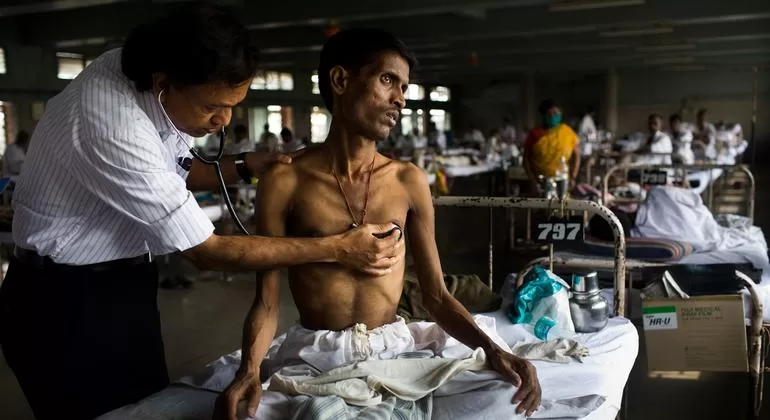
NEW DELHI — A comprehensive global meta-analysis released on July 16, 2026, reveals that the risk of contracting or reactivating tuberculosis (TB) for patients undergoing systemic treatment for chronic skin conditions is far from uniform. The study highlights a critical intersection between advanced dermatology treatments and infectious disease epidemiology, demonstrating that a patient’s actual TB risk depends heavily on the specific class of medication prescribed and the background rate of TB in their geographic region.
These findings carry profound implications for healthcare delivery, particularly within the World Health Organization (WHO) South-East Asia Region, including India, where chronic inflammatory skin diseases and a high community burden of TB frequently overlap. The study emphasizes that standard drug labeling is no longer sufficient; instead, safety protocols must be dynamically adapted to local realities.
Moving Beyond a ‘One-Size-Fits-All’ View of Biologics
Systemic immune-suppressing and immune-modifying therapies have revolutionized the management of severe, debilitating skin conditions like psoriasis, hidradenitis suppurativa, and atopic dermatitis (eczema). However, because these medications work by dampening specific pathways of the immune system, they can inadvertently compromise the body’s ability to keep latent infections in check.
According to the new analysis, biologic therapies draw the most significant scrutiny due to their targeted immune effects. However, the study cautions against viewing all biologics as carries of equal risk.
The research aligns with foundational population-based data showing that patients with immune-mediated diseases who receive biologics exhibit a markedly higher risk of developing active TB compared to the general population. Crucially, among the therapies evaluated, older anti-tumor necrosis factor-alpha (anti-TNF) agents—specifically infliximab—were found to carry the highest propensity for TB reactivation.
The Biological Mechanism: Tumor necrosis factor-alpha (TNF-α) is a vital signaling protein (cytokine) that the human immune system uses to form granulomas—microscopic “walls” that cage in Mycobacterium tuberculosis bacteria, keeping the infection latent and asymptomatic. When anti-TNF drugs dismantle these walls to curb skin inflammation, the trapped bacteria can escape, causing active, infectious disease.
The Geography of Risk: Why Location Matters
The clinical safety profile of an immune-modifying drug cannot be evaluated in a vacuum. The meta-analysis underscores that the exact same medication may present a negligible safety issue in a low-prevalence country but pose a substantial threat in a highly endemic region. This discrepancy is driven entirely by the mathematical probability of exposure.
To contextualize the findings, public health data from the WHO South-East Asia Regional Office shows that the region bears a disproportionate 34% of the global TB incidence. In 2024, the region recorded an incidence rate of 201 cases per 100,000 people, drastically outstripping the global average of 131 per 100,000.
Furthermore, the regional burden is highly fragmented. Settings such as Myanmar and Timor-Leste navigate extremely high transmission rates, whereas countries like Sri Lanka and the Maldives maintain lower incidence rates. A patient utilizing a biologic in a high-transmission community faces an ongoing risk of acquiring a new infection, distinct from the risk of reactivating an old, latent one.
Expert Insights: Precision Prevention
Independent experts emphasize that understanding the granular differences between drug classes is essential for modern clinical practice.
In an independent 2026 commentary published in Clinical Infectious Diseases, experts noted that grouping all biologic therapies into a single category obscures meaningful clinical variations. Newer, highly targeted biologics—such as those inhibiting interleukin-17 (IL-17) or interleukin-23 (IL-23)—interfere less with the body’s specific anti-TB defenses than older anti-TNF agents. This distinction provides dermatologists with safer prescribing pathways for high-risk patients.
Public health professionals also highlight that screening strategies yield the best outcomes when they are rigorously enforced and followed by preventative treatment.
-
High-Burden Settings: A large-scale population cohort study from South Korea tracked patients with immune-mediated diseases starting biologics. The study revealed that patients who screened negative at baseline but did not receive preventive chemoprophylaxis had a significantly higher rate of active TB after starting biologics than those who received preventive therapy. In an environment where background exposure is common, initial negative tests can sometimes miss early latent infections or fail to protect against subsequent re-exposure.
-
Low-Burden Settings: Conversely, a 2025 longitudinal study tracking more than 1,300 patients over twenty years in a specialized, low-prevalence European clinic found that active TB was exceedingly rare but not entirely preventable. Notably, all cases of active TB that occurred after a negative baseline screening emerged within the very first year of biologic therapy, pinpointing a critical window for heightened clinical surveillance.
Balancing Clinical Realities and Study Limitations
While the meta-analysis offers powerful guidance, epidemiologists urge caution regarding its structural limitations. Combining data from multiple global trials introduces significant variables. Different trials utilize varied definitions of active TB, disparate screening modalities (such as the older tuberculin skin test versus newer interferon-gamma release assays), inconsistent drug groupings, and highly variable patient follow-up periods. Consequently, generating an exact, universal risk percentage remains challenging.
Furthermore, a patient’s overall susceptibility to TB is determined by an array of factors beyond dermatology medications. A patient’s age, preexisting lung damage, local transmission dynamics, and comorbidities—such as undernutrition or poorly managed diabetes—all play substantial roles in immune integrity. Public health authorities strongly advocate for a layered defensive approach that combines baseline screening, targeted chemoprophylaxis, routine clinical monitoring, and localized epidemiological judgment.
What This Means for Patients and Providers
For health-conscious consumers and patients currently managing chronic skin conditions with advanced systemic medications, these findings should not cause panic or lead to the abrupt discontinuation of necessary treatment. Instead, the data should prompt proactive, shared clinical decision-making.
Before initiating any advanced systemic or biologic therapy, patients should engage their healthcare providers with the following practical checklist:
-
Geographic and Exposure History: Inform your doctor if you were born in, have lived in, or frequently travel to a TB-endemic region, or if you have a known history of household exposure.
-
Targeted Drug Selection: Inquire whether the prescribed medication belongs to the higher-risk anti-TNF class or a newer, more targeted pathway less associated with TB reactivation.
-
Rigorous Screening: Ensure that appropriate latent TB testing (blood or skin tests) is conducted prior to the first dose.
-
Preventative Protocols: If a screening returns positive for latent TB, discuss initiating a course of preventative antibiotics before or alongside the skin therapy to neutralize the infection risk entirely.
-
Ongoing Monitoring: Establish a routine schedule for monitoring potential respiratory symptoms during the course of treatment, particularly within the first twelve months.
Ultimately, the global data reinforces a clear public health mandate: as advanced, immune-modifying therapies become more widely accessible worldwide, safety planning must look beyond the generic text on the pharmaceutical package insert and adapt directly to the environment in which the patient lives.
References
-
Medscape Medical News. “TB Risk Varies by Systemic Therapy Class, Regional Burden.” Published July 16, 2026.
Medical Disclaimer: This article is for informational purposes only and should not be considered medical advice. Always consult with qualified healthcare professionals before making any health-related decisions or changes to your treatment plan. The information presented here is based on current research and expert opinions, which may evolve as new evidence emerges.